
Protein is an important component in our daily nutrition. They are very necessary for muscles, cells, organs, tissues and bones. In addition, they control important metabolic processes and support the immune system. But too much protein can be harmful to health - especially if you suffer from histamine intolerance. Histamine is a natural product of the breakdown of the amino acid Histidine. Amino acids are the building blocks of protein: Therefore, wherever there is protein, there is also histamine.
Anyone with histamine intolerance must avoid foods with a high histamine content. Histamine is produced during the fermentation process. Therefore, foods such as hard cheese, red wine, beer, vinegar, sauerkraut and soy products must be avoided. Histamine is also produced in fish during storage: A high histamine level in fish indicates spoilage. In addition, there are many foods that are not tolerated well. They include eggs, meat, ham, sausages, mushrooms, tomatoes, wheat, yeast, nuts, spinach, butter, bananas and citrus fruits. About 1 percent of the population is affected; most are women
Histamine levels in fish
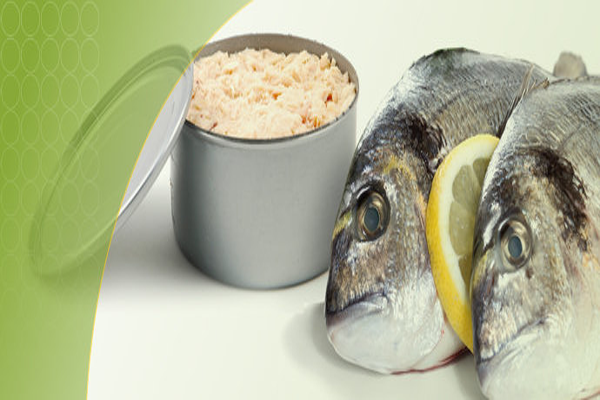
Histamine intolerance is slightly different from the other food intolerances: There are some general guidelines about which foods are allowed or forbidden. Histamine levels can naturally fluctuate strongly. For example, freshly caught fish contains almost no histamine. However, the histamine level increases rapidly during storage. By the time the fish is displayed for sale in the shops, it may contain a very high histamine content. Therefore, the freshness of the product is an important factor. The table below provides a general overview of the histamine levels in different types of fish:
Fish product | Histamine level |
|---|---|
Fresh fish (for example salmon, saithe, red fish, cod, cod, hoki, herring,, zander) | low histamine |
Frozen fish | low histamine |
Fish oil capsules | low histamine |
Canned fish (for example tuna, anchovies, sardines, mackerel, herring, rolled fish) | high in histamine |
Smoked or dried fish (for example smoked salmon, braised fish, salted herring) | high in histamine |
Marinated fish | high in histamine |
Seafood (for example squid, clams) | high in histamine |
Crustaceans (for example shrimp, crab, shrimps) | high in histamine |
Following a low histamine diet is not easy. Histamines are present in many basic foods and in most ready-made meals and restaurant dishes. Anyone who does not want to give up fish and pizza despite histamine intolerance will like these recipes: On Chefkoch.de, we found a pizza with a low histamine content that has no wheat, yeast or tomato, but does have peppers, zucchini and salmon. It is important to note that frozen fish should only be thawed for a few minutes (about 10 minutes in cold water or in your microwave's defrost program). When the fish is thawed for a longer time, histamine is formed. Then rinse the fish clean with water and let it drain. There are two rules for cooking with fish as follows: Do not use lemon juice for seasoning and do not refreeze the fish after thawing.
Histamine detection
Do you want to make sure that your food is safe for people with histamine intolerance? Simply use our rapid test solutions reliable tests to detect histamine!
Please visit the following link to refer to the Histamine test kit:
https://food.r-biopharm.com/products/ridascreen-histamin-enzymatic-2/
PacificLAB is the exclusive distributor of R-Biopharm test kits in Vietnam. We specialize in providing histamine test kits from R-Biopharm, Kikkoman's Histamine rapid test.
For any product information request or quotation request, please contact:
PACIFICLAB SCIENCE AND TECHNOLOGY EQUIPMENT CO., LTD
Head office: No. 28, Road No. 20, Him Lam Industrial Park, Tan Hung Ward, District 7, HCM
Tel: +84 28 62 65 46 83 | Fax: +84 28 62 65 46 93
Web: https://pacificlab.vn/ | Email: sales@pacificlab.vn