
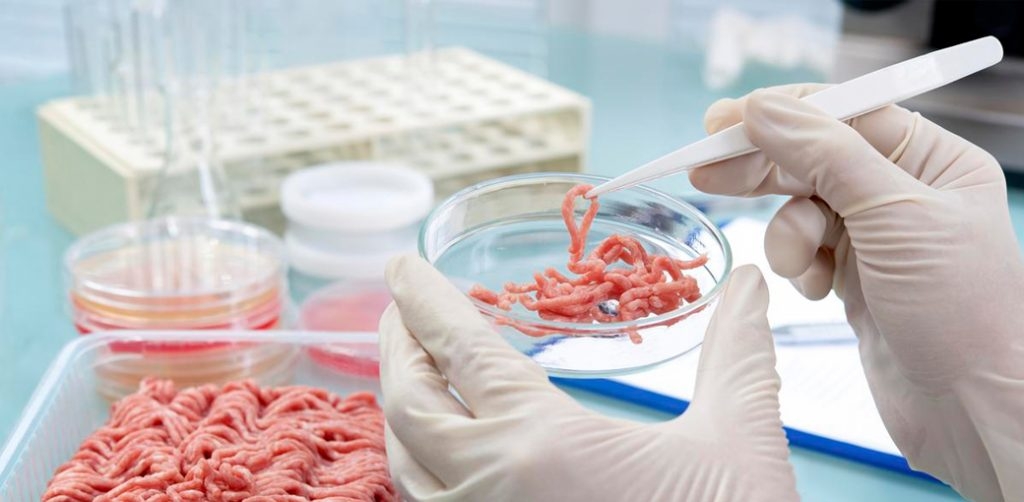
For food testing to be valuable and accurate, the sampling process in food testing must follow strict regulations to ensure the sample represents the batch and is not contaminated or altered during sampling. Below is detailed information about food testing sampling regulations.
1. Purpose of the food testing sampling process
The sampling process aims to inspect the quality and hygiene safety of food, detect violations regarding chemical residues, microorganisms, heavy metals, or prohibited substances in food. In addition, sampling also serves to verify compliance with regulations on product quality claims and relevant technical standards.
2. Food testing sampling process
The food testing sampling process generally follows these basic steps:
2.1. Preparation before sampling
– Identify the sampling subject: The batch that needs to be inspected, the type of food to be sampled.
– Ensure sampling equipment is clean: Sampling equipment must be sterilized and free from any contaminants.
– Wear personal protective equipment: The sampler must wear full protective equipment such as gloves, masks, and hair covers to avoid contaminating the sample.
2.2. Sampling method
– Random: Sample randomly from different locations within the batch to ensure representativeness.
– Systematic: Sample according to a certain method to ensure the entire batch is covered.
– This process can depend on the type of food and the purpose of testing; for example, sampling for microbiological, chemical, or physical testing will have different requirements in quantity and sampling method.
2.3. Sample preservation
After collection, samples must be stored under appropriate conditions, avoiding high temperatures or direct sunlight that could alter the properties of the sample. Samples are usually contained in clean packaging that does not react chemically with the sample.
2.4. Sample transport
Samples need to be transported to the laboratory as quickly as possible to avoid changes in characteristics due to the external environment. If necessary, samples may be kept under refrigerated or frozen conditions to preserve quality.
3. Regulations on sample size and quantity
– Sample quantity: Depending on the scale of the batch and testing requirements, 3-5 representative samples can be taken per batch.
– Sample size: The sample quantity must be sufficient to carry out all necessary tests. Typically, a food sample needs from 100g to 500g, depending on the specific testing requirements.
4. Standards and related regulations
In Vietnam, food testing sampling is regulated by many legal documents such as:
– Circular 14/2011/TT-BYT of the Ministry of Health regulating food sampling for testing.
– Vietnamese standards (TCVN) and national technical regulations on sampling.
These regulations ensure that sampling must follow certain technical standards to ensure the representativeness, accuracy, and objectivity of testing results.
5. Requirements for samplers
– Expertise: The sampler must have sufficient professional qualifications to identify and sample correctly, in order to avoid damaging or distorting the results.
– Independence: The sampler must be independent from the sample supplier and the testing party to ensure objectivity.
– Sample retention: After testing, samples must be retained for a certain period as regulated, in case re-examination is needed.
6. Factors affecting the food testing sampling process
– Sampling time: Sample at appropriate times to avoid the influence of environmental factors such as temperature, humidity, or light.
– Sampling equipment: Equipment that does not meet standards may cause contamination and alter the sample.
– Sampling environment: Ensure the sampling environment is clean, away from pollution sources such as dirt and chemicals.
7. Consequences of not complying with sampling regulations
Failure to comply with sampling regulations can lead to serious consequences such as:
– Inaccurate testing results: Leading to mistakes in assessing food quality.
– Food safety not guaranteed: Food that does not meet safety standards may still circulate.
– Economic losses: Businesses may be fined or have products recalled if testing does not meet requirements.
The process and regulations for food testing sampling are an important step in protecting community health. To ensure effectiveness, samplers must strictly follow technical regulations, ensuring the objectivity and accuracy of the sample before testing. Correct compliance will help improve food safety control quality and protect consumer health.