1. Why food must be tested for microorganisms
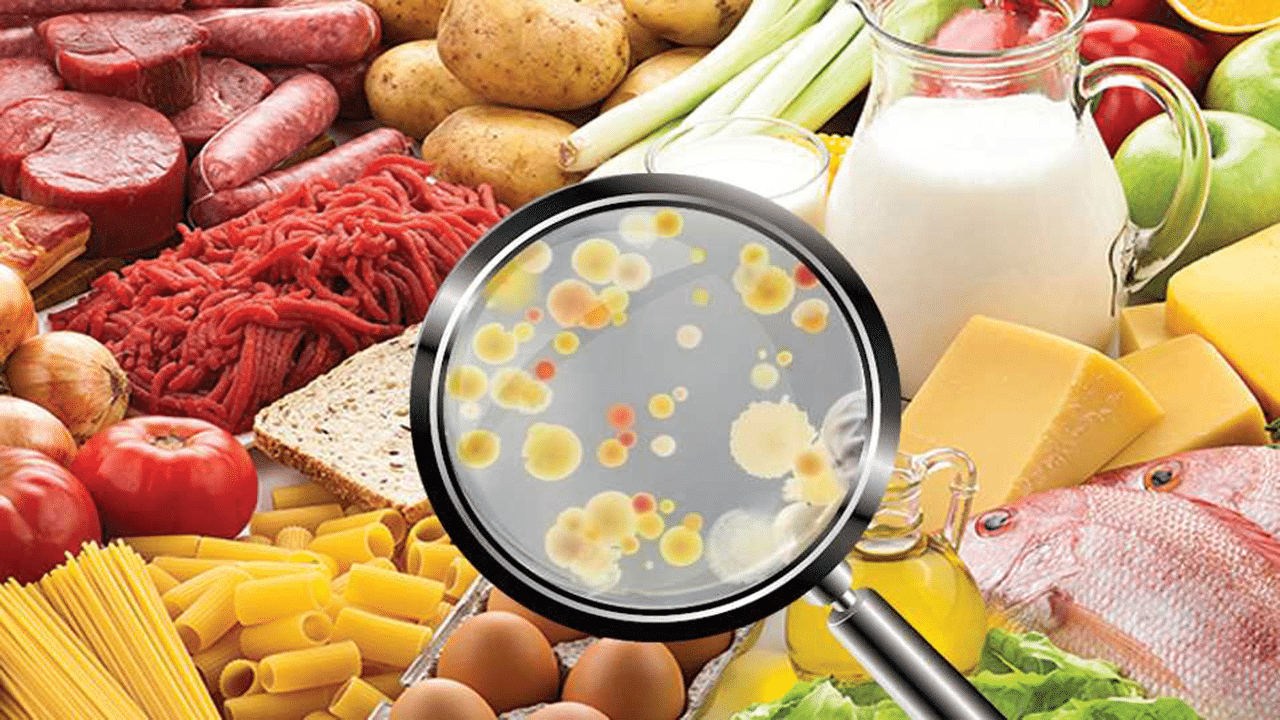
- Microbiologically contaminated food can affect product quality and spoil products; contaminated food can cause food poisoning. Therefore, to ensure food hygiene and safety, microbiological testing must be carried out to control the microbial content in food, detect foodborne pathogens and spoilage microorganisms, assess safety, control food contamination, prevent food poisoning, avoid foodborne diseases, and at the same time assess the hygiene condition of the test sample.
- Microbiological testing is an unavoidable task not only for the product but also for the process of producing, processing, and packaging the product. Controlling microorganisms from incoming raw materials, during production, and in the finished product can help a business reduce the risk of product spoilage due to microbial contamination, save production costs, raise product quality, and strengthen the product's competitive value in the market.
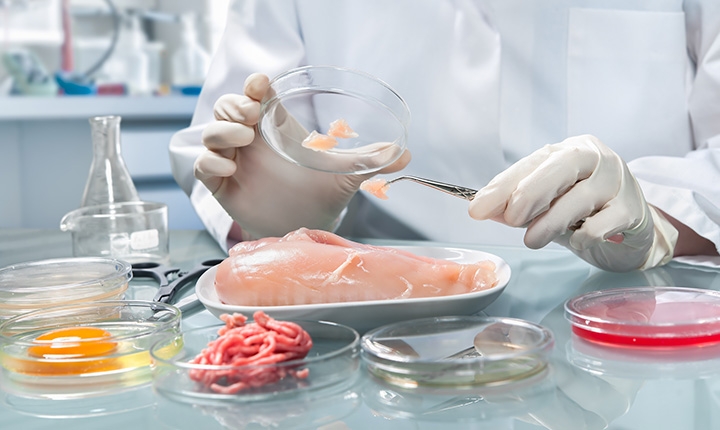
– We are highlighting the importance of product validation in the field of food microbiological testing in this second issue of the article series "The CompactDry medium plate | Food microbiological testing made easier | P1". Validation is the comparison of an alternative method with a known and accepted reference method.
– Validation proves that a new alternative method produces results comparable to the traditional method. In fact, under ISO 17025, the laboratory must use a validated method; or validate it itself. Using a validated method therefore saves you significant time and money.
- The food industry demands strict safety standards, from raw materials to finished products. Many tests for microbial contamination, environmental contamination, and the preparation surface must be carried out during production.
- Cleaning, food contamination testing, and quality control are the central components at every step of the food and beverage production process: preparation, processing, storage, and at the point of sale to consumers. Continuous hygiene monitoring and testing of food and drinks are essential to help ensure quality and food safety from the food producer to the consumer.
2. The international certifications of the Compact Dry medium plate
- CompactDry is a ready-to-use color-forming medium plate that can be used as a direct replacement for the traditional plate-pouring method. It removes the laborious work of preparing and sterilizing media, requiring only the minimum of laboratory equipment.
- CompactDry requires minimal training. This CompactDry medium plate is available for 15 groups of microorganisms, covering both spoilage organisms and pathogens. Compared with other similar technologies, CompactDry is the only product with tests available for Enterococcus, Pseudomonas aeruginosa, and Vibrio parahaemolyticus.
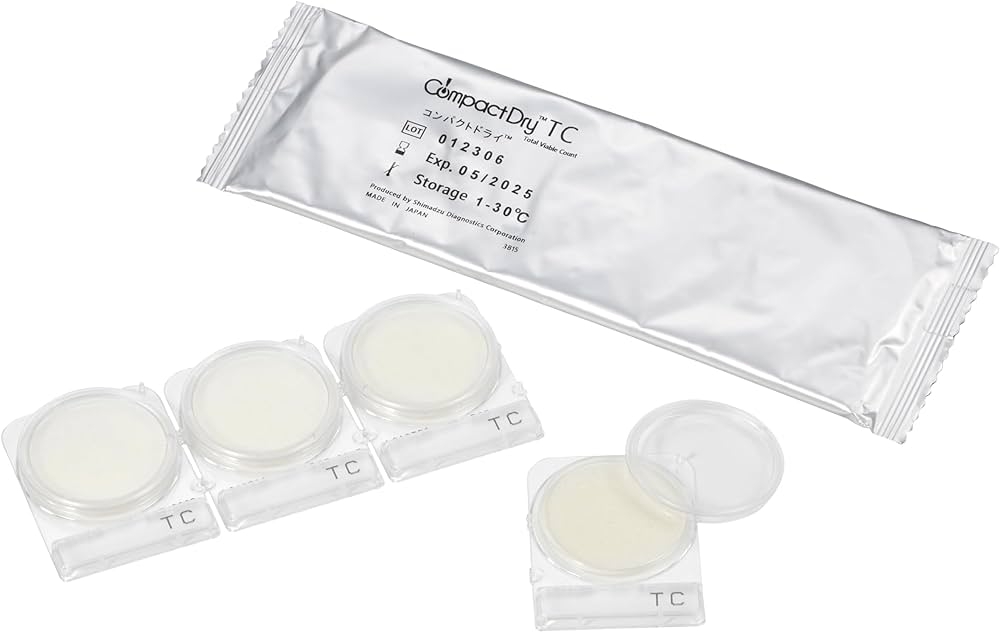
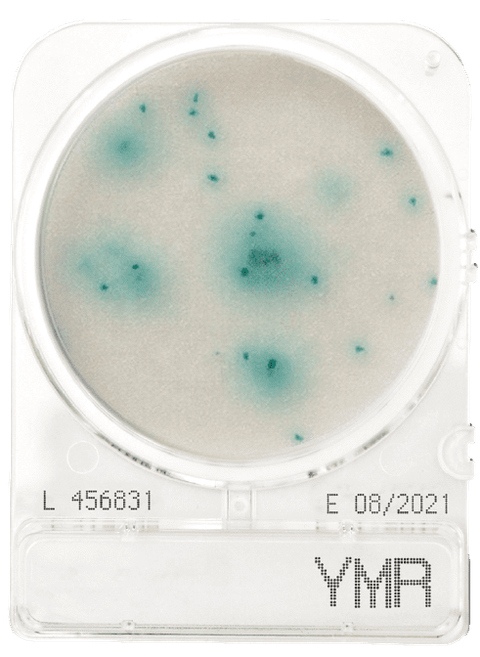
- It also shortens the testing time for Total Viable Count (CompactDry TCR) and Yeast / Mold (CompactDry YMR), with incubation times of just 24 and 72 hours respectively. The ongoing development of our products underscores the commitment of Shimadzu Diagnostics Corporation to continuous innovation to supply the best solutions for microbiological testing in the food and beverage industry.
- Several validation programs are in use globally. In North America, the AOAC Official Methods of Analysis (OMA); and the AOAC Research Institute Performance Tested Method (AOAC-RI PTM) are the most frequently used. In Europe, ISO/TS 16140:2002 is used and is applied by organizations such as AFNOR, NordVal, and MicroVal.

- Most Compact Dry medium plate products for food microbiological testing have been validated by the MicroVal, NordVal, and AOAC-RI organizations:
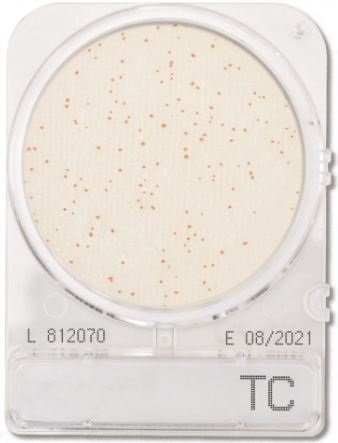
- Total aerobic bacteria TC
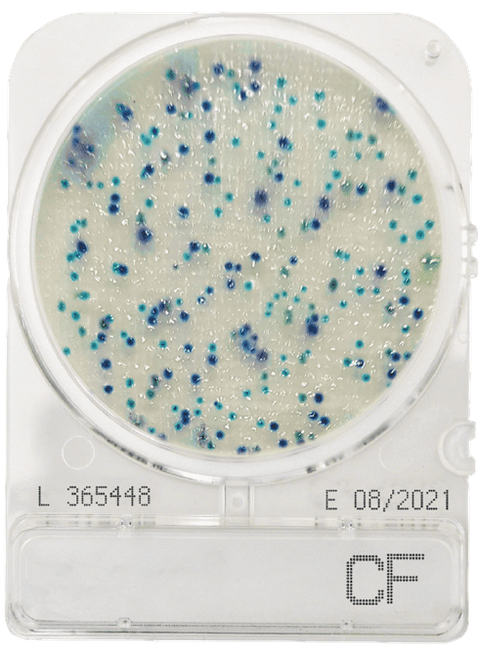
- Coliform bacteria CF
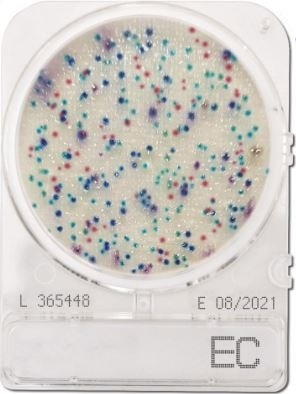
- E. coli and coliforms EC
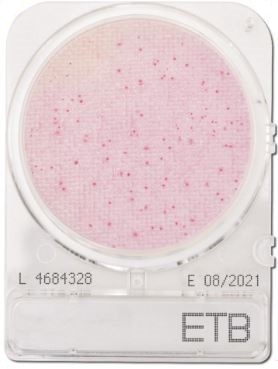
- Enterobacteriaceae ETB
- Yeast and Mold Repid YMR
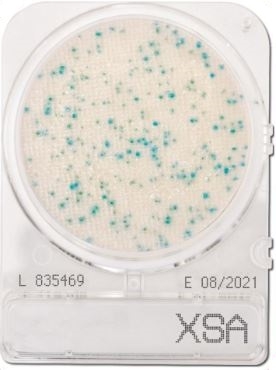
- Staphylococcus aureus X-SA
- Bacillus cereus BC
3. The Compact Dry BC plate — Bacillus Cereus
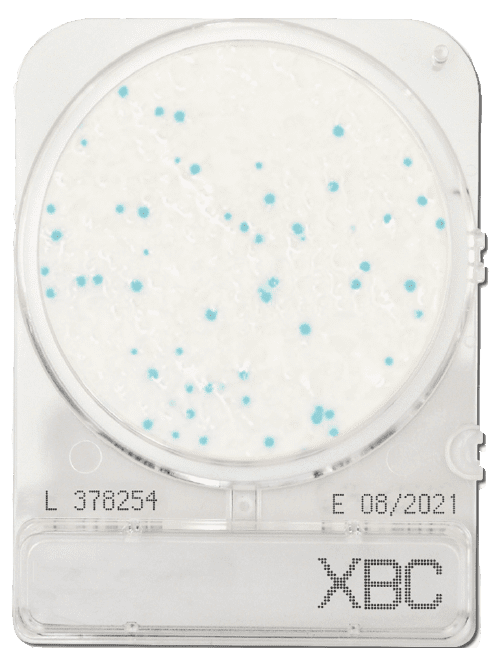
– The latest addition to the list of products already used in food microbiological testing, this fully validated product is the Compact Dry BC plate for quantifying Bacillus cereus. A poster will be presented at the AOAC Annual Meeting in Boca Raton at the end of 2022.
– The Bacillus cereus microorganism can cause food poisoning in products such as rice, milk, and milk powder. The B. cereus toxin causes nausea, vomiting, and diarrhea. Because the microorganism can form endospores, food products that are heated incorrectly can be the cause of food poisoning from the B. cereus .
– For example, fried-rice dishes stored for long periods at too low a temperature (for example in a buffet meal) are known to carry the risk of Bacillus cereus toxin production. Therefore, tracking the initial count of B. cereus organisms in specific products to minimize the risk of toxin production is an important quality control parameter.
– The Compact Dry BC is a validated method for quantifying Bacillus Cereus; making food microbiological testing easier for you!
Pacific Company is the exclusive distributor of Shimadzu Nissui's compact dry plate products for the Food & Feed segment in Vietnam. Please see the company's products at:
https://pacificlab.vn/vi/shops/group/dia-moi-truong-chuan-bi-san/