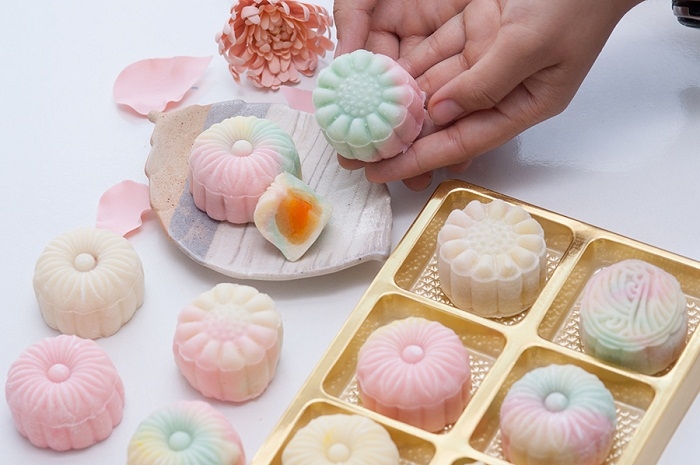
What are the quality testing criteria for mooncakes?
1. The microorganisms you cannot see behind the crust
Preparing a mooncake requires many kinds of food ingredients: crust from various grain flours, colorants, additives. Fillings from plants (pumpkin jam, watermelon seeds, Chinese sausage, lotus seeds), fresh meat and meat products (lạp xưởng sausage, jambo, roast chicken, dried fish}, alongside various spices, food additives (milk, eggs, pomelo flower essence, sugar syrup, dyes... preservatives, anti-mold agents), packaging materials for the cakes, etc. Every ingredient carries a risk of pathogenic microbial contamination. Poor control of hygiene during processing and of the input ingredients leads to contamination with bacteria that can cause acute, chronic food poisoning, foodborne infectious diseases, and more.
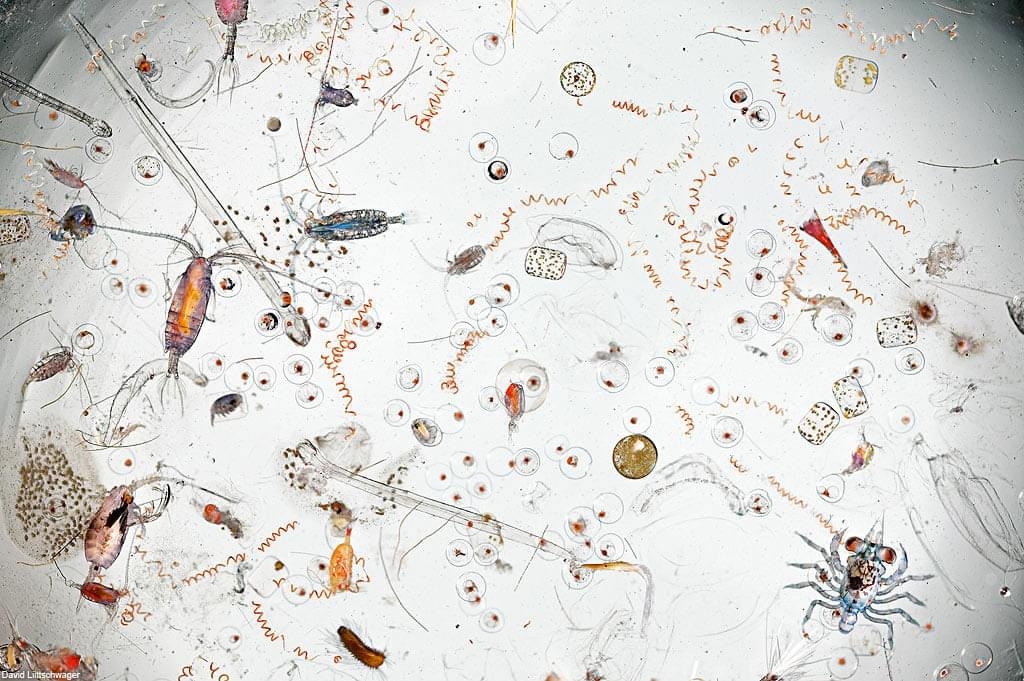
Many microorganisms hide behind the mooncake crust without you knowing. The common microbial indicators needing testing in mooncakes include:
- • Total aerobic microorganisms at 30°C (*)
- • Coliforms (*)
- • Escherichia coli (*)
- • Staphylococcus aureus (*)
- • Clostridium perfringens (*)
- • Bacillus cereus (*)
- • Total yeasts and molds
2. What quality parameters should be tested in mooncakes?
When visiting the markets selling mooncake ingredients you can easily find materials stored in plastic bags, marked by the vendor with a small piece of paper, or pasted with a small printed label giving the ingredient name and price. Fabric for making baked pie crusts is only 30,000 VND/kg, other ingredients are sold quite cheaply too: Chinese sausage 80,000–100,000 VND/kg, pumpkin jam 35,000 VND/kg,… (at Đồng Xuân market). These informal, unbranded ingredients are contributing to the making of "dirty mooncakes" without users knowing anything.
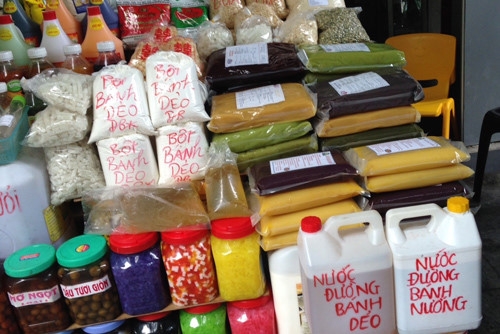
Poor-quality mooncake ingredients are sold everywherePer Decree 15/2018/NĐ-CP, mooncakes belong to the self-declared food product group. Therefore, before putting mooncakes on the market, confectionery manufacturers must carry out the prescribed testing parameters to determine the food hygiene and safety indices. But then, have ingredients without specific labels like those above been tested for food hygiene and safety before being split up for sale? And what parameters did the manufacturer check in them before declaration? The parameters to be tested for mooncakes:
• Cadmium (Cd)
• Lead (Pb)
• Total aerobic microorganisms at 30°C
• Coliforms
• Escherichia coli
• Staphylococcus aureus
• Clostridium perfringens
• Bacillus cereus
• Total yeasts and molds
• Aflatoxin B+G
• Ochratoxin A
• Deoxynivalenol (DON)
• Zearalenone
• Aflatoxin M1 – if the cake contains milk
• Melamine – if the cake contains milk. Because the mooncake composition contains many starches from different grains, the Mycotoxin group of parameters is extremely important in mooncake quality testing
.
3. The quality regulations for mooncakes The mooncake testing criteria will be based on the legal basis of the following regulations and standards:• Decision 46/2007/QĐ-BYT – Stipulating the maximum limits of biological and chemical contamination in food.
• QCVN 8-2:2011/BYT – National technical regulation on heavy metal contamination limits in food.
• QCVN 8-1:2011/BYT – National technical regulation on mold toxin contamination limits in food.
• QCVN 8-3:2012/BYT – National technical regulation on microbial contamination in food.
• T53 TCV 116-86 – Local standard for confectionery.Packaging and label samples of mooncakes must also comply with Decree 43/2017/NĐ-CP.The packaging must carry:• Goods name
• Name and address of the manufacturing establishment.
• Goods origin: imported or domestically produced
• Product information: production date, expiry date, ingredients, warning information, instructions for use, storage instructions.The variety of mooncakes from traditional to jelly cakes, floating-flower cakes, etc., has added more choices for consumers today. However, to ensure safety for yourself and your family, consumers should choose reputable cake brands with clear origins, or prepare the ingredients themselves rather than buying cakes or cake-making kits of unknown origin on the market.
We hope this knowledge helps you understand more about the quality of the mooncake you intend to buy. We also hope that manufacturers study the quality standards applicable to their products and follow them well.
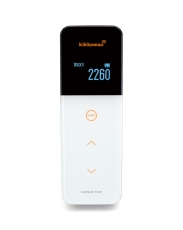
Accompanying mooncake processing businesses, Pacificlab supplies rapid microbial testing solutions, mold toxin testing, and surface hygiene control solutions (ATP meters) for processing facilities, helping you get a standard-compliant product.
Wishing you a peaceful Mid-Autumn festival reunion with your family.