
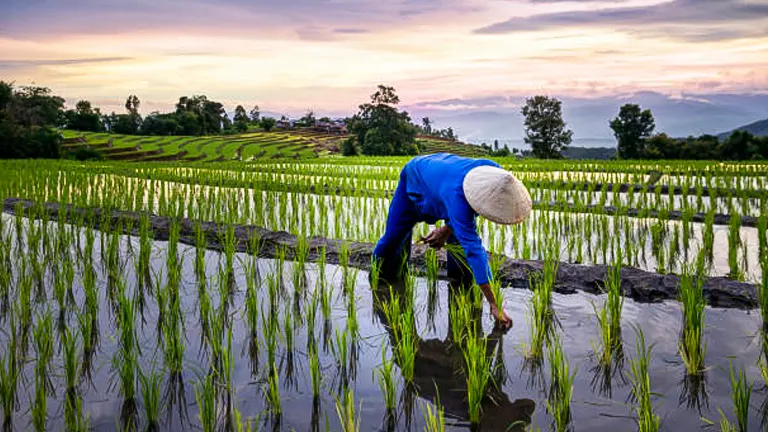
Production
- Rice is classified as a cereal and is the grain of the grass Oryza sativa. The rice plant needs a large amount of water, especially during the main growing days, followed by prolonged dry, hot weather. This can be quite challenging for farmers, who need to find ways to flood and then drain the fields at the critical times.
- For this reason, rice, unlike other cereal crops, cannot grow on rough terrain. After harvesting and milling, the rice is ready to be packaged or consumed.
Mycotoxins
- Mycotoxins, including aflatoxin, ochratoxin A and fumonisin, are toxic compounds produced by various molds such as Aspergillus and Fusarium .
- These mycotoxins naturally contaminate food and feed, posing significant risks to the health of both animals and humans. Of these, aflatoxin (AFT) is particularly infamous for its highly carcinogenic properties. They are associated with a range of health problems, including stunting, growth retardation and severe liver damage, potentially leading to liver cancer.
Aflatoxin in rice
- Rice is an important staple food consumed worldwide, but it is susceptible to aflatoxin contamination. A study from 2019 investigated the occurrence of AFT in rice worldwide from 1990 to 2015 and reported high levels of AFT, especially in the tropical and subtropical regions of the world, where the climatic conditions are favorable for mold growth.
- It is therefore important to implement effective strategies to prevent mold growth and subsequent mycotoxin contamination. In addition, Commission Regulation (EU) No 915/2023 states that the maximum level of total AFT permitted in food is 10 μg/kg, while for B1 (the most toxic AFT), the maximum permitted level is 5 μg/kg. Such criteria, together with the high prevalence of AFT in food, show that regular monitoring is necessary.
What R-Biopharm can offer
- Given the global importance of rice as a staple food, addressing aflatoxin contamination is essential to ensure food safety and public health. R-Biopharm Rhône offers a wide range of analytical solutions tailored to the accurate analysis of AFT. Our immunoaffinity clean-up methods ensure high specificity by isolating and concentrating the mycotoxins of interest from the sample.
- These products exceed the standard of the Official Method and have undergone rigorous validation in several CEN and AOAC collaborative trials, and are widely referenced in scientific publications. For more information on testing aflatoxin in rice,
👉 Read the article Which test method to choose for mycotoxin analysis?
Source: food.r-biopharm.com