
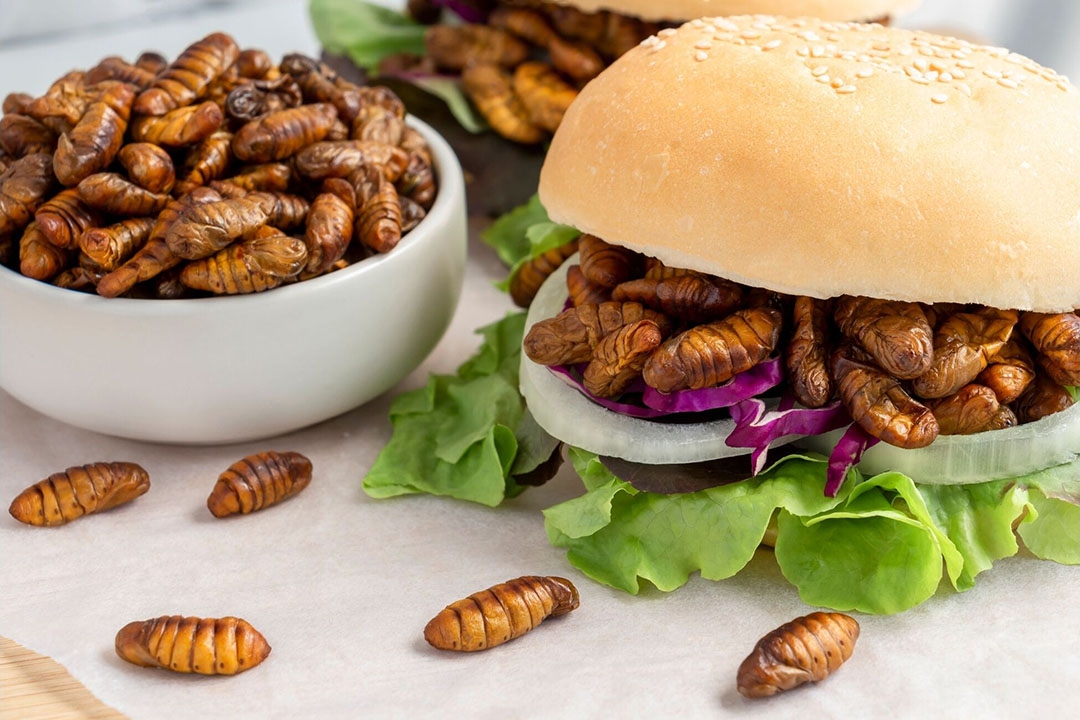
1. Why edible insects?
- With the global population expectedto reach 9 billion by 2050, demand for protein is soaring. Traditional livestock farming requires a lot of resources, contributing to deforestation, greenhouse gas emissions and water pollution. By contrast, insects require significantly fewer resources to produce the same amount of protein, making them a more sustainable choice.
- Edible insects are packed with essential nutrients such as protein, healthy fats, vitamins and minerals. For example, crickets are rich in protein, iron and calcium, while mealworms are rich in omega-3 fatty acids and vitamin B. Incorporating insects into our diet can help address malnutrition and food insecurity, especially in areas where access to traditional protein sources is still limited.
- From cricket flour to insect snacks and protein bars, more and more creative products are appearing on the market. Edible insects can be combined into many dishes, offering distinctive flavors and textures that appeal both to the adventurous and to the food enthusiast.
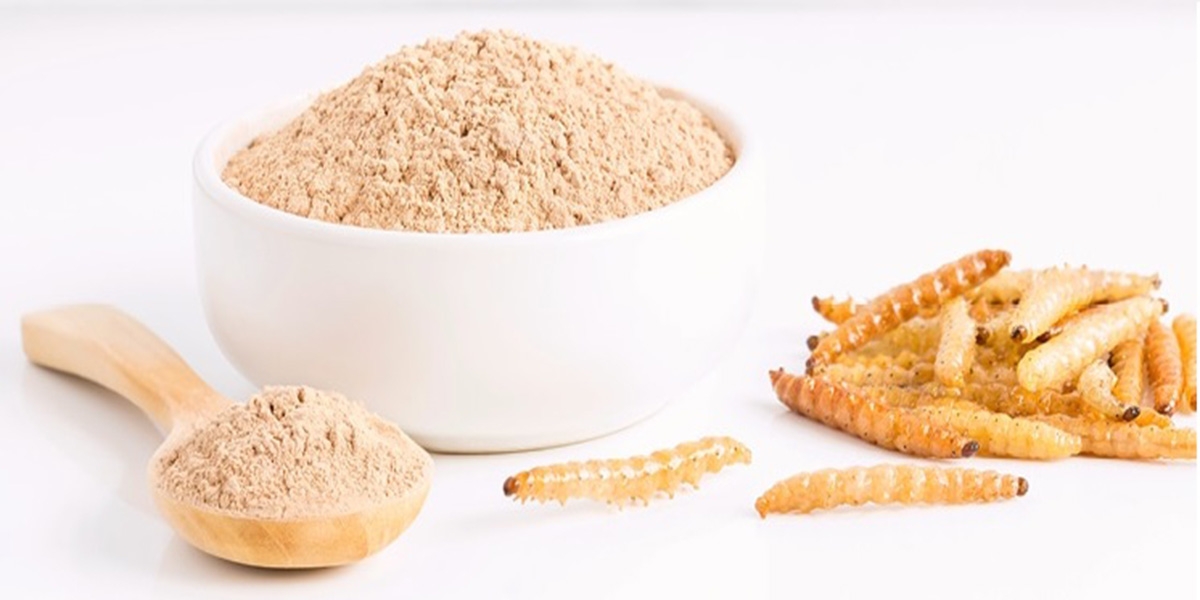
2. Where are edible insects being used widely?
- While edible insects have been a staple food in the diets of many cultures for centuries, their popularity is now spreading beyond traditional markets
- Regions such as North America, Europe and Australia are witnessingincreasing interest, driven by growing awareness of the environmental and nutritional benefits of insect foods. Startups and food companies are leading the way, experimenting with insect ingredients and creating new culinary experiences for consumers.
3. Regulatory considerations and challenges
- Although insects have potential as food, regulatory barriers still need to be addressed. In many countries, insects are still not recognized as a food source, leading to uncertainty about safety standards, labeling requirements and consumer acceptance.
- However, progress is being made, with organizations such as the Food and Agriculture Organization (FAO) and the European Union paving the way for clearer regulations and guidance.
4. Mycotoxins and vitamins
- Although edible insects have many benefits, it is necessary to recognize that they can also be easily contaminated with mycotoxins. Mycotoxins are harmful compounds produced by fungi and can pose a serious health risk if consumed in large quantities.
- It is therefore important that food and feed manufacturers implement strict testing protocols to ensure the safety of insect-based products. By addressing mycotoxin contamination, we can ensure the integrity and quality of insect-based foods, protecting consumer health and confidence in this emerging industry.
- In addition, it has been found that edible insects contain high levels of vitamins such as B12, which are often lacking in plant-based diets. Incorporating insects into our food system can help address micronutrient deficiencies and promote overall health and well-being.
- Edible insects are not only a sustainable food solution, but also open up a path of economic development and environmental protection. With innovation in processing technology and changing consumer awareness, the future of insect-based food is highly promising within the global food system.
In summary, the rise of edible insects is a highly promising solution to the dual challenges of food security and environmental sustainability. By treating insects as a nutritious, environmentally friendly source of protein, we can pave the way for a more sustainable and equitable food system for future generations. So, are you ready to try yet?
Source: food.r-biopharm.com