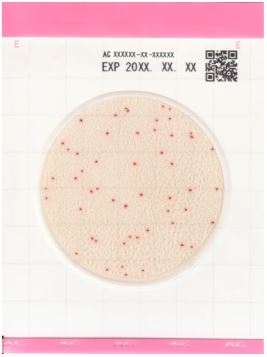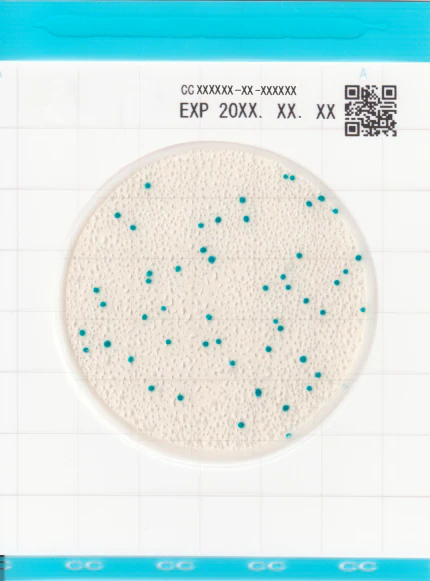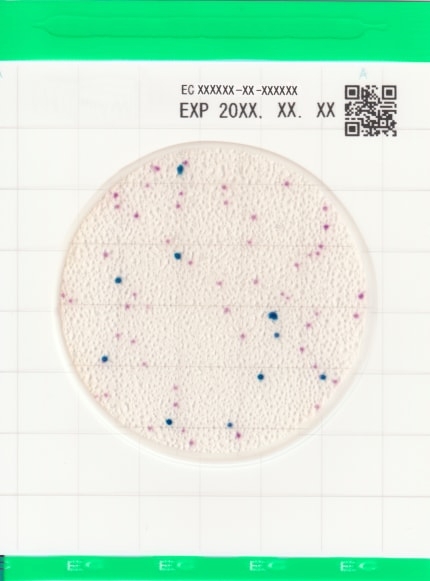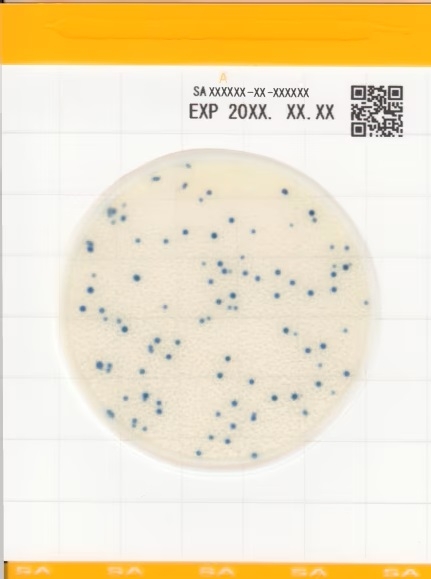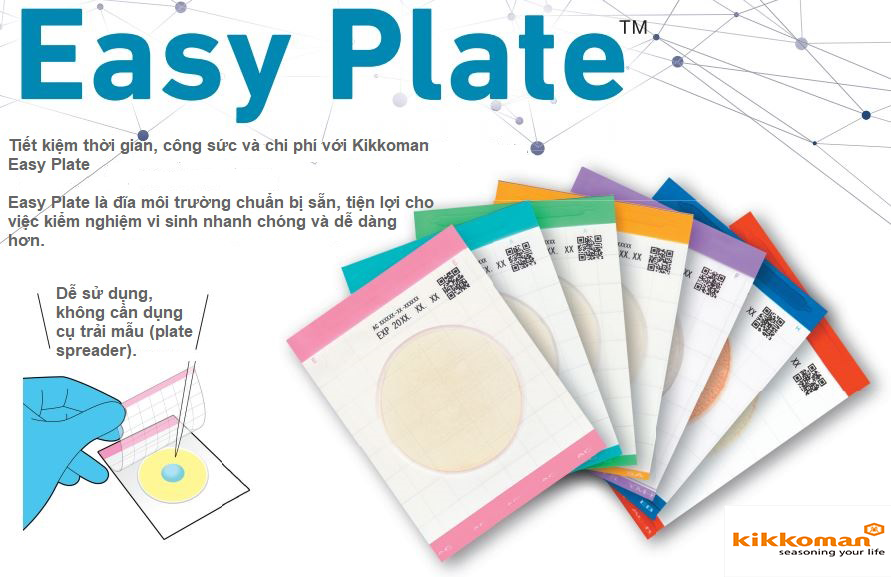
Easy Plate combines the high sensitivity of traditional culture media with the convenience of ready-poured plates — reducing handling, reducing errors and increasing testing throughput.
1. Principle of Easy Plate ready-poured freeze-dried agar plates
- Easy Plate is a petri dish containing culture medium that has been prepared, sterilized and poured in a freeze-dried or semi-dry form, and is hermetically packaged. Easy Plate is a convenient pre-prepared culture plate that makes microbiological testing faster and easier. It uses a culture medium method that has been proven over time and validated by AOAC, MicroVal and NordVal,
- When in use, the tester can add buffer solution or sample water (depending on the type) or streak the sample directly onto the surface after opening the lid.
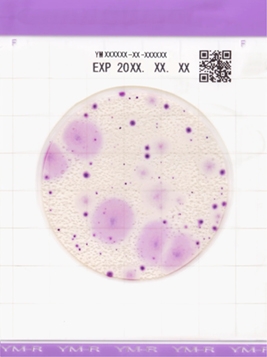
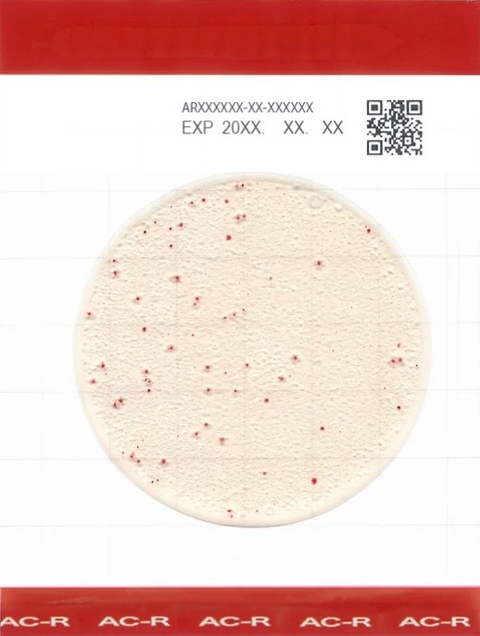
- Bacteria/fungi in the sample will grow on the specific medium; target strains for specific indicators (a color change, appearance of characteristically shaped colonies, or fluorescence) allow identification and quantification.
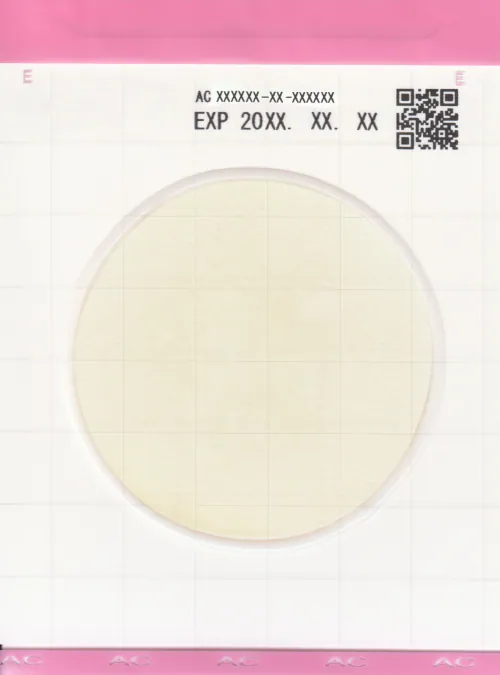
- Each Easy Plate is specifically designed for one particular target organism (or group) and includes options for Aerobic Bacteria (AC), Coliforms (CC), E. coli /Coliforms (EC), Staphylococcus aureus (SA), Yeast and Mold (YM-R) and Enterobacteriaceae (EB) plus a Rapid type for Aerobic Bacteria (AC-R).
* Key factors
- A specific medium (selective and/or differential) optimized for the target group of microorganisms.
- High stability thanks to the freeze-drying/freeze process and protective packaging.
- Easy to handle: no need to weigh, dissolve media or pour plates in the laboratory.
2. Easy Plate plate targets
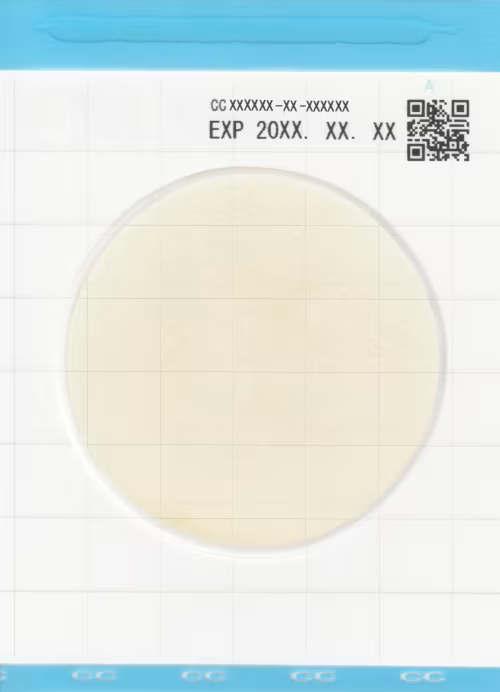
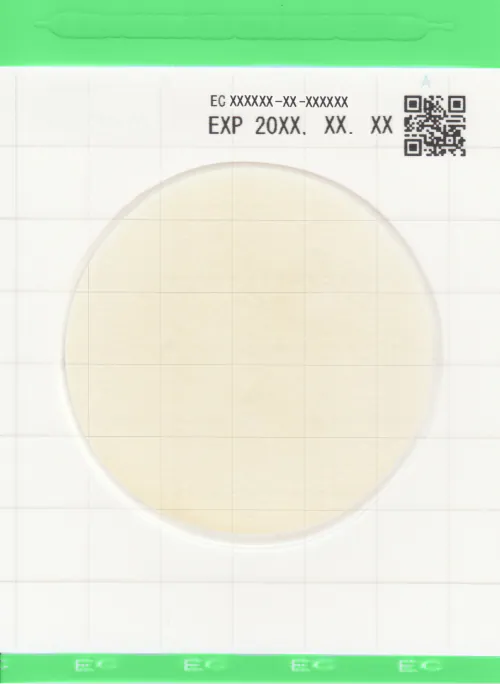
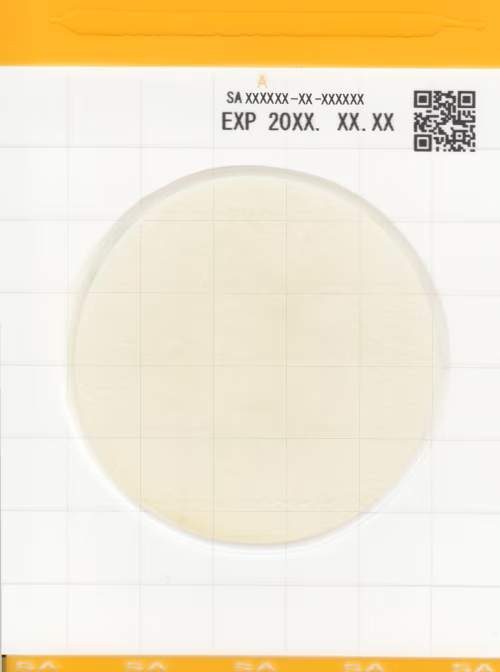
Staphylococcus aureus
Easy Plate SA
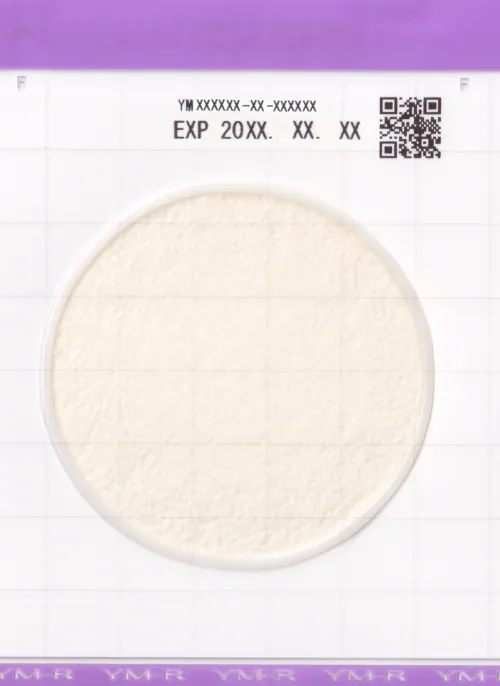
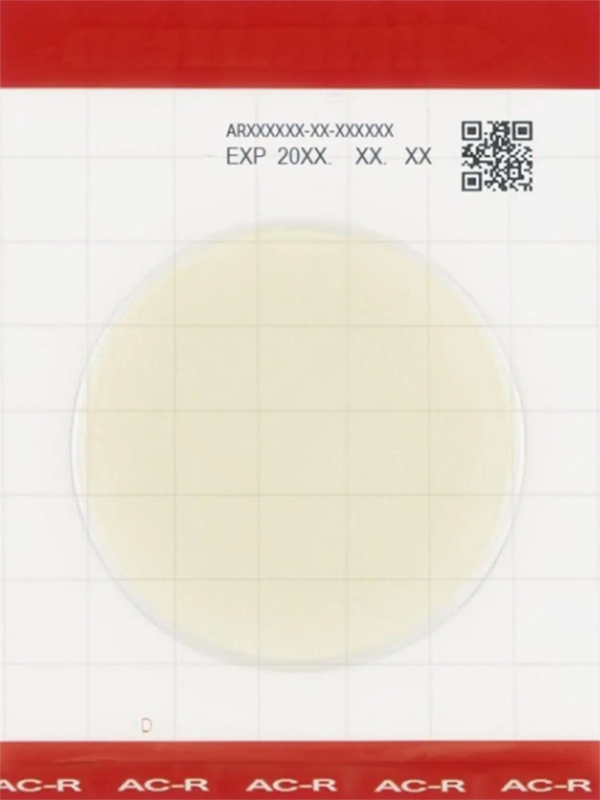
Rapid aerobic bacteria
Easy Plate AC-R
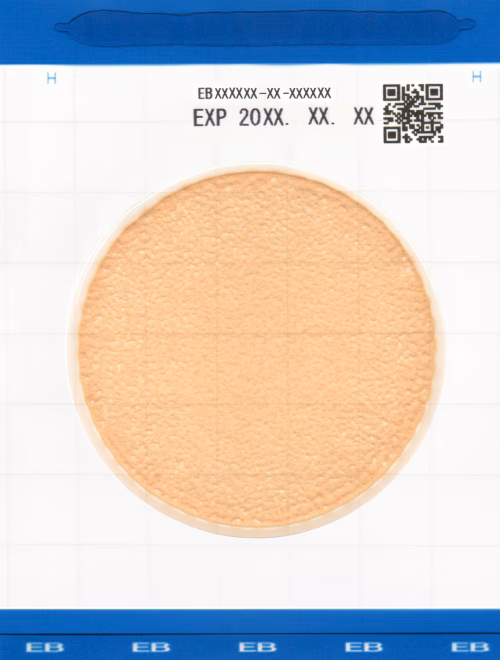
Enterobacteriaceae
Easy Plate EB
3. Outstanding advantages of Easy Plate ready-poured freeze-dried agar plates
- Saves time & effort: no media preparation, no dissolving or pouring steps.
- Greater accuracy, fewer errors: standard formulation, manufacturer quality control, fewer handling mistakes in the laboratory.
- Uniform, repeatable consumption: every plate contains the same amount of medium, ensuring consistency across tests.
- Easy storage and keeping: hermetically packaged, can be stored at the specified temperature (usually 2–8 °C or per the manufacturer's instructions).
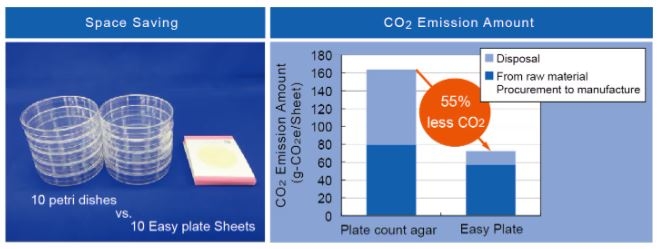
- The stackable design of Easy Plate significantly reduces the operating space required.
- Easy Plate AC, CC, EC, SA and YM-R are certified by AOAC RI PTM, MicroVal and NordVal.
- Compatible with many inoculation methods: direct inoculation, membrane filtration, or use of an automatic plating device.
- ISO-friendly: ready-poured plates bring convenience to standard-based quality control processes.
- Less chemical & equipment consumption: fewer single-use materials for preparing media.
- Less incubation space and waste: only 1/20 of the volume compared to petri dishes, increasing incubation capacity. Storage space, incubation space and waste are all reduced. Greenhouse gas (GHG) emissions are also reduced compared to traditional agar plates.
4. How to use Easy Plates — step-by-step instructions
* Preparation before work
- Wear gloves, laboratory coat and personal protective equipment.
- Clean/disinfect work surfaces; prepare sample records.
- Take plates out of the refrigerator (if refrigerated storage) and let them reach room temperature for the recommended time (usually ~15–30 minutes) if the instructions require it.
* Step 1 — Sample preparation
- Prepare the sample according to the testing standard (dilute the sample, take aliquots, homogenizer processing...), using a suitable buffer medium (for example peptone water, BPW...).
- If needed, prepare a decimal dilution series to reach the desired detection limit.
* Step 2 — Unpack & handle plates
- Open the plate packaging immediately before use; avoid leaving plates exposed to air for long.
* Step 3 — Inoculate samples
- Quantitative inoculation: pipette a standard amount of sample (for example 0.1 ml) onto the plate surface and use a spreader to spread evenly. Or perform the membrane filtration method if required.
- If using the spread-plating method: spread the sample evenly over the entire surface for well-dispersed colonies.
* Step 4 — Incubate plates
- Incubate plates in an incubator at the temperature and duration specified in the medium instructions (for example 35–37 °C for 24–48 hours for aerobic bacteria; or 22–25 °C for yeast/mold for 3–5 days).
- Record the incubation conditions clearly on the plate label/record.
* Step 5 — Reading and reporting results
- Count colonies with identifying characteristics; record the colony count (CFU/plate) and convert according to the dilution for reporting (CFU/g or CFU/ml).
- For differential/indicator media: read the distinguishing colors/characteristics to identify the target group/strains.
- If an important positive result is suspected, carry out an additional confirmation step according to the SOP (enrichment, biochemical, PCR or sending to a reference laboratory).
* Step 6 — Cleaning & waste handling
- Dispose of used plates in accordance with biosafety regulations (autoclave or chemical decontamination).
- Clean the work surfaces, and report the results.
* Note: always follow the specific instructions for use (IFU) included with each Kikkoman product lot and your workplace's laboratory safety regulations.
5. Applications of Easy Plate in testing
- Quality control of raw materials and finished products: check total bacterial count, coliforms and molds before accepting a batch.
- Production process testing: monitor the effectiveness of cleaning of surfaces, equipment, workers' hands and air.
- Water used in production testing: detect indicator microorganisms in water, washing water and packaging water.
- Food & beverage testing laboratories: check outgoing batches, on-site checks
- Product research & development: survey the microbiological stability of new formulations.
- Safe handling of sensitive products: dairy processing, instant foods, beverages and packaged foods.
6. Deployment advice for businesses
- Establish clear SOPs when switching to ready-poured plates to ensure consistent data.
- Train staff on the specific handling of unpacking, inoculating, incubating and reading colonies.
- Combine Easy Plate plates with confirmation methods (PCR, biochemical) for reliable results on key targets.
- Record storage conditions and production date/lot for traceability when needed.
👉 See Colony counting system for Kikkoman Easy Plate
Easy Plate (Kikkoman) Easy Plate (Kikkoman) plates are a practical, economical and easy-to-adopt solution for microbiological testing laboratories across many industries. PacificLAB is the official distributor of Kikkoman Easy Plate products in Vietnam. Please contact us to receive a quotation and detailed support information about this product.