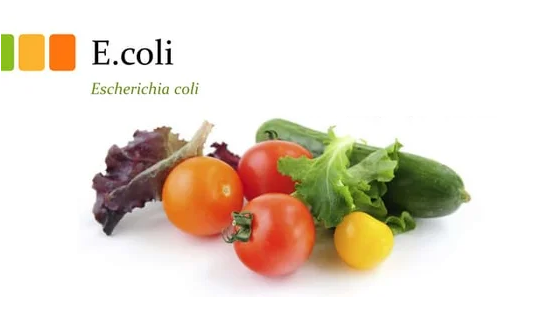
1. What is E.coli and why it needs to be controlled in food
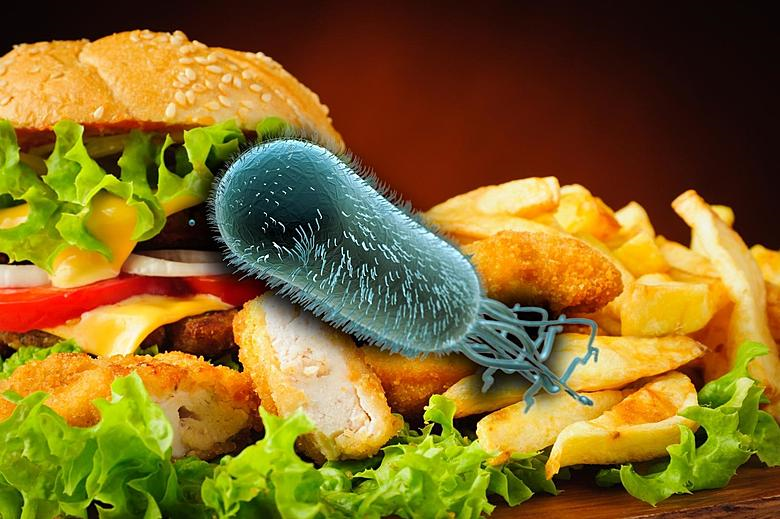
- Escherichia coli (E.coli) is a bacterium that lives in the intestines of humans and animals. Although most E.coli strains are harmless, some strains, such as E.coli O157:H7, can cause serious intestinal illness such as diarrhoea, haemorrhagic colitis, and in severe cases can cause haemolytic uraemic syndrome (HUS).
- The presence of E.coli in food often indicates that the food has been contaminated with faeces – this reflects a lack of hygiene assurance during the production, processing or storage of food.
2. E.coli standards in food under Vietnamese and international regulations
2.1. Vietnamese standards (QCVN and TCVN)
The Vietnamese Ministry of Health has issued many technical regulations and national standards to control E.coli in different food groups. Some representative examples:
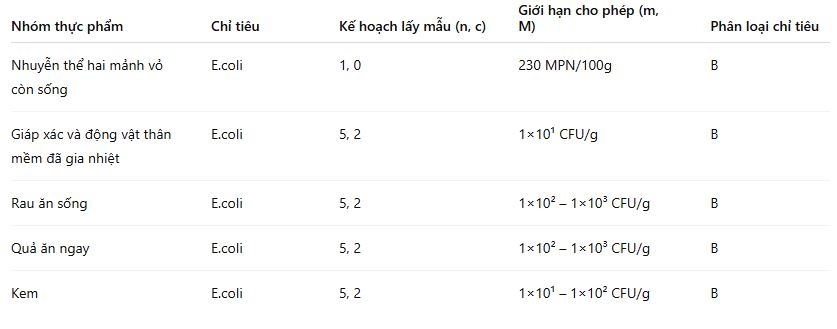
- QCVN 8-3:2012/BYT: Regulates microbiological limits in food. For many food types such as meat, seafood, processed vegetables, bottled drinking water... the E.coli limit is usually < 10 or not detected in 1g or 1ml of food depending on the group.
* Explanation:
- n: The number of samples to be taken for testing.
- c: The number of samples allowed to exceed the limit m but not to exceed M.
- m: The acceptable microbiological limit.
- M: The unacceptable microbiological limit.
* Classification of indicators:
- A: Food safety indicator – must not exceed m.
- B: Hygiene indicator – allows some samples to exceed m but not to exceed M.
- TCVN 7924-2:2008: Guidelines for the detection and quantification of E.coli in food by the MPN (Most Probable Number) method.
2.2. International standards
- Codex Alimentarius (FAO/WHO): Sets limits for indicator organisms, including E.coli, with specific limits for each type of food.
- EU Regulation (EC) No 2073/2005: Applies strict E.coli standards to products such as raw meat, unpasteurised milk, drinking water and ready-to-eat foods. For example: for live seafood (such as mussels and oysters), the limit is < 230 MPN/100g.
3. Methods for testing E.coli in food
To assess the level of E.coli contamination in food, the methods used to test E.coli in food include:
- Traditional culture method: uses selective media such as MacConkey, EMB, Chromocult agar.
- MPN (Most Probable Number) quantification method: determines the bacterial density in the sample statistically.
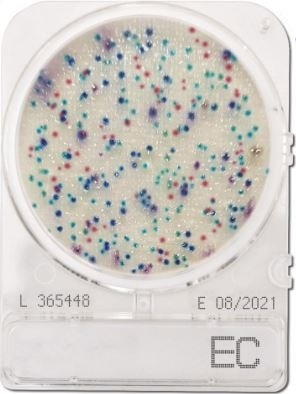
- Rapid E.coli detection method: uses Shimadzu ready-made culture plates such as Compact Dry EC.
- Molecular biological method: identifies pathogenic E.coli strains such as E.coli O157:H7, Shiga toxin-producing E.coli (STEC).
4. Why compliance with E.coli standards in food is important
- Protecting public health: prevents the risk of food poisoning, especially in children, the elderly, and people with weakened immune systems.
- Ensuring product quality: helps manufacturers maintain reliability and meet the requirements of the domestic and export markets.
- Legal compliance: avoids legal consequences, fines or product recalls due to violations of microbiological standards.
5. The process of controlling E.coli in food
- Input raw materials: select raw materials from reliable sources and ensure they are not contaminated.
- Raw material quality checks: carry out microbiological testing, especially for E.coli, to ensure the raw materials are safe.
- Processing procedure: apply hygiene measures during processing to prevent the growth of E.coli.
- Microbiological testing (E.coli): carry out regular testing to detect and control E.coli in products.
- Packaging and storage: use suitable packaging and store under appropriate conditions to prevent the growth of microorganisms.
- Distribution and consumption: ensure products are transported and consumed within a safe time and under safe conditions.
Controlling E.coli in food is an indispensable part of the food safety assurance process. Businesses need to strictly comply with the issued microbiological standards, and at the same time regularly test, monitor and improve the production process to ensure products do not harm consumers. In addition, consumers should also pay attention to choosing products with clear origins that are properly stored, in order to limit the risk of exposure to disease-causing bacteria.