- Microbiological testing is a method of identifying bacterial species and counting how many of them are present in a sample or on a surface
- The ATP measurement testing method is a testing method that uses ATP as an indicator of the presence of living microorganisms and organic residues on a surface.
We will explain how these two methods differ, including the measurement and testing methods, the time to obtain results, and the use of each of these tests for risk management.
1. What is microbiological testing?
- Microbiological testing is an indispensable part of the food production and processing process, as well as of ensuring the safety and quality of products for consumers. Microorganisms can cause poisoning and infections from water, food, cosmetics and other products.
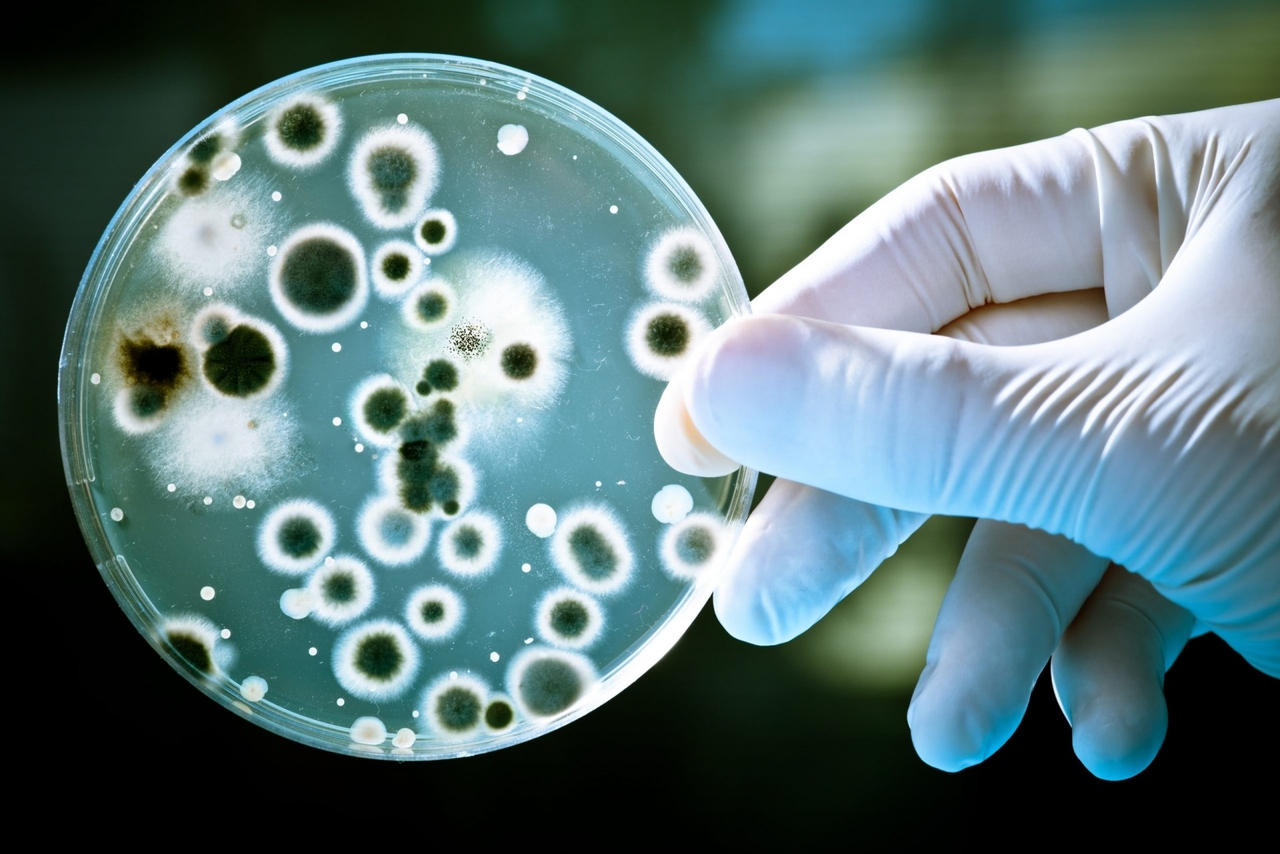
- Microbiological testing is a checking tool used to determine the level of bacterial contamination in food or on food processing equipment or cooking utensils. Samples for evaluation may be collected from food and ingredients to screen for contamination, or from plant environments to measure the effectiveness of cleaning and sanitation.
- Quantifying the level of bacteria present and determining whether any of these bacteria are pathogens of concern. Examples of bacteria: Coliforms, E. coli, Salmonella, Listeria, Staphylococcus aureus, yeasts and moulds, Bacillus cereus,....or other types, require specific testing methods based on sophisticated laboratories and equipment to carry out, and often take one to five days to obtain results.
2. Testing by the ATP measurement method
- The ATP measurement method, which includes the advanced ATP method (Kikkoman A3), is a fast, on-site measurement method that uses ATP as an indicator of the presence of living microorganisms + organic residues remaining on surfaces to evaluate cleaning effectiveness. The ATP method is widely used in environmental testing to confirm cleaning and hygiene control on equipment, food processing lines, cooking utensils, high-touch surfaces and medical devices.
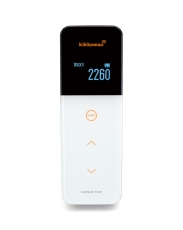
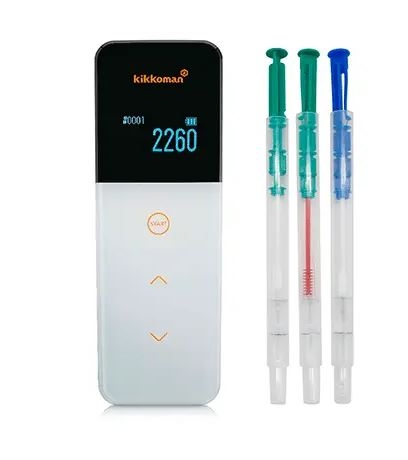
- The ATP measurement method (Kikkoman A3), using the Lumitester Smart surface hygiene monitoring device and the LuciPac A3 test swab, allows anyone to easily obtain results through a ten-second measurement. No special skills are needed to obtain the quantitative data you need to carry out objective programme management.
3. Differences between microbiological testing and using the ATP measurement method
The difference in the results of microbiological testing and the ATP method (Kikkoman A3) is explained using a cleaned chopping board as an example. We will look at this example as follows:
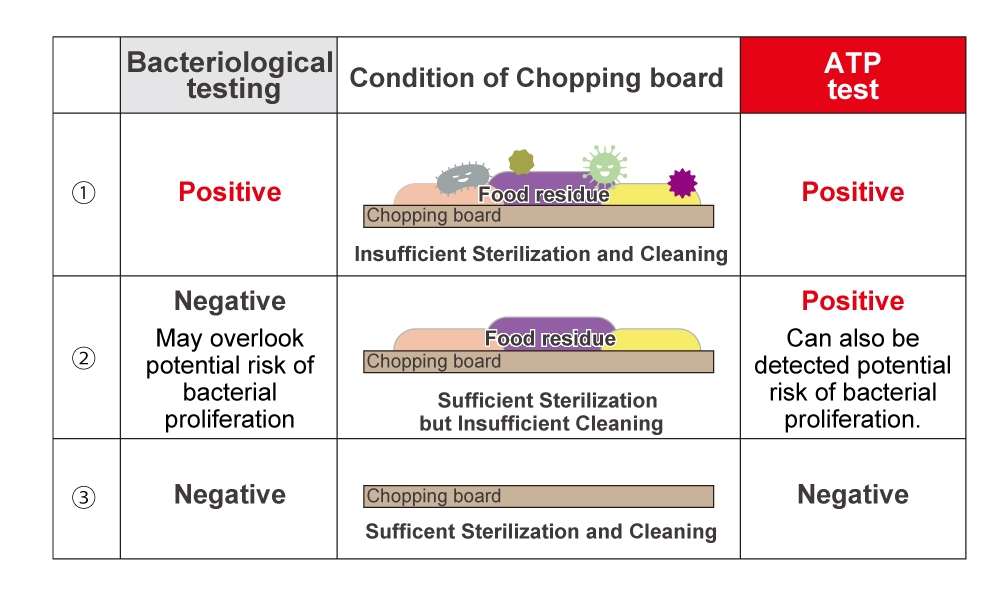
① The chopping board fails the microbiological test or the ATP test!
Bacteria as well as food residue are still on the chopping board. In this case, microbiological testing shows the bacterial count. The ATP test (Kikkoman A3) also shows measured values higher than the threshold set by the corresponding user. Therefore, the chopping board fails one of the two tests.
② Focus on the chopping board! No bacteria, but food residue is still present
In this case, the chopping board has passed the bacterial test. However, the ATP test (Kikkoman A3) shows a value above the threshold, resulting in an unsuccessful result. In addition, the remaining food residue reduces the sanitising action of alcohol and creates conditions for bacteria to multiply within a short time, which is a latent risk.
③ The chopping board has no bacteria and no food residue
- In this case the chopping board has been cleaned thoroughly and has no bacteria. ATP Check (Kikkoman A3) shows values below the threshold, so the chopping board has passed both the bacterial test and the ATP test (Kikkoman A3).
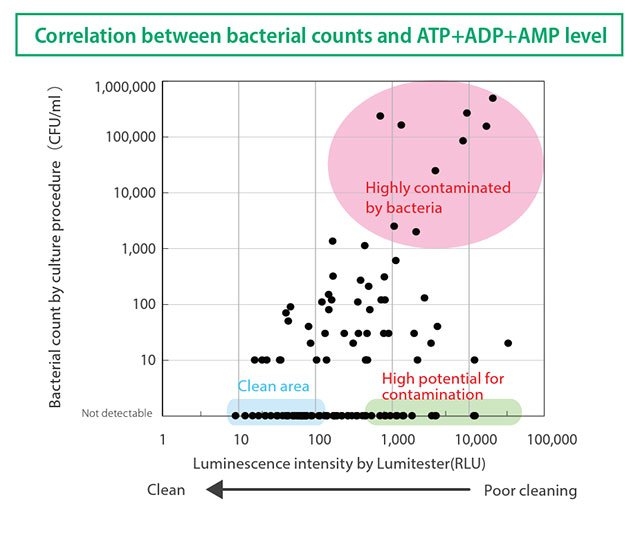
- As presented above, apart from the long waiting time for results, bacterial testing can miss conditions that are suitable for bacteria to multiply. The ATP method (Kikkoman A3) is an on-site cleaning evaluation tool that makes it easy to identify microorganisms and remaining residues of organic origin, as well as the risks of bacterial multiplication.
Have clean conditions free of organic residues (bacteria and food residues) by using the ATP measurement method (Lumitester Smart Kikkoman, Lucipac A3)!
Customers can refer to the details of the Lumitester Smart ATP meter product at the following link:
https://pacificlab.vn/vi/shops/group/may-atp-kiem-tra-ve-sinh-be-mat/
Source: biochemifa.kikkoman.com