1. Plate count method (Plate Count Method)
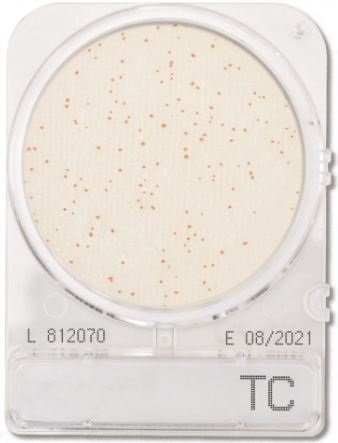
This is the most common and traditional method for determining the total aerobic microbial count. This method is based on culturing microorganisms from the sample onto a nutrient medium and counting the colonies that develop after incubation. Customers can refer to the pre-poured dried agar plate method from the Japanese company Shimadzu.
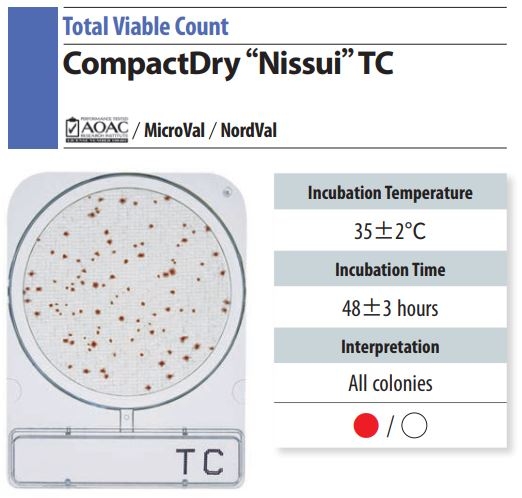
* Steps performed on agar plates
1. Sample preparation
Take a sample of the food, water, or material to be analyzed. Homogenize the sample into the dilution solution (usually peptone water or buffered physiological saline) at an appropriate ratio (for example, 1:10).
2. Sample dilution
Perform serial dilutions of the sample (usually dilution steps such as 10-1 , 10-2, 10-3,...) to reduce the number of microorganisms to a countable level.
3. Sample inoculation
Use a small amount of the diluted sample (usually from 0.1 mL to 1 mL) and inoculate it into petri dishes containing nutrient agar medium (Nutrient Agar).
4. Sample incubation
Incubate the petri dishes at an appropriate temperature (usually 35°C - 37°C) for 24-48 hours.
5. Colony counting
After incubation, count the number of colonies (CFU - Colony Forming Units) on the plate. Colonies are formed by single microbial cells or a group of cells.
6. Calculation
- Calculate the total microbial count based on the number of colonies counted and the dilution factor. The calculation formula is:

Note:
- Only count plates with a colony number in the range of 30 to 300 colonies.
- If the number of bacteria is too high, the sample needs to be diluted further to obtain accurate results.
2. Membrane filtration method (Membrane Filtration Method)
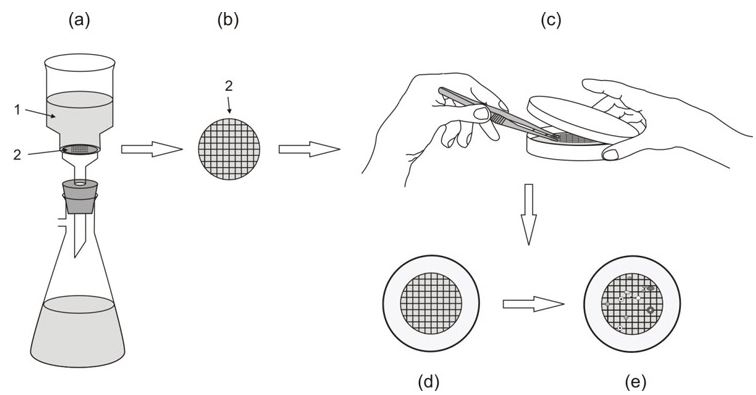
- This method is usually used for liquid samples such as drinking water and wastewater. The water sample is filtered through a membrane with small pore size (0.45 µm) to retain microorganisms.
- After filtration, the membrane is placed on a nutrient medium and incubated under appropriate conditions. Then, count the colonies that develop on the membrane.
3. Direct microscopic count (Direct Microscopic Count)
This method is less common, using a microscope to count bacteria directly in the sample. This method usually requires high technique and cannot distinguish live from dead bacteria.
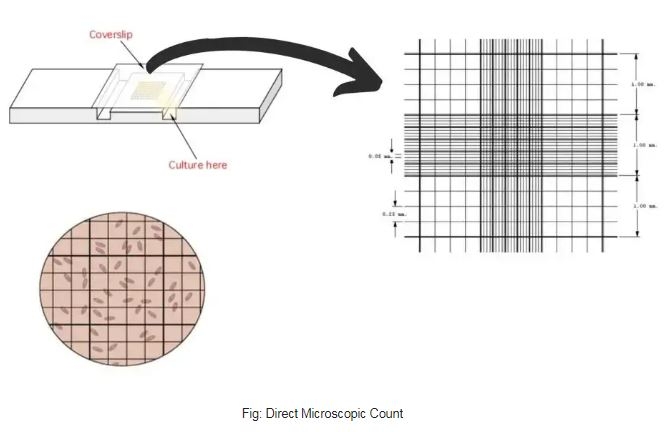
4. Method using an ATP meter (ATP Bioluminescence)
- ATP (Adenosine Triphosphate) is an energy compound present in all living cells. The ATP measurement method is based on the bioluminescence reaction when ATP reacts with the luciferase enzyme. The luminescence is proportional to the amount of microorganisms in the sample.
- This method gives rapid results, but cannot distinguish specific types of aerobic bacteria. Lumitester Smart ATP meter from Kikkoman can effectively monitor surface cleanliness after cleaning. Customers can refer to the ATP meters we supply here.

These methods help check food safety and water quality, and help control the risk of microbial contamination.
Please contact us for advice and to experience the solutions we provide!