
As a highly nutritious fish, salmon is not only rich in protein but also a source of essential minerals such as calcium, phosphorus, vitamin A and D, as well as clean omega-3 fats. However, alongside those benefits, choosing and handling salmon the wrong way can cause extremely dangerous consequences. Learn more to prevent them! Choosing poor-quality salmon Choosing food plays a decisive role in the flavor of a dish as well as in food safety and hygiene, especially for fish that is often eaten raw, like salmon. Poor-quality salmon may be contaminated with Salmonella, Vibrio vulniculus, and Vibrio parahaemolyticus. Digestive disorders, abdominal pain and diarrhea are common symptoms after eating food containing these pathogens. In addition, with the severely polluted seas of today, salmon may also be contaminated with toxic heavy metals such as lead, mercury, domoic acid, ... among the factors that cause cancer.

Therefore, we should choose salmon from facilities that are safe, quality-assured and have food safety certificates. You can also check the external features: the salmon's eyes must be clear, the pupils black and bright, the gills not darkened, and the fresh flesh firm and elastic. Check inside the belly of the salmon to make sure there are no traces of blood or dark patches. Improper preparation Salmon is a food that is often eaten raw, so if it is not prepared very well, raw salmon flesh can easily cause bacterial infection. Once you have chosen good salmon, you also need to pay attention to preparing it properly. Filleting should be done carefully. Watch out for small bones stuck in the flesh; use tweezers to pull them out to avoid choking on a bone when eating.
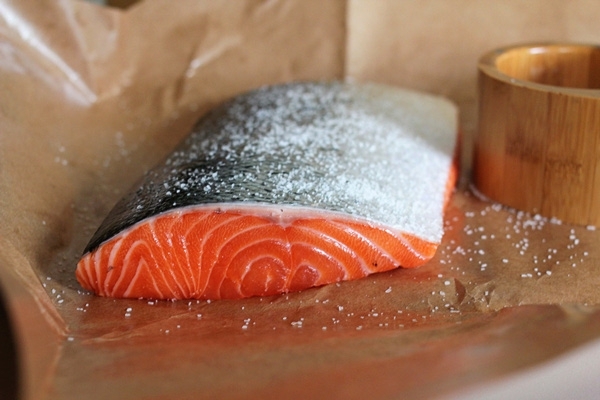
In addition, to reduce the fishy smell and remove dirt from the fish, you can rub it with salt water or coarse salt, then soak the cleaned fish in cold water with a little vinegar, or mix a little pepper or bay leaves into the fish. Improper storage Keep the fish chilled for storage and use it within 24 hours. Avoid using fish meat that has changed color or is leaking water. For frozen fish, move it to the refrigerator to thaw slowly before use. If it is put straight into a warm environment or into a microwave, the flesh will fall apart. For longer storage, keep the fish frozen. Frozen salmon can be stored for up to 3 months. However, if that freezing process is interrupted, the whole storage loses its value, and we must use all of the flesh after the first thawing.