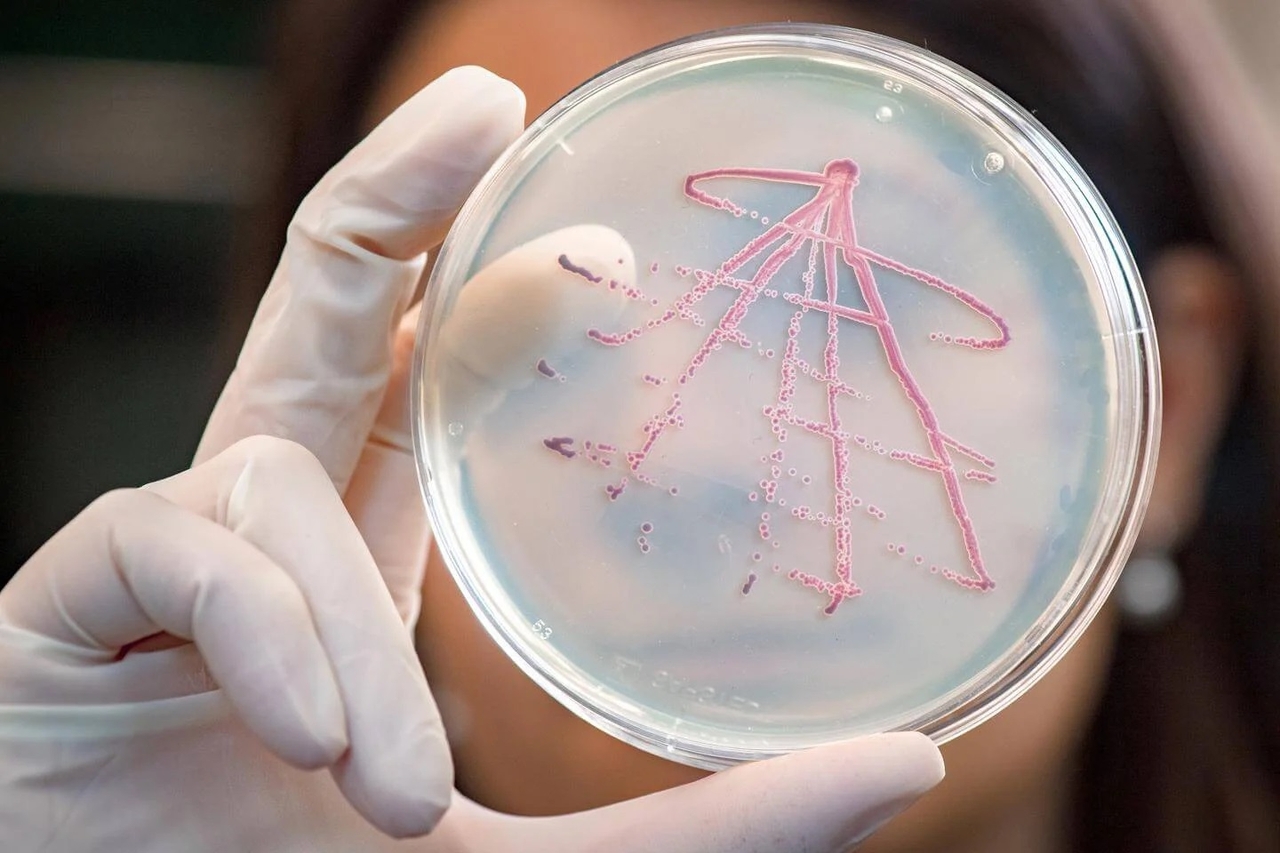
- This Clostridium perfringens is commonly found in the natural environment, such as soil and the intestines of animals, but it is also the cause of many intestinal diseases and food poisoning in people. Culturing Clostridium perfringens in the laboratory requires a suitable medium, because this bacterium can only grow under anaerobic conditions, and its nutritional requirements are also quite specific.
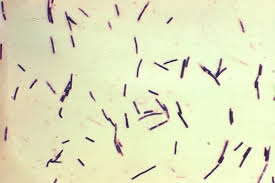
– Clostridium perfringens is a bacterium that causes many infections in people and animals, the most common being food poisoning and necrotising enteritis. Below are the main conditions that Clostridium perfringens can cause:
1. What diseases does Clostridium perfringens cause?
– Characteristics: Clostridium perfringens type A is a common cause of food poisoning. This poisoning occurs when people eat food contaminated with the bacterium, especially protein-rich foods such as meat, poultry and gravy.
– Symptoms: food poisoning caused by C. perfringens usually causes abdominal pain, diarrhoea and nausea, without fever. Symptoms typically appear 8–12 hours after eating the contaminated food and last about 24 hours.
- Mechanism: after the bacterium enters the digestive tract, it grows and releases enterotoxin in the small intestine, damaging the mucosa and leading to digestive symptoms.
1.1. Necrotising enteritis
– Characteristics: necrotising enteritis caused by C. perfringens type C is a serious and rare form of enteritis, also known as pig-bel disease in humans or enteritis necroticans.
- Symptoms: this disease has more severe symptoms than food poisoning, including intense abdominal pain, bloody diarrhoea and fever, and can lead to intestinal necrosis. In serious cases it can cause bowel perforation and lead to death if not treated promptly.
– Mechanism: C. perfringens type C produces beta-toxin, a necrotising toxin. Beta-toxin destroys the intestinal mucosa, leading to necrosis and possibly widespread infection in the body.
1.2. Gas gangrene and wound infections
- Characteristics: Clostridium perfringens type A can enter open wounds and cause tissue necrosis, also known as gas gangrene.
– Symptoms: the infection causes pain, swelling, discoloured skin with a foul odour, and produces gas bubbles under the skin as tissue breaks down. The disease progresses rapidly and can be fatal without treatment.
– Mechanism: C. perfringens type A produces alpha-toxin, which destroys cells and tissue, allowing the bacterium to grow rapidly in the damaged tissue.
1.3. Acute enteritis in animals
– Characteristics: Clostridium perfringens also causes acute enteritis in animals, especially sheep, cattle and poultry, leading to diarrhoea and death in young animals.
– Symptoms: symptoms include diarrhoea, dehydration and rapid death, usually within a few hours to a few days after infection.
2. Culture media for Clostridium perfringens
To culture Clostridium perfringens, both selective and non-selective media can be used, depending on the testing and research purpose. The main media include:
– TSC Agar medium (Tryptose Sulphite Cycloserine Agar): This is a special selective medium for isolating Clostridium perfringens from food and environmental samples. TSC agar contains tryptose, sodium sulphite and ferric ammonium citrate. Sodium sulphite and ferric ammonium citrate produce the black colonies characteristic of C. perfringens through sulphite reduction. Cycloserine is added to prevent the growth of other bacteria, increasing selectivity.
– SPS Agar medium (Sulfite Polymyxin Sulfadiazine Agar): This medium performs a similar function to TSC agar in isolating Clostridium perfringens, but contains additional polymyxin and sulfadiazine to inhibit unwanted bacteria. It is quite a selective medium and allows rapid detection of C. perfringens based on the growth of black colonies.
– Thioglycollate Broth medium: This is a liquid medium containing thioglycollate, an oxygen-reducing chemical that creates anaerobic conditions suitable for the growth of C. perfringens. Thioglycollate broth is used to enrich samples before isolation on selective media, ensuring C. perfringens has the conditions it needs to multiply in liquid medium.
– Cooked Meat Medium: This is a liquid medium containing pieces of cooked meat, providing nutrients and growth factors for C. perfringens and other anaerobic bacteria. It helps the bacterium grow in samples where cell numbers are low or cells are injured and need time to recover.
3. Important chemical components in the culture medium
Culture media for Clostridium perfringens must be prepared with special chemicals and nutrients to meet the bacterium's growth requirements. Some of the main chemicals include:
– Sodium Sulphite and Ferric Ammonium Citrate: These two components produce the black colour reaction characteristic of Clostridium perfringens colonies in TSC and SPS media. As Clostridium perfringens grows, it can reduce sulphite to sulphide, and the sulphide reacts with ferric ammonium citrate to form a black precipitate.
– Cycloserine, Polymyxin and Sulfadiazine: These antibiotics are added to TSC and SPS media to prevent the growth of unwanted bacteria, increasing selectivity and making it easier to isolate C. perfringens.
– Thioglycollate: This chemical helps remove oxygen from the liquid medium, creating the anaerobic conditions C. perfringens needs to grow. Thioglycollate also protects anaerobic bacteria from the effects of oxygen during culture.
– Peptone and Glucose: These provide nutrient sources for the bacterium, especially an energy source (glucose) and a nitrogen source (peptone) that support growth.
– Agar: This is a gelling agent, used to make solid media that allow the bacterium to form colonies. For C. perfringens, agar is present in TSC or SPS for isolating and observing black colonies.
4. Culture methods and conditions
– Because Clostridium perfringens is an anaerobic bacterium, culture requires strictly anaerobic conditions to ensure good growth. Laboratories can use the following methods to maintain anaerobic conditions:
– Anaerobic incubator: A dedicated anaerobic chamber with a system for removing oxygen and maintaining a completely anaerobic environment.
– Anaerobic jar: For small culture volumes, an anaerobic jar can be used with gas packs or oxygen-absorbing sachets to ensure the bacterium is not exposed to oxygen.
– Anaerobic bags: A simpler option when an anaerobic chamber is unavailable, creating anaerobic conditions for small test samples.
5. Detecting and identifying Clostridium perfringens
After culture, Clostridium perfringens can be identified based on morphological and biochemical characteristics:
– Colony morphology: On TSC or SPS agar, C. perfringens forms black colonies through the sulphite reduction reaction.
– Biochemical tests: Biochemical reactions such as gas production from glucose and lactose, a positive lecithinase test (breaking down lecithin) and toxin production are commonly used indicators to identify C. perfringens.
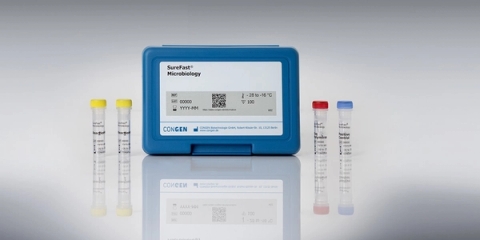
– PCR method: This can be used to detect toxin-encoding genes, confirming the presence of C. perfringens more accurately and quickly. See the PCR kit products we supply here.
Culturing Clostridium perfringens demands specialised knowledge and skills to select the right medium and maintain anaerobic conditions. Media such as TSC agar and SPS agar with their specific chemicals have simplified the isolation and identification of this bacterium in food and environmental samples. This allows laboratories to carry out food safety testing and quality management, helping reduce the risk of poisoning caused by C. perfringens.