
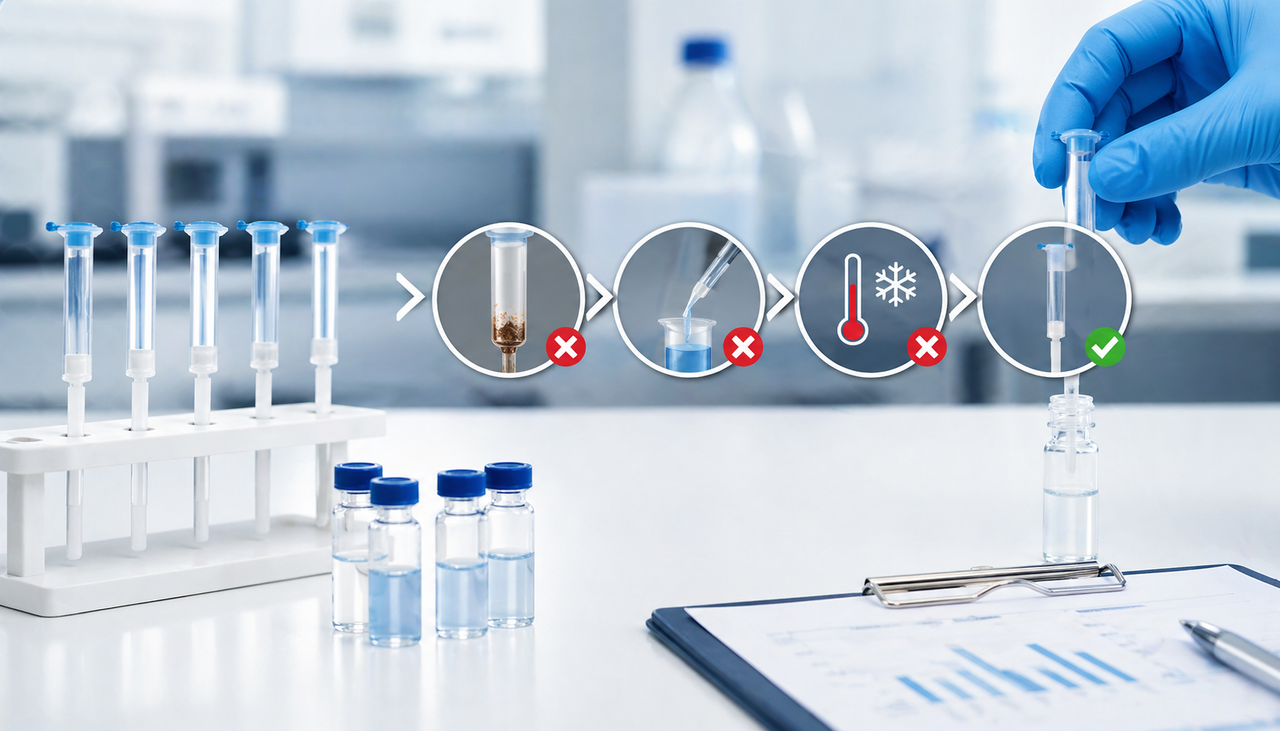
- However, if handled incorrectly, the laboratory can run into many problems such as clogged columns, low recovery, unstable results or high mycotoxin analysis errors.
- The article below will help you recognise the common mistakes when using IAC columns and how to fix them effectively during mycotoxin testing.
1. IAC columns clogging because of dirty samples or poor sample preparation
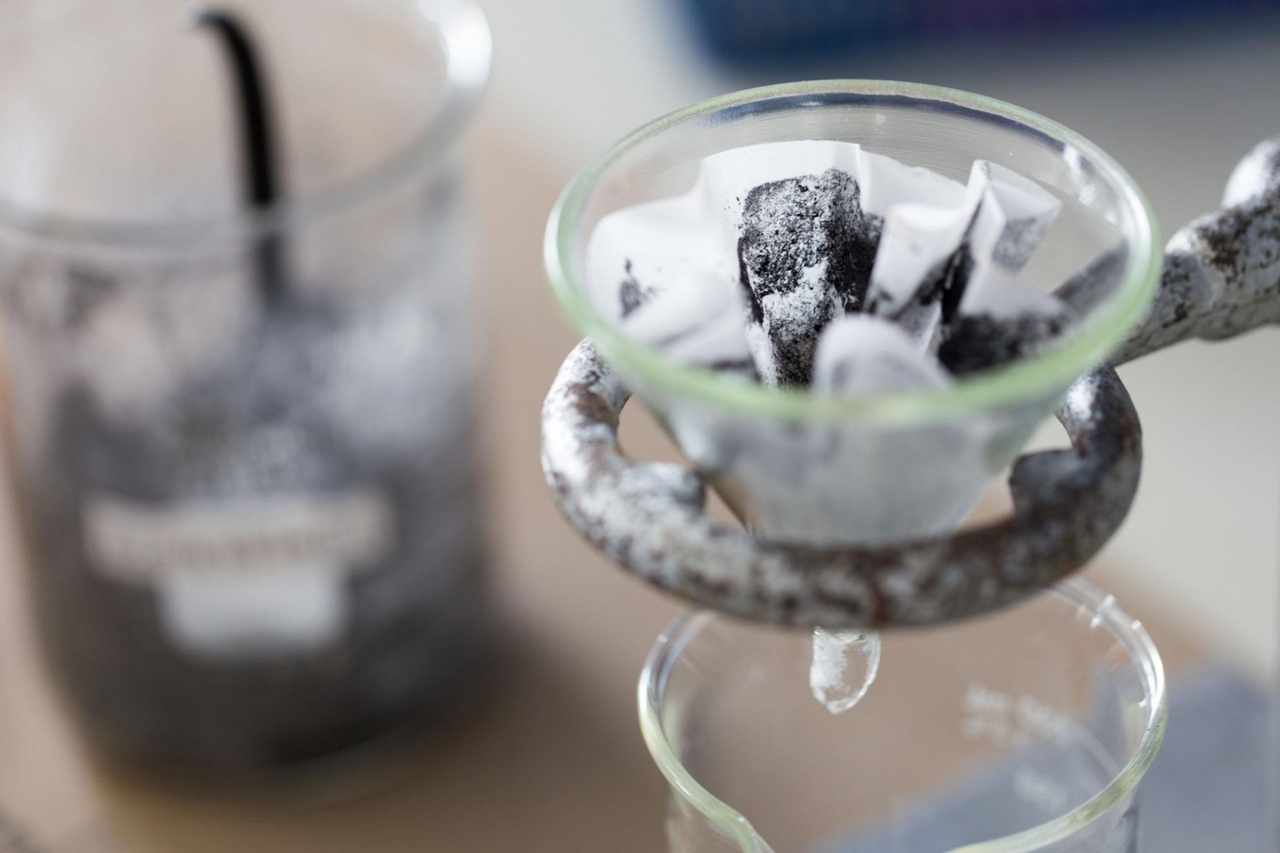
- This is one of the most common mistakes when using immunoaffinity columns. Food samples, feed ingredients, cereals, spices, coffee, milk or other complex matrices often contain a lot of fat, protein, starch, pigments and insoluble residue.
- If samples are not properly centrifuged, filtered or pre-cleaned, these impurities can enter the column and cause blockages.
1.1. Warning signs
Sample flows through the column very slowly or not at all. Unusually high pressure when using a manifold or vacuum pump. Sample handling takes longer than usual. Analytical results show poor repeatability.
1.2. Common causes
The extract was not filtered thoroughly. The extract still contains suspended residue. An unsuitable filter paper or membrane was used. The sample has too complex a matrix but was not diluted or pre-treated.
1.3. How to fix it
- Centrifuge the sample after extraction to remove large residue. Filter the extract through a suitable filter paper or membrane before loading it onto the column. For oily, fatty or highly coloured samples, add a pre-cleaning step following the kit instructions exactly. Never load a cloudy extract with lots of residue or an oil layer directly onto an IAC column.
- Preparing the sample properly helps limit column clogging, protects the antibodies inside the column and significantly reduces mycotoxin analysis errors.
2. Incorrect flow rate through the column
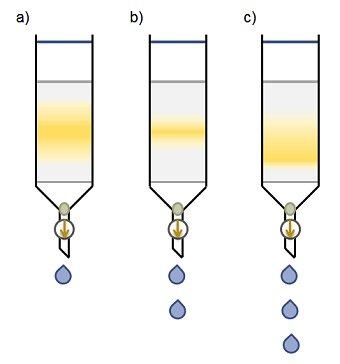
- An IAC column works on the specific binding between the antibodies in the column and the mould toxin in the sample. This process needs adequate contact time. If the sample flows through too fast, the toxin may not have fully bound to the antibody, leading to low recovery.
- Conversely, if the flow rate is too slow because of inconsistent handling or slight clogging, analysis time stretches out and repeatability between samples can suffer.
2.1. Warning signs
Analytical results lower than the true value. Recovery fails to meet requirements. Results vary widely between replicates. Quality control samples fall outside the acceptable range.
2.2. Common causes
The vacuum pump is set too strong. Samples are pushed through under too much pressure. Flow rate is not controlled when loading the sample, washing the column or eluting. Operators handle samples inconsistently.
2.3. How to fix it
- Always follow the flow rate recommended in the manufacturer's instructions. Do not let the sample flow through the column too fast. When using a manifold system, keep the vacuum pressure steady. Train staff to work to the same standard procedure to ensure repeatability.
- Good flow control is an important factor in helping IAC columns deliver maximum sample clean-up and improving the accuracy of the mycotoxin analysis.
3. Not controlling sample pH
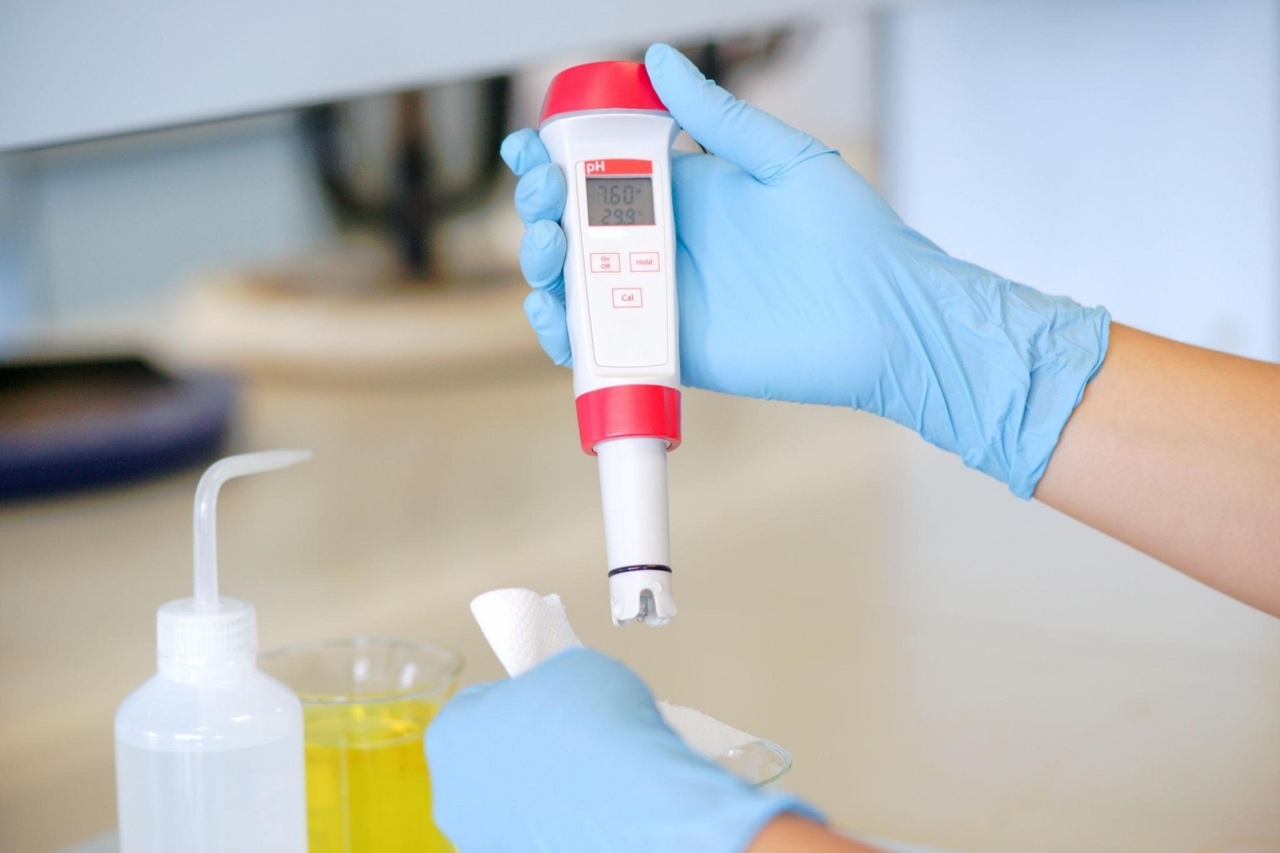
- The antibodies in an IAC column are a biological component sensitive to environmental conditions, especially pH. If the sample pH is too acidic or too alkaline, the binding between antibody and mould toxin can be affected.
- This is an often overlooked cause, but it can produce significant mycotoxin analysis errors.
3.1. Warning signs
Unusually low recovery. Unstable results even though the extraction procedure has not changed. Complex-matrix samples giving results very different from standards. The calibration curve passes but real samples give unreliable results.
3.2. Common causes
pH is not checked after extraction. The extraction solvent or dilution solution has the wrong composition. The sample is strongly acidic or alkaline by nature. A buffer of the wrong concentration or pH is used.
3.3. How to fix it
- Check and adjust the pH of the extract as recommended before loading the sample onto the column. Use exactly the buffer solution specified in the analysis procedure. Do not change solvent composition, dilution ratios or buffer type without validation.
- For difficult matrices such as spices, coffee, cocoa, animal feed or fermented ingredients, pH control deserves even more attention to avoid affecting the IAC column's ability to capture mycotoxins.
4. Storing IAC columns at the wrong temperature
- IAC columns contain specific antibodies, so storage conditions directly affect column performance. If stored at the wrong temperature, exposed to high heat, direct light or frozen incorrectly, the antibodies' activity can decline.
- The column then no longer captures toxins as well as it did, leading to low or unstable results.

4.1. Warning signs
The column is within its expiry date but recovery drops. Quality control results fail. Samples run with the same procedure give unusually variable results. The column looks dry, leaks or has abnormal storage solution.
4.2. Common causes
Columns are not stored at the recommended temperature. Columns are left at room temperature for too long. Columns freeze during shipping or storage. Packaging is not sealed after removing a column. Expired or nearly expired columns are used without checking performance.
4.3. How to fix it
- IAC columns must be stored according to the manufacturer's instructions. Avoid places with high temperature, direct sunlight or near heat-generating equipment. Do not use a column if you suspect it has been stored in the wrong conditions. Laboratories should record storage fridge temperatures daily and control storage conditions under ISO/GLP procedures.
- Correct storage maintains column stability and ensures reliability in mould toxin analysis.
5. Washing the column incorrectly
- After the sample passes through the column, the wash step removes leftover impurities before the mycotoxin is eluted. If washing is insufficient, matrix components may remain and interfere with the analytical instrument. If washing is too aggressive or the wrong solution is used, the antibody–toxin binding can be affected.
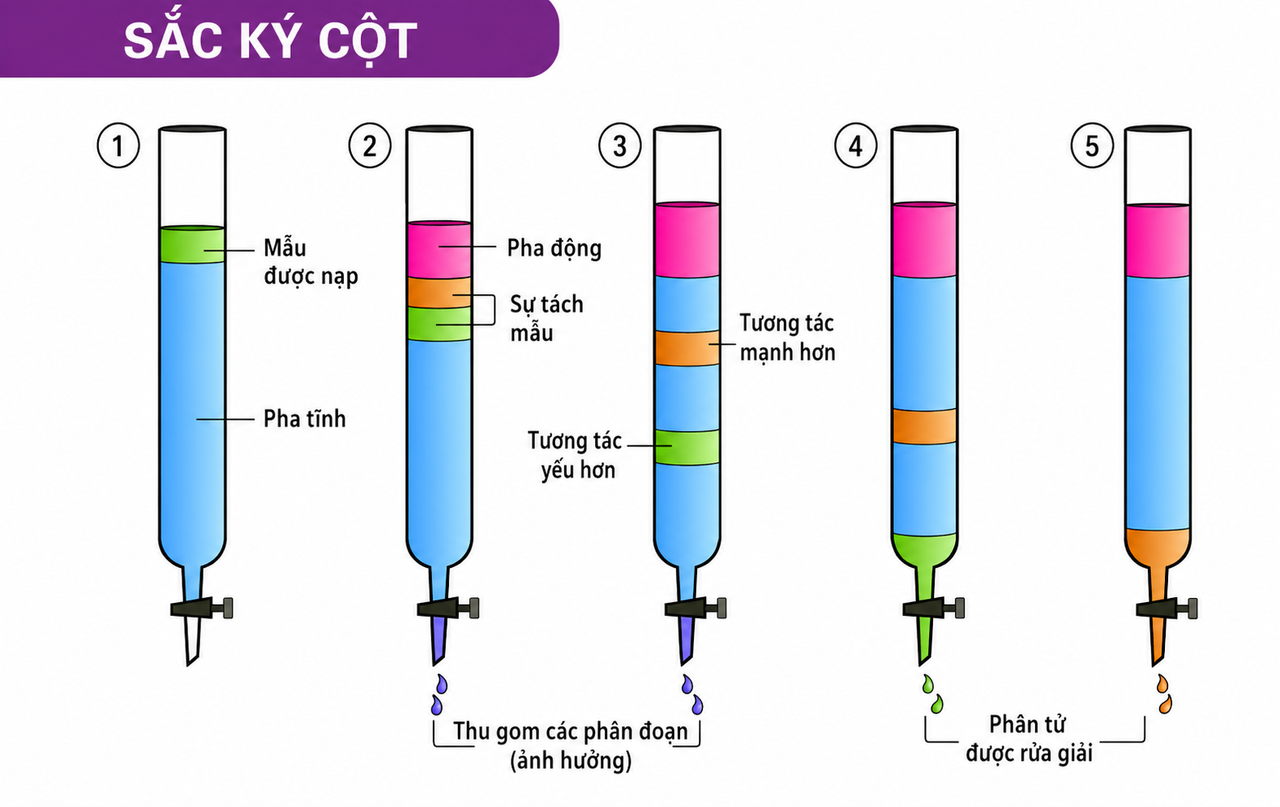
* How to fix it
- Use the right wash solution, the right volume and the right flow rate as instructed. Do not change the wash solvent on your own. Make sure the column does not dry out during handling. Handle samples consistently to limit errors.
6. Incomplete mycotoxin elution
The elution step separates the mould toxin from the column so it can be analysed. If the elution solvent is wrong, the volume is insufficient or the contact time is too short, the mycotoxin may not be fully recovered.
* How to fix it
Use the right elution solvent as instructed. Make sure the solvent passes through the entire gel bed in the column. If the procedure requires it, let the solvent sit in contact with the column for a suitable time before collecting the eluate. Collect the full eluate volume to ensure accurate results.
7. No quality control in each analysis batch
Even with correct handling, laboratories still need blanks, standards, spiked samples or reference materials to assess the reliability of results. Without a quality control step, it is very hard to detect IAC column errors during analysis.
* How to fix it
Each analysis batch should include appropriate QC samples. Monitor recovery, repeatability and acceptance limits. When results are unusual, re-check the extraction procedure, flow rate, pH, column storage conditions and the solvents used.
Conclusion
- IAC columns are an effective solution for cleaning up samples and improving accuracy in mould toxin analysis. However, to achieve stable results, users need to control key factors well: sample cleanliness, flow rate through the column, sample pH, storage conditions, and the wash and elution steps.
- Recognising IAC column mistakes early not only helps the laboratory reduce mycotoxin analysis errors, but also saves time and money and improves the reliability of test results.
- If your business analyses aflatoxin, ochratoxin A, fumonisin, zearalenone, DON or other mycotoxin groups, choosing high-quality IAC columns and following the correct handling procedure is vital to ensure accurate, stable results that meet food safety control requirements.
👉 See the article An overview of immunoaffinity columns (IAC) in Mycotoxin analysis