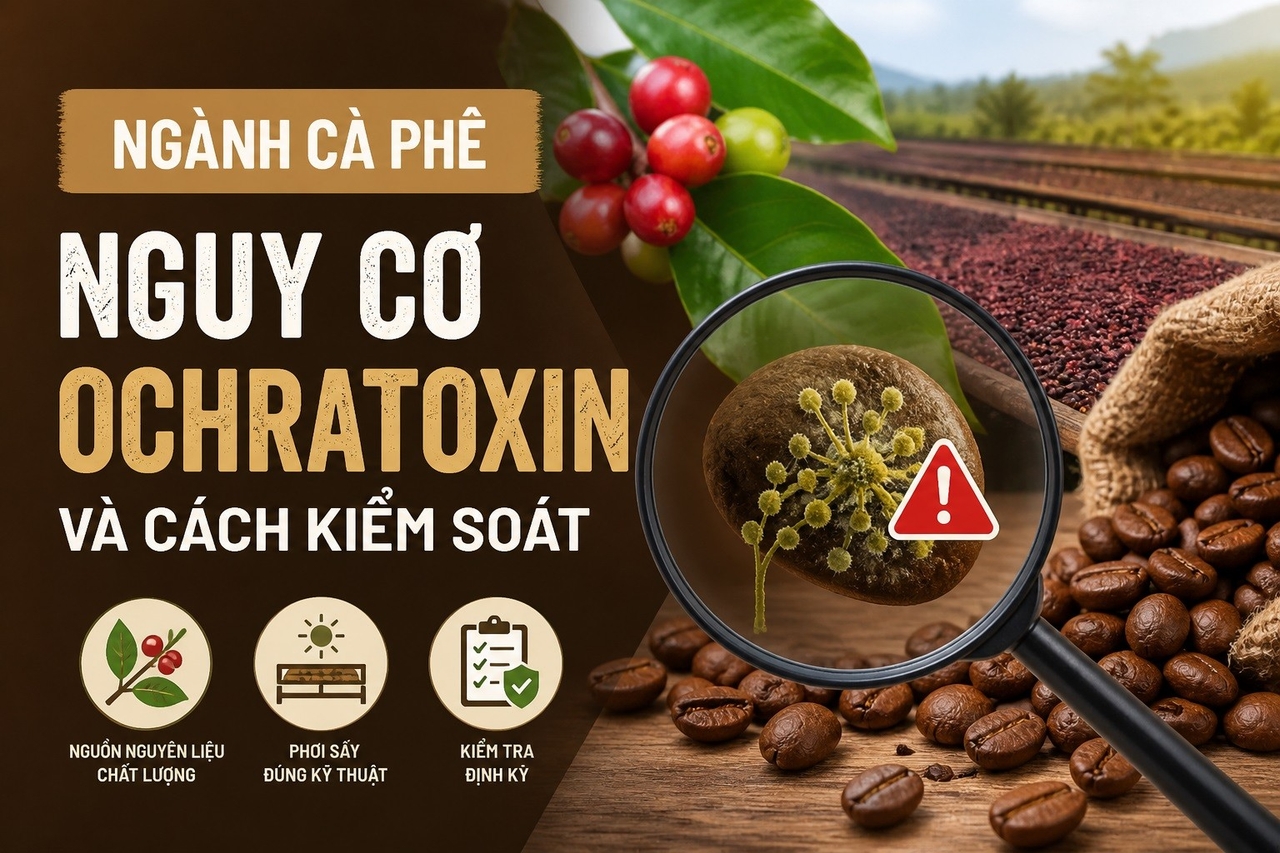
- This is one of the biggest hazards for the global coffee industry, especially for exporting countries such as Vietnam.
- OTA can persist in green coffee beans, roasted and ground coffee, and even instant coffee, seriously affecting consumer health.
Why is coffee prone to Ochratoxin contamination?
1. A climate favorable to molds
- The hot, humid climate — typical of coffee-growing regions — is an ideal environment for fungal growth.
2. Sub-standard harvesting and drying
- Harvesting fruit that is not fully ripe
- Drying coffee directly on the ground
- Moisture is not controlled
→ These are the factors that increase the risk of ochratoxin contamination in coffee.
3. Improper storage
- Damp warehouses
- Open packaging
- Prolonged storage times
→ This creates conditions for fungi to keep growing and producing toxins.
The health effects of Ochratoxin
According to international research, Ochratoxin A can cause:
- Kidney damage (nephrotoxicity)
- Cancer risk (classified as a carcinogenic substance)
- Effects on the immune system
For this reason, bodies such as the European Food Safety Authority and the World Health Organization have set strict limits for OTA in food.
Regulations on Ochratoxin in coffee
- EU: the OTA limit in roasted coffee is around 5 ppb
- Demanding markets such as Japan and the US have very strict standards
👉 If the threshold is exceeded, a coffee consignment can be rejected, causing major losses for the business.
How to control Ochratoxin in the coffee industry
1. Control starting at the growing region
- Harvest ripe fruit
- Remove damaged and moldy fruit
- Never let coffee touch the soil directly
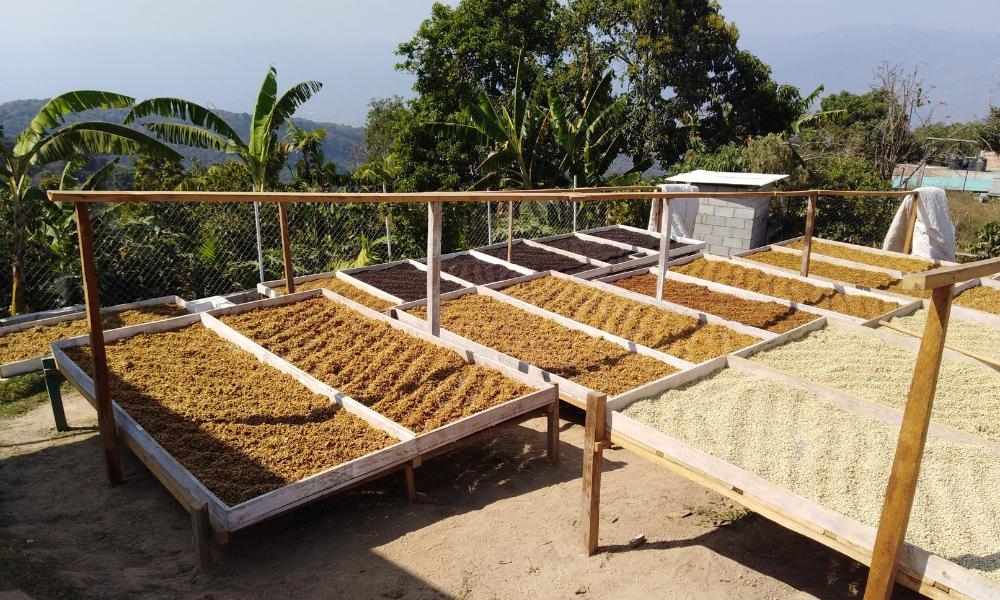
2. Dry with correct technique
- Dry on raised racks or clean tarps
- Moisture after drying < 12%
- Avoid rain and humidity
3. Compliant storage
- Dry, well-ventilated warehouses
- Humidity kept below 70%
- Use moisture-proof packaging
4. Regular Ochratoxin testing
Businesses should perform:
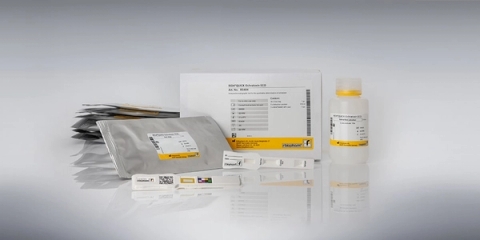
- Rapid Ochratoxin tests (rapid screening)
- Analysis by ELISA or HPLC/LC-MS/MS
👉 Regular testing enables early detection and reduces export risk.
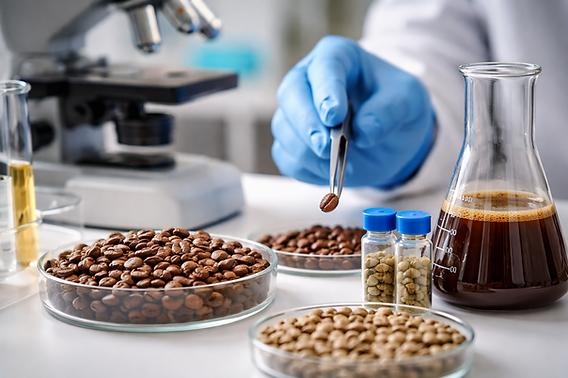
5. Apply modern control technology
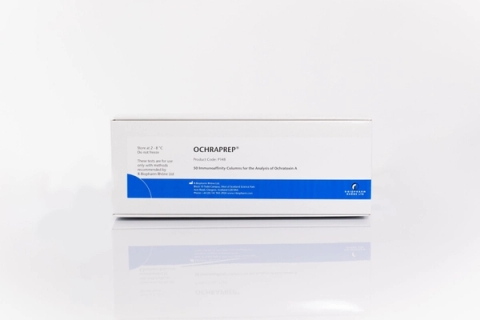
- Use immunoaffinity columns (IAC) to clean up samples
- Apply quality management systems (HACCP, ISO 22000)
The optimal solution for coffee businesses
To guarantee quality and meet export standards, a business should:
- Combine control from farm → factory → laboratory
- Invest in reputable mycotoxin test kits
- Train staff in mold control
Conclusion
- The risk of ochratoxin in coffee is a serious issue that directly affects consumer health and a company's reputation. Controlling OTA is not only mandatory; it is a matter of survival in coffee exports.
- 👉 Businesses need to proactively control it from raw material sources, through the production process, to testing, to make sure their products meet international standards.