
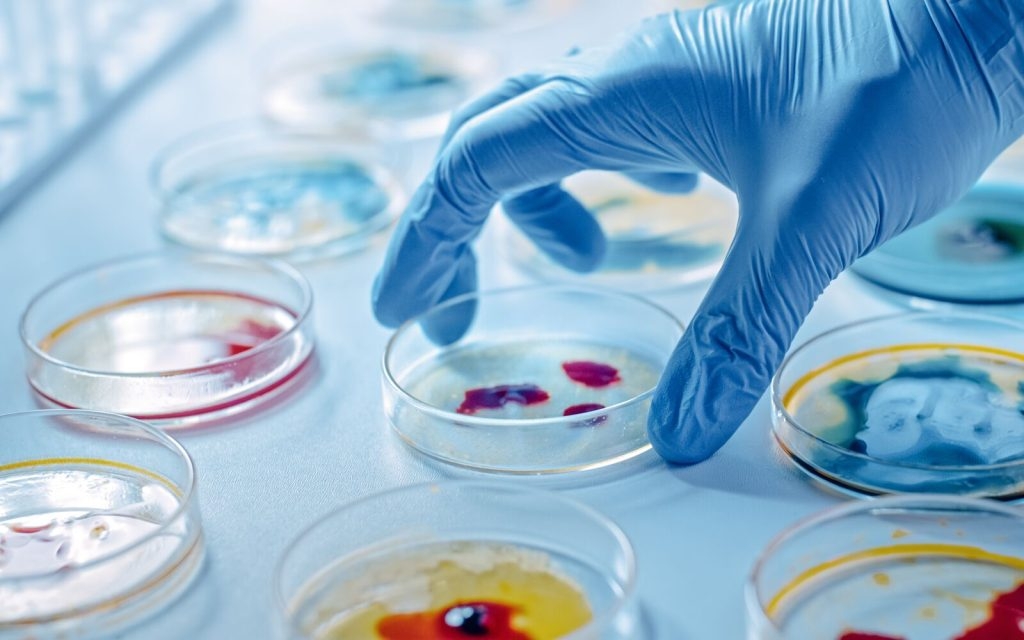
I. Challenges microbiological testing in food
1. Diversity of microorganisms in food
- Food contains many different types of microorganisms, from pathogenic bacteria (Salmonella, E. coli, Listeria) to beneficial microorganisms (Lactobacillus). Distinguishing the types of microorganisms requires advanced techniques and modern equipment.
- Solution: Use modern methods such as PCR (Polymerase Chain Reaction) or gene sequencing to accurately identify microorganisms.
2. Complexity of food samples
- Food samples may contain many matrix substances, colors, or inhibitory substances that affect analytical results.
- Solution: Apply appropriate sample pretreatment steps such as dilution, using selective media, or DNA extraction to remove interfering factors.
3. Long testing time
- Many traditional methods, such as microorganism cultivation, require from a few days to several weeks to produce results.
- Solution: Switch to rapid methods such asCompact Dry medium plates, ELISA rapid tests, or biosensor technology.
4. Microbiological testing in ready-to-eat foods
- Ready-to-eat products often contain preservatives or hard-to-process components, reducing result accuracy.
- Solution: Use adapted methods, for example changing the cultivation medium or optimizing the extraction procedure.
5. Testing requirements under legal regulations
- Each country has different standards for microorganisms in food, such as safety limits and mandatory testing methods.
- Solution: Build testing procedures appropriate to each standard (ISO, FDA, HACCP) and regularly update to the latest regulations.
II. Optimal solutions in food microbiological testing
1. Automation and modern technology
- Use automated equipment, such as automatic colony counters or rapid microorganism analysis systems, helping increase throughput and reduce errors.
- Apply artificial intelligence (AI) to analyze and process data quickly and accurately. For example, BactLab software for colony reading from Shimadzu.
2. Professional staff training
- Testing personnel need systematic training in modern techniques and correct sample handling procedures.
- Organize courses to update testing knowledge and skills.
3. Laboratory quality management
- Apply a quality management system such as ISO 17025 to ensure consistency and reliability of test results.
- Conduct interlaboratory comparisons to assess accuracy and objectivity.
4. Investment in research and development
- Develop faster and cheaper testing methods to meet the growing demand for food safety.
- Cooperate with research institutes and universities to find new solutions.
5. Application of biotechnology and big data analysis (Big Data)
- Use biotechnology to develop rapid, accurate test kits.
- Combine big data to predict microorganism risks and plan effective control.
Food microbiological testing is a field full of challenges but also offers many opportunities for improvement. Combining technology solutions, enhancing staff capacity and complying with international standards will help ensure food safety and protect public health.