

When we raise a glass to this popular beverage, it is important to emphasize the importance of maintaining the highest quality and safety standards in beer production. For brewers and testing laboratories, methods such as Real Time PCR, ATP testing to control surface cleanliness after sanitation, and enzyme testing play an important role in ensuring the purity and quality of beer.
1. Enhanced testing to detect yeast and bacteria
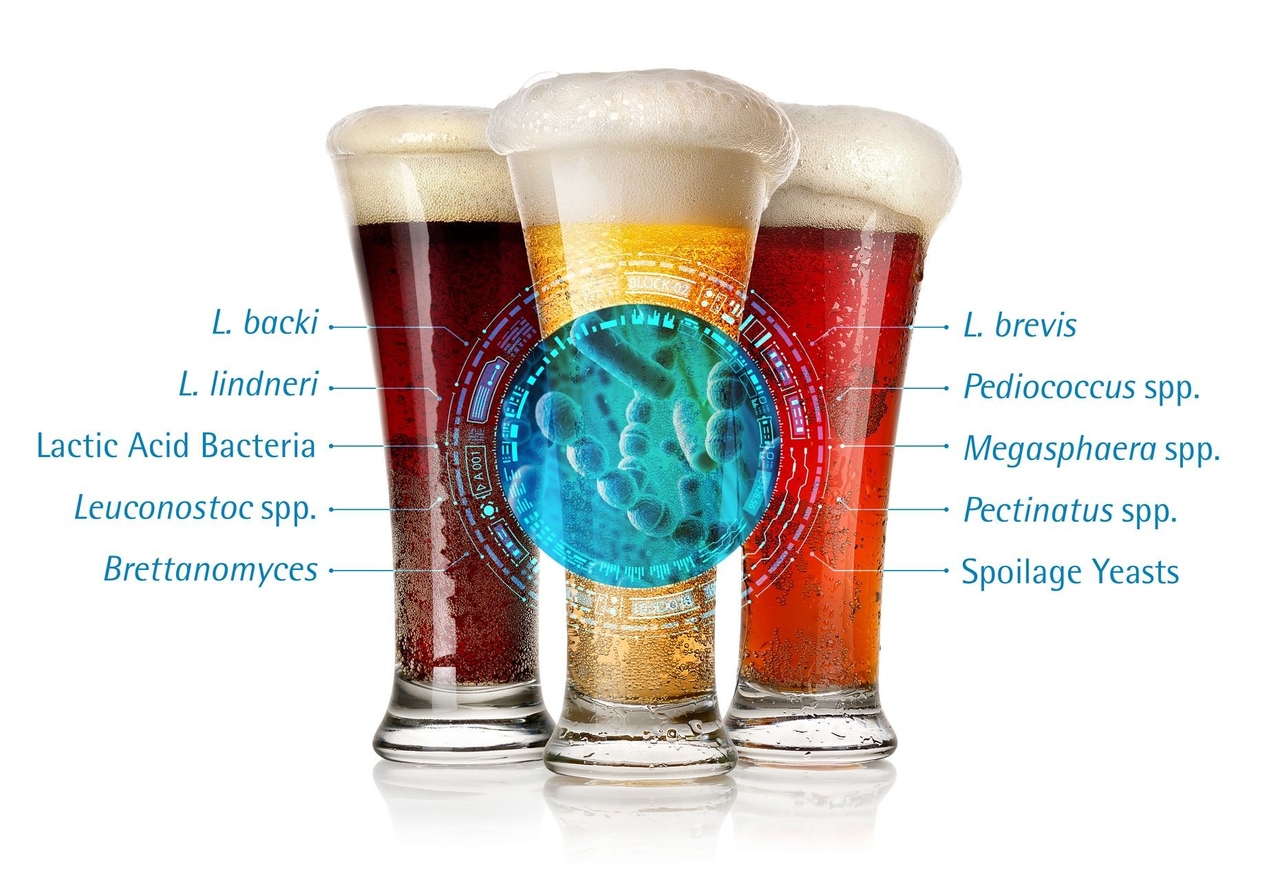
- One of the most important challenges in beer production is preventing spoilage caused by unwanted yeast and bacteria. These microorganisms can affect the flavor, aroma and safety of the beer, leading to hidden financial losses and damage to reputation.
Real Time PCR kits have emerged as a powerful tool for detecting yeast and spoilage bacteria in beer. These test kits provide:
- Simultaneous detection and identification of yeast and bacteria
- Fast results: Accurately detect spoilage organisms within a few hours, enabling rapid action.
- High sensitivity and specificity: accurately identify even at very low levels of contamination, ensuring comprehensive quality control.
- Easy to use: The streamlined workflows can be easily integrated into routine testing protocols.
- By incorporating PCR testing into the brewing process, brewers can effectively monitor and manage bacterial contamination, ensuring that every batch meets the highest quality standards.
- For more details, please see our information here.
- Watch this video and learn how easy it is to start running PCR
2. ATP measurement to control surface cleanliness on the bottling line
The bottling station is another critical point in the beer production process where contamination can occur. To maintain a sterile environment and prevent bacterial growth, brewers can use ATP testing (adenosine triphosphate). These tests are designed to:
- Detecting residual organic matter: ATP tests can identify traces of organic residue left on surfaces, indicating how contaminated the surface is.
- Providing immediate results: Results are available in real time, allowing corrective action to be taken immediately if needed.
- Improving sanitation processes: by regularly monitoring the cleanliness of the bottling line, brewers can improve their sanitation processes and reduce the risk of beer spoilage.
- See information on the surface cleanliness monitoring device here.

3. Enzyme-based testing methods to ensure quality
In addition to bacterial testing, enzyme-based testing methods provide valuable detailed information about many other aspects of beer quality, including:
- Alcohol content: ensuring the accuracy of the stated alcohol percentage.
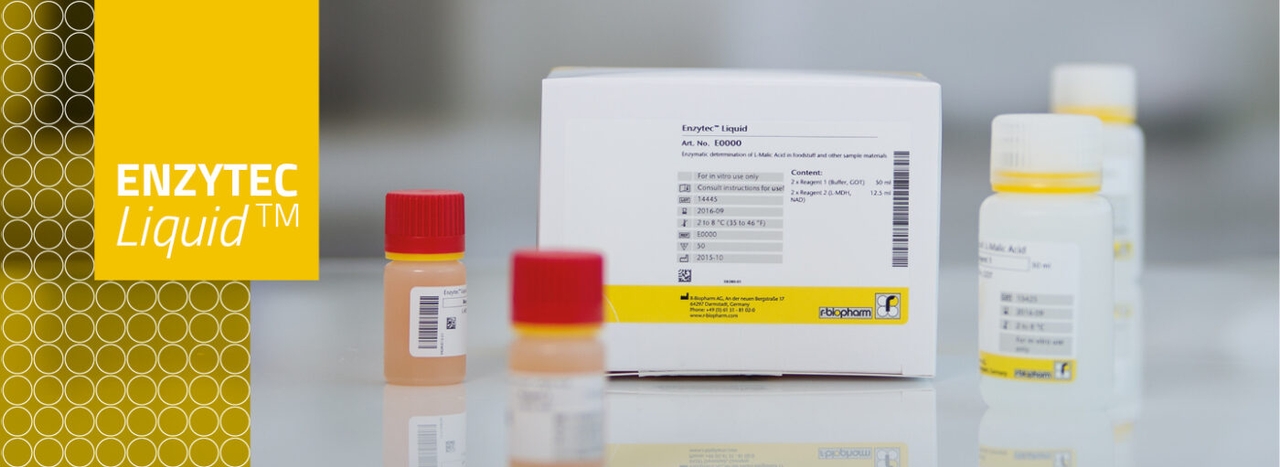
- The EnzytecTM Liquid Ethanol (E8340) test kit allows brewers to test non-alcoholic beers. This test is the first AOAC certified method, helping brewers ensure that every beer meets the desired specifications.
- Explore the enzyme testing method here.
4. Conclusion
- As we celebrate International Beer Day, we should also recognize the dedication and creativity of brewers and testing laboratories working to provide the highest quality beer to consumers.
- By taking advantage of advanced testing methods such as PCR, ATP measurement to control surface cleanliness, and enzyme testing, the brewing industry can continue to maintain its commitment to excellence.
- Cheers to quality, creativity and the love of beer!
- For more information about our Real Time PCR kits and testing solutions