1. Symptoms of casein allergy
Casein allergy is common in children but can also persist into adulthood. People with a casein allergy can have symptoms ranging from mild to severe, including:
- Rashes, itching, hives.
- Swelling of the lips, tongue or throat.
- Stomach pain, nausea, diarrhea.
- Severe reactions such as anaphylactic shock.
Therefore, identifying and avoiding foods containing casein is very important for people with this allergy.
2. Casein in food
Casein occurs naturally in animal milk (cow, goat, sheep) and in dairy products such as:
- Fresh milk, milk powder, cheese, yogurt.
- Butter, cream, whey.
- Some industrially processed foods use casein as an additive, for example: biscuits and cakes, sauces, packaged soups, and meat substitutes.
- Because casein is not easily removed during processing, identifying its presence in food is very necessary.
3. Method for testing casein in food
- Currently, methods for testing casein in food mainly rely on chemical and biological analysis techniques. Common methods include:
3.1. ELISA method (Enzyme-Linked Immunosorbent Assay)
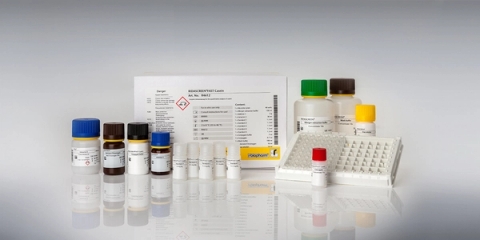
- The ELISA method is one of the most sensitive and specific techniques for detecting casein in food. Its principle is to use a specific antibody to recognize casein:
- Advantage: high sensitivity, able to detect casein at low concentrations.
- Disadvantage: requires modern laboratory equipment and skilled staff.
- Refer to the casein allergy ELISA test kit from R-Biopharm here.

3.2. High performance liquid chromatography (HPLC)
- HPLC is used to separate and quantify proteins, including casein, in food. This method is based on the ability to separate compounds through a chromatography column:
- Advantage: high accuracy, suitable for quantitative analysis.
- Disadvantage: high equipment and chemical costs.
3.3. PCR method (Polymerase Chain Reaction)
- PCR is used to detect casein-related DNA in food. This method is suitable for checking the presence of casein in milk-derived products:
- Advantage: high specificity.
- Disadvantage: it only detects DNA and cannot determine the casein content.
3.4. Rapid casein allergy test kit method
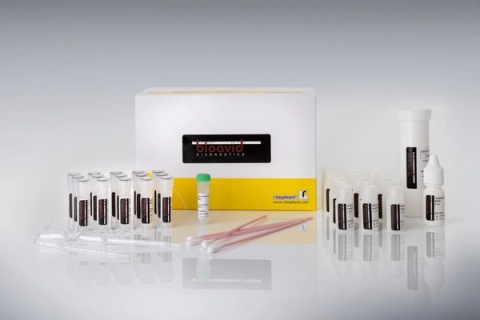
- Rapid test kits are increasingly being developed to support consumers and manufacturers.
- Advantage: easy to use, no complex techniques required.
- Disadvantage: accuracy and sensitivity may be lower than laboratory methods.
- Refer to the rapid casein allergy test kit from R-Biopharm here.

4. Regulations and food labeling
- Under food safety regulations in many countries, the presence of casein in a product must be clearly stated on the label of the food product. In Vietnam, the Ministry of Health requires manufacturers to disclose information about allergenic ingredients, including casein, on the product packaging.
Casein allergy is a serious health problem for some people. Therefore, clear testing and food labeling is very important to protect consumers. Modern test methods such as ELISA, HPLC and PCR have provided strong support in detecting casein, while helping raise food safety standards. Consumers need to read the label carefully and consult a medical expert if there are signs of allergy.