1. What is Bacillus cereus
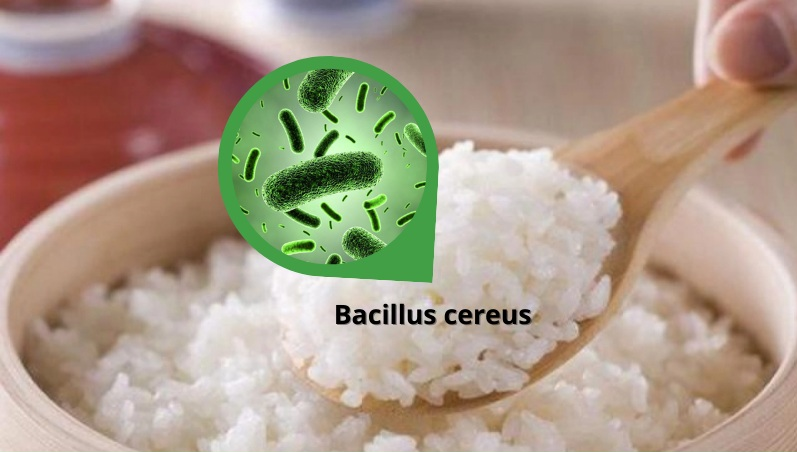
- Bacillus cereus is a gram-positive bacterium capable of forming heat-resistant spores. When conditions are favourable, these spores germinate and grow rapidly, producing toxins that harm consumers. Disease caused by Bacillus cereus is usually divided into two forms:
- Diarrhoeal poisoning: caused by enterotoxin produced in the small intestine after eating food containing live Bacillus cereus.
- Emetic poisoning: caused by cereulide – a heat-stable toxin produced in the food before consumption.
2. Sources of Bacillus cereus contamination in food
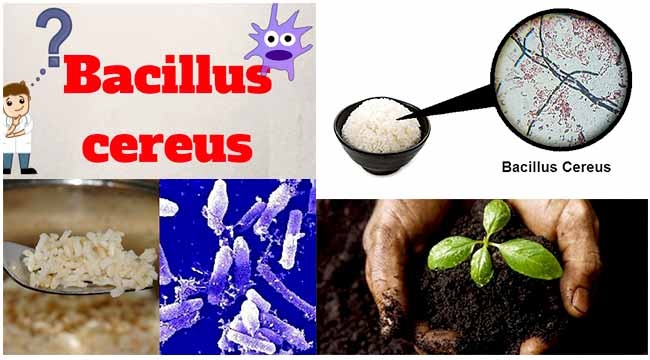
Bacillus cereus bacteria can exist in many different types of food such as:
- Rice, noodles, cereals, vegetables (especially cooked food that is left to cool for a long time).
- Dairy products.
- Meat and seafood.
- Spices, flour, cereal powder.
Bacillus cereus spores can survive heat processing such as cooking, steaming, and incomplete sterilization. If food is not stored properly (storage temperature not suitable), the bacteria can grow strongly and produce toxins.
3. Bacillus cereus limits in food
Depending on each type of food and the regulations of the country or standards organization, Bacillus cereus limits in food may vary. Below are some reference limits:
- Codex Alimentarius (international food standards commission): Does not specify a specific level, however it emphasizes the need to control Bacillus cereus in high-risk foods.
- EU (Europe): For ready-to-eat foods, cereals, dairy products and infant foods, the permissible level is usually ≤ 10² – 10³ CFU/g.
- FSANZ (Australia & New Zealand): The acceptable level is ≤ 10³ CFU/g for ordinary foods.
- Vietnam: According to QCVN 8-3:2012/BYT – National technical regulation on microbiological limits in food, there is no specific provision for Bacillus cereus in all food groups, however businesses usually refer to international limits or build internal standards.
👉 Danger threshold: According to studies, a Bacillus cereus level from 10⁵ – 10⁶ CFU/g upwards can cause clear food poisoning.
3. Method for detecting and testing Bacillus cereus in food
3.1. Detection method
- Selective plating: Use MYP agar medium to quantify Bacillus cereus
- Toxin identification: ELISA, PCR or bioassay methods can be used.
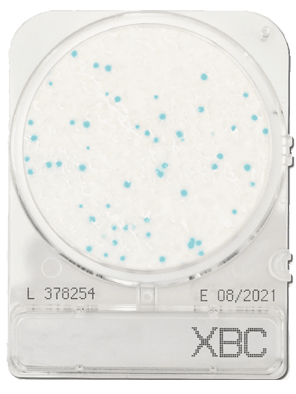
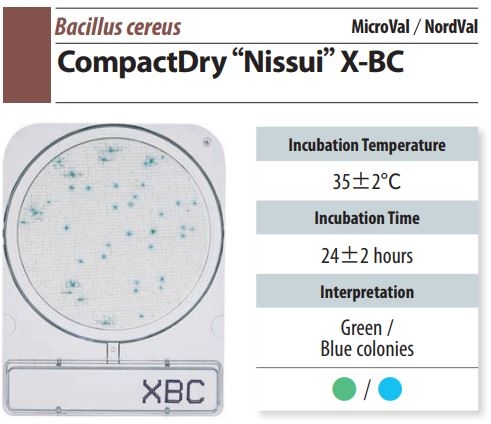
- Rapid detection method: using Shimadzu's freeze-dried medium plates, product Compact Dry BC plate helps quantify rapidly within 24h.
3.2. Control measures
- Control input raw materials, especially materials that are easily contaminated with Bacillus cereus.
- Cook thoroughly and cool quickly after processing.
- Refrigerate (≤ 4°C) ready-to-eat foods.
- Apply HACCP to manage critical control points in production.
Bacillus cereus limits in food is an important microbiological indicator that food manufacturing and processing businesses need to pay attention to and control strictly. Compliance with the permitted limits not only helps ensure consumer safety but also protects brand reputation in the domestic and international markets.