
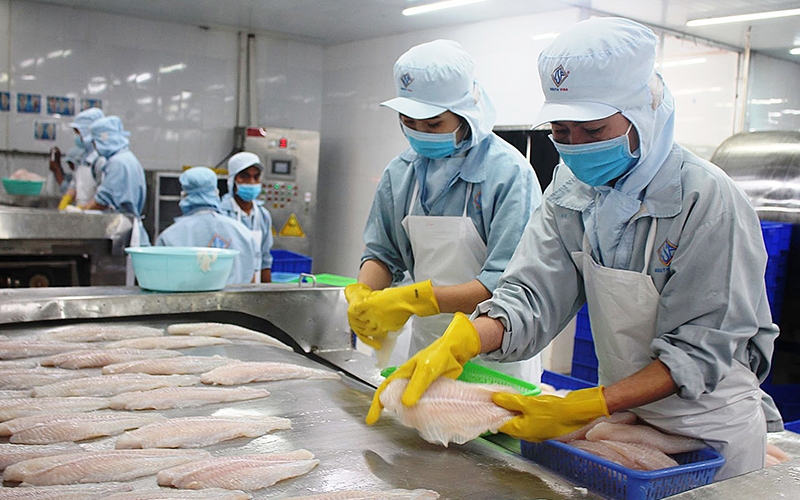
- ATP is a chemical compound present in all living cells, including microorganisms and organic matter. Therefore, measuring the ATP level on the surfaces of equipment, tools, and processing areas can provide real-time information about the level of cleanliness.
- Make sure to perform the test after cleaning the target area. Areas under construction or where visible dirt is present are not test targets because it is obvious that many fish and other components are attached to them.
1. Understand the hygiene situation and improve cleaning methods
- To understand the current situation, measurements must be carried out after the target has been properly cleaned, which requires comprehensive hygiene control. If possible, multiple ATP tests can be performed on a single target to identify areas that are easily washed away.
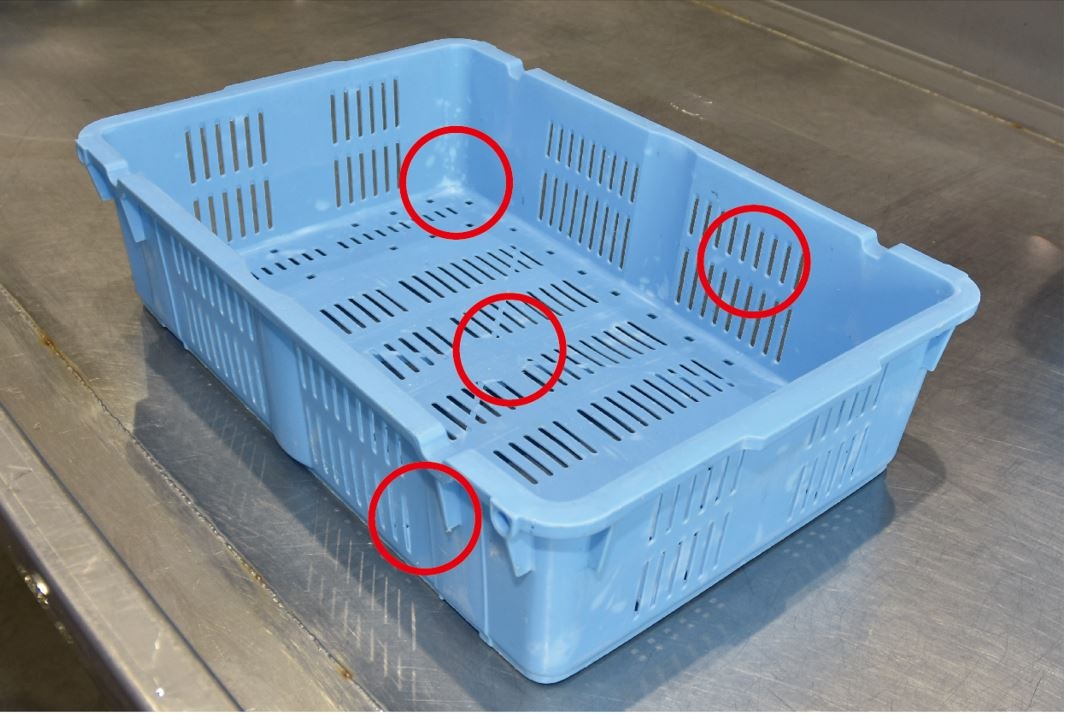
- For example, in the case of fish baskets, check the outside, inside, sides and bottom corners of the basket to identify points that are often washed away (see the figure below).
* Measurement targets suitable for control by ATP testing
- Parts that come into direct contact with fish (work tables, sorting machines, fish containers, main boards, knives,...)
- Areas that many people touch (for example: refrigerator handles, personal computers)
- Where working tools, containers,... are stored
- Toilets and laundry rooms (faucets, sinks, doors, etc.)
- Workers' hands and fingers after handwashing
2. Establish standard values
- Hygiene management cannot be carried out if evaluation standards vary depending on the inspection day and the number of inspectors on daily checks. The selected checkpoints, the sampling procedure defined for each target, and the activity control standard values are determined based on the material, shape and the results of the current condition survey (please refer to item 4).
3. Continuous management
- By checking current issues, you can learn about improving cleaning methods and daily management points. However, a sanitary working environment cannot be maintained without continuous management. This section introduces an example of an effective test.
- Daily management: Set priority checkpoints and carry out periodic inspections (Refer to item 4).
- Spot checks: Spot checks are also carried out for targets outside the scope of daily control, thereby improving the level of cleanliness of the entire working environment.
- Handwashing education: Conduct regular handwashing checks to confirm proper handwashing, thereby raising workers' awareness of hygiene.
4. Examples of positions requiring hygiene checks in seafood processing plants
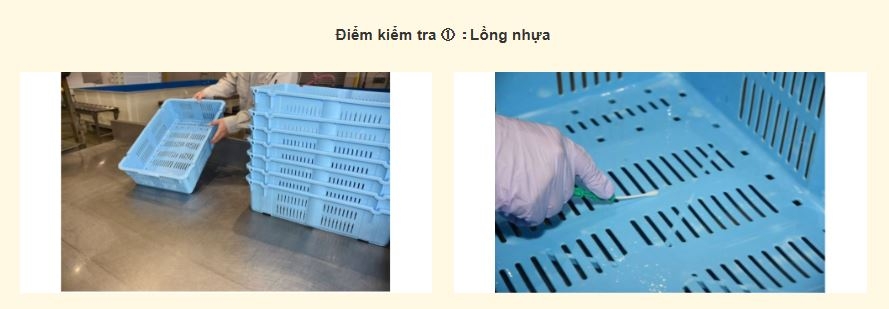
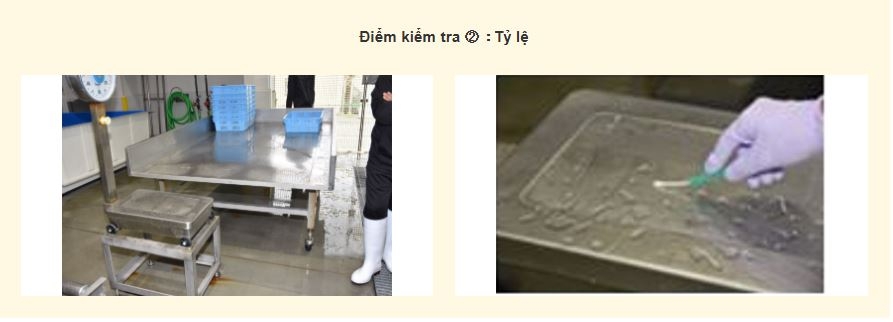
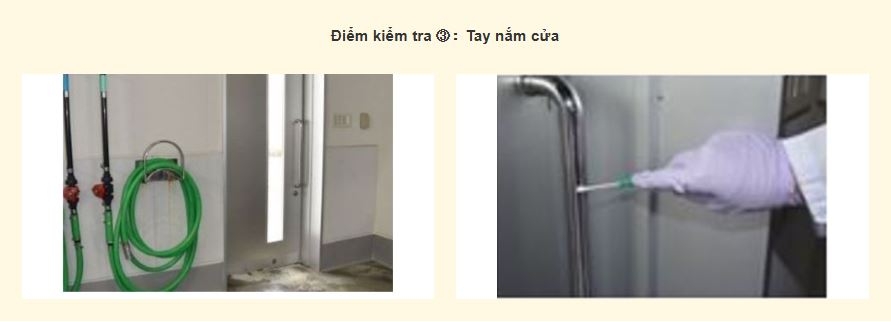
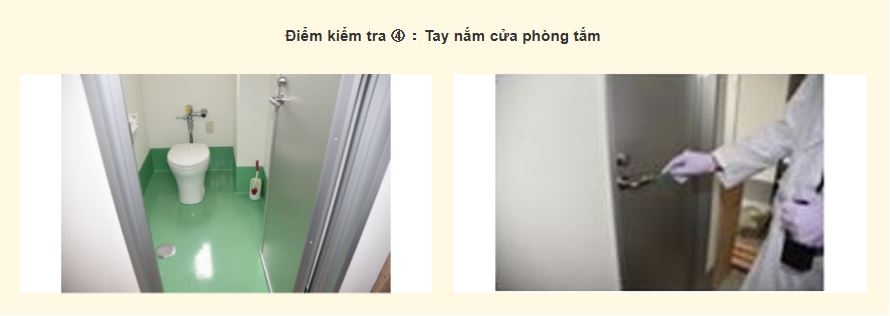
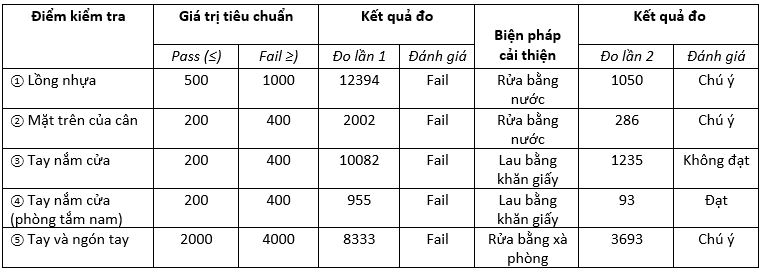
* Notes
- Standard values are only examples. In practice, operational standards are determined based on the material and shape being inspected as well as the survey results.
- The first inspection shows that cleaning was not complete, so it must be cleaned again.
- After the second cleaning, there was an improvement at all points, however the door handle still did not meet the standard and required additional measures.
* Source
Japan Fishing Vessel and Gear Technology Association. [Quality and hygiene management - To protect the value of fishery products in the local market-] Suisanbutsu no kachi wo mamoru tameno sanchi ichiba no hinshitsu kanri・eisei kanri 2017.
5. Application of ATP testing in hygiene monitoring at seafood processing plants
- Surface hygiene monitoring: Check surfaces in contact with food such as preparation tables, knives, utensils, and containers.
- Post-cleaning hygiene check: Ensure equipment and areas meet hygiene standards after cleaning
- Monitoring employee hand hygiene: Assess the level of cleanliness of workers' hands to ensure compliance with food safety procedures.
- Production environment check: Monitor indirect contact areas such as factory floors, walls, or storage areas.
6. Limitations of ATP testing
- No differentiation of microorganism type: ATP only reflects the total amount of microorganisms and organic matter, and cannot distinguish whether bacteria are pathogenic or not.
- Chemical influence: Detergents or chemical residues can interfere with the results.
- Specific thresholds are required: each processing facility needs to set its own ATP threshold appropriate to its production conditions and hygiene conditions.
ATP testing is an important tool for monitoring hygiene in the seafood industry, contributing to ensuring product quality and meeting food safety standards. Combining ATP with traditional microbiological testing methods will create a comprehensive and effective hygiene control system.