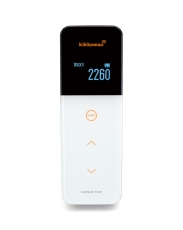
1. The Lumitester Smart ATP meter – a modern hygiene testing tool
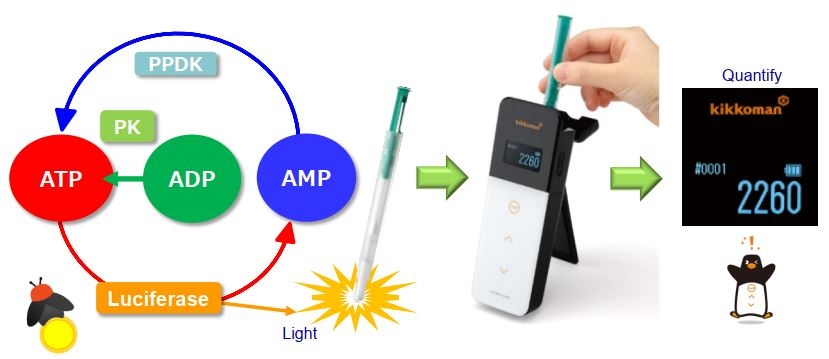
- ATP (Adenosine Triphosphate) is an energy-carrying molecule present in all living cells – bacteria, fungi, plants and animals. When ATP is present on a surface, it is a sign of organic contamination, meaning the presence of microorganisms, biological fluids or residual food.
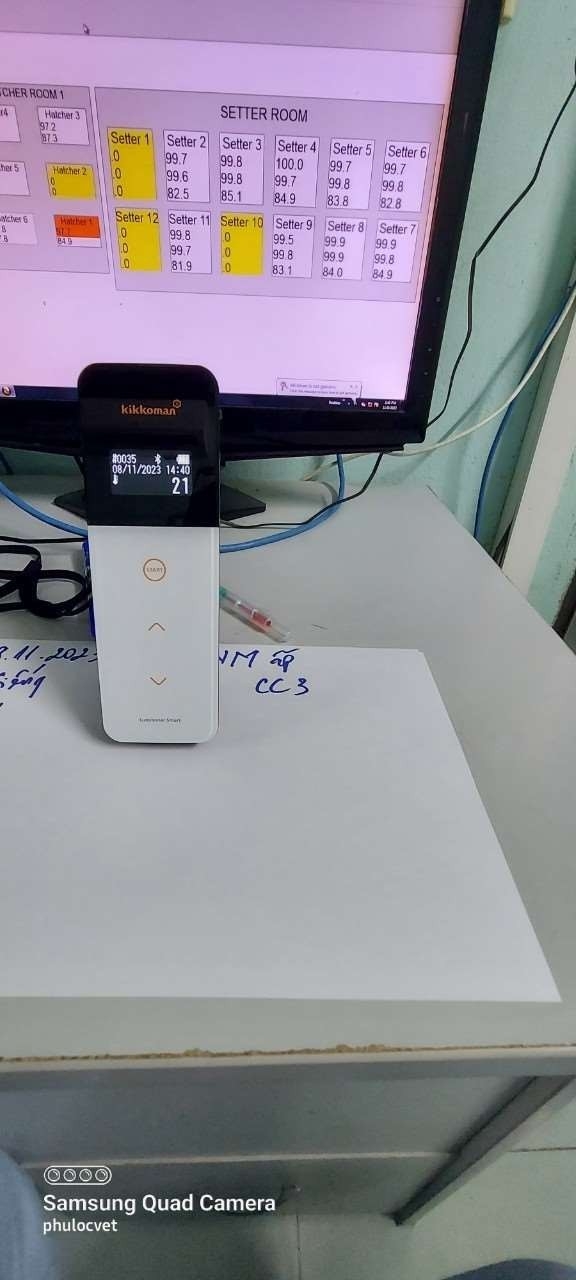
- The Lumitester Smart ATP meter combined with the Lucipac A3 Surface & Lucipac A3 Water allows precise checking of ATP presence in just 10 seconds, giving results as RLU (Relative Light Unit) readings. Based on the RLU threshold set by the user, you can immediately determine how clean or contaminated a surface is, or determine the level of contamination in water.
2. Applications in egg production plants
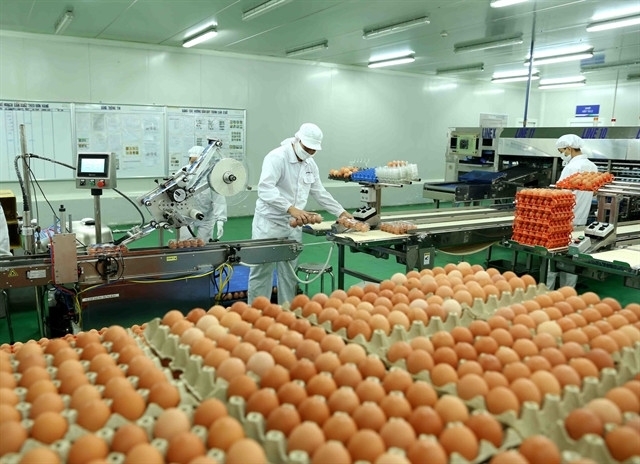
At laying hen farms or egg production plants, ATP testing is applied to:
- Checking the cleanliness of the surface of hen eggs after harvesting.
- Assessing the hygiene of egg washing lines, grading machines, plastic egg trays.
- Checking handles, handheld equipment, egg trolleys and packaging areas.
- Checking after cleaning and disinfection, assessing the effectiveness of the hygiene procedure.
3. Why use an ATP meter to test ATP on hen eggs
- Using the ATP meter (Lumitester Smart) to test ATP on hen eggs is necessary and increasingly common in livestock farming and clean egg production, because it delivers benefits that traditional methods cannot provide in a timely and effective way.
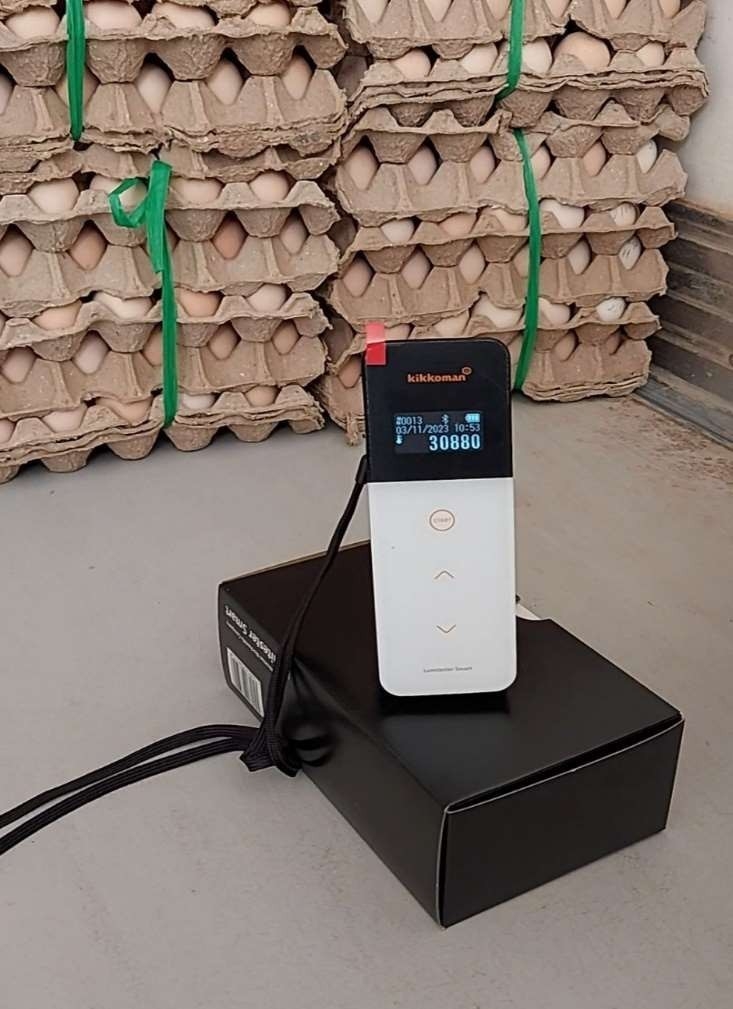
3.1. ATP is a biological marker of contamination
- ATP (Adenosine Triphosphate) is present in all living organisms – bacteria, fungi, animal and plant cells. Detecting ATP on the surface of a hen egg shows:
+ There are living microorganisms or biological residues (faeces, blood, organic matter from cages, human hands, dust, waste).
+ The eggs have not been cleaned effectively, which can allow bacteria such as Salmonella and E.coli to multiply.
👉 So measuring ATP is an indirect way to determine the risk of microbial contamination from eggs
3.2. Rapid detection in 10 seconds – no need to wait for culture
- Traditional microbiological methods (culture, colony counting) take 24–72 hours to produce results.
- Meanwhile, the ATP meter measures in just 10 seconds, giving results directly in RLU (Relative Light Unit).
👉 This is extremely important in continuous production environments, helping the plant to:
- Make an immediate decision: whether re-cleaning is needed or dirty eggs must be removed.
- Prevent the risk of bacteria spreading to other clean eggs
3.3. Eggs are a sensitive surface – easily contaminated
Hen eggs have:
- A porous shell with many small pores, easily contaminated if the surface is not clean
- May carry faeces, feathers and secretions at harvest.
- Easily cross-contaminated through contact with hands, production lines or unhygienic egg trays.
👉 Testing ATP on the eggshell surface helps control hygiene from the start of the supply chain, preventing microorganisms from penetrating the shell into the egg.
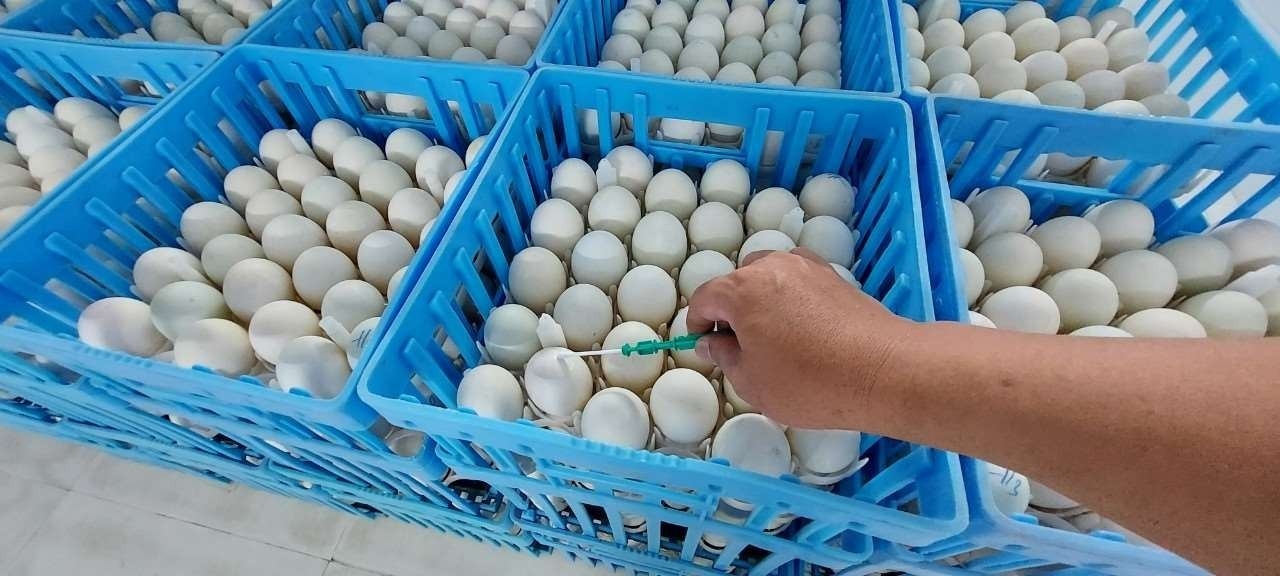
3.4. Real-time assessment of hygiene effectiveness
- After washing eggs, disinfecting or washing workers' hands, the ATP meter immediately shows whether the procedure was effective.
- If RLU is high → you immediately know where it is not clean → you can intervene instantly, without waiting for microbiological results.
👉 This saves time and the cost of defective product, and ensures clean eggs to HACCP and ISO 22000 standards.
3.5. Compatible with Biosecurity management procedures
In modern livestock farming, ATP testing is part of a routine hygiene monitoring system
- Testing after each shift cleaning the production line and egg-contact equipment
- Reporting to track trends weekly and monthly
- Integrating into traceability systems and supplier assessments.
4. ATP sampling procedure on hen egg surfaces
- Sampling on hen eggs helps control contamination from housing, workers' hand hygiene and the effectiveness of eggshell disinfection, which is especially important for eggs that are not heat-treated.
Step 1: Preparation
- A charged Lumitester Smart ATP meter connected to the phone app.
- Lucipac A3 Surface test swabs.
- Sterile gloves and an egg tray.
- Sample labels if routine monitoring is required.
Step 2: Sampling
- Select representative eggs from each harvested batch, making sure the sample size is representative (for example: 5–10 eggs from each area).
- Using the swab supplied in the Lucipac tube, gently swab the entire egg surface, paying particular attention to the top and bottom of the egg, where dirt tends to accumulate.
- Try to swab a standard area with the swab (the whole egg, or a set area if quantitative comparison is needed).
Step 3: Reaction & measurement
- Immediately after swabbing, place the swab tip into the reagent tube, activate it and shake until the powder dissolves completely.
- Insert the tube into the Lumitester Smart ATP meter and press Start
- After 10 seconds, the result appears on the device screen or in the phone app.
Step 4: Assessing results
- Results are expressed in RLU.
- The acceptable RLU level is usually set depending on the required degree of control. For example:
+ <100 RLU: Clean surface, meets requirements.
+ 100–300 RLU: Hygiene needs improvement.
+ >300 RLU: High contamination, the whole system needs re-cleaning.
(Note: the RLU threshold may vary with each plant's internal hygiene conditions)
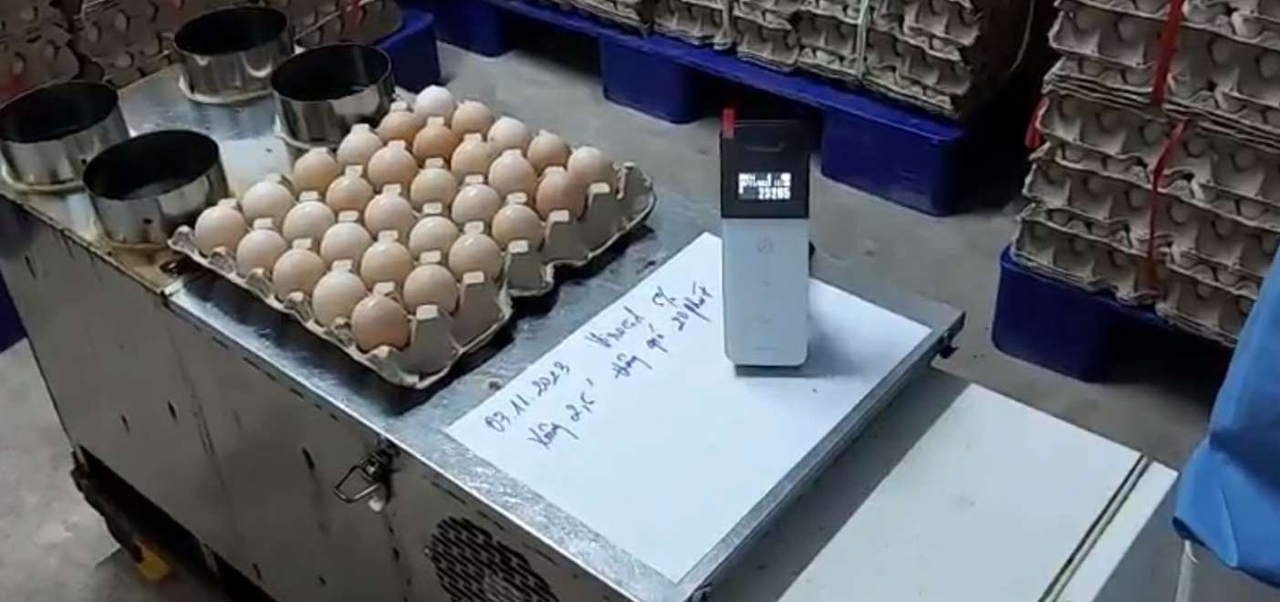
🔍 Why test ATP in drinking water for chickens?
1. Drinking water is the largest source of microbial infection on the farm
- Drinking water systems (pipes, drinkers, water bulbs...) easily form biofilm – where bacteria settle, multiply and infect the chickens' digestive tract.
- Biofilm is not easily removed even with chlorine or routine disinfection.
👉 If not well controlled, microbially contaminated drinking water will:
- Increase the risk of diarrhoea from E.coli and Salmonella infection.
- Cause intestinal stress, reduce nutrient absorption, slow growth and lower egg production.
- Increase the need for antibiotics and reduce the effectiveness of vaccination.
2. Testing ATP in water gives a real-time assessment of hygiene quality
- Testing ATP in drinking water samples reflects the level of organic or microbial contamination in the water system, including biofilm.
- Allows immediate assessment of the water system's hygiene effectiveness, without waiting 24–72 hours as with microbiological tests.
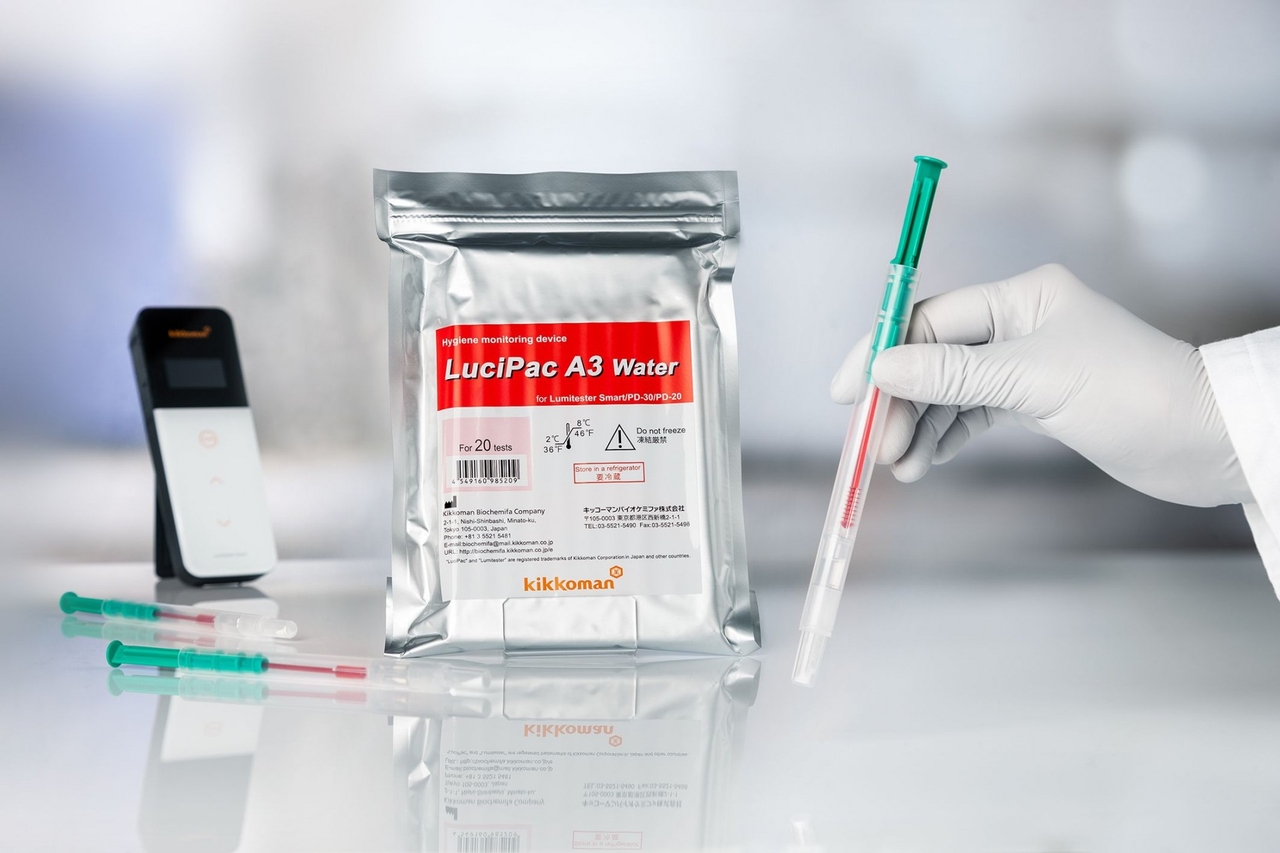
3. Procedure for testing ATP in water for chickens with the Lumitester Smart
🔧 Equipment to prepare
- Lumitester Smart Kikkoman meter.
- Lucipac A3 Water test swabs (for water samples)
- Clean test tubes or sampling cups
- Gloves and sample labels.
🧪 Steps to follow
* Step 1: Collect a water sample
- Take about 1–5 ml of water at a representative point in the water system:
+ Water pipe outlets
+ Drinkers and automatic nipples
+ After the storage tank or water filtration system
- Use clean test tubes or cups with no residual disinfectant.
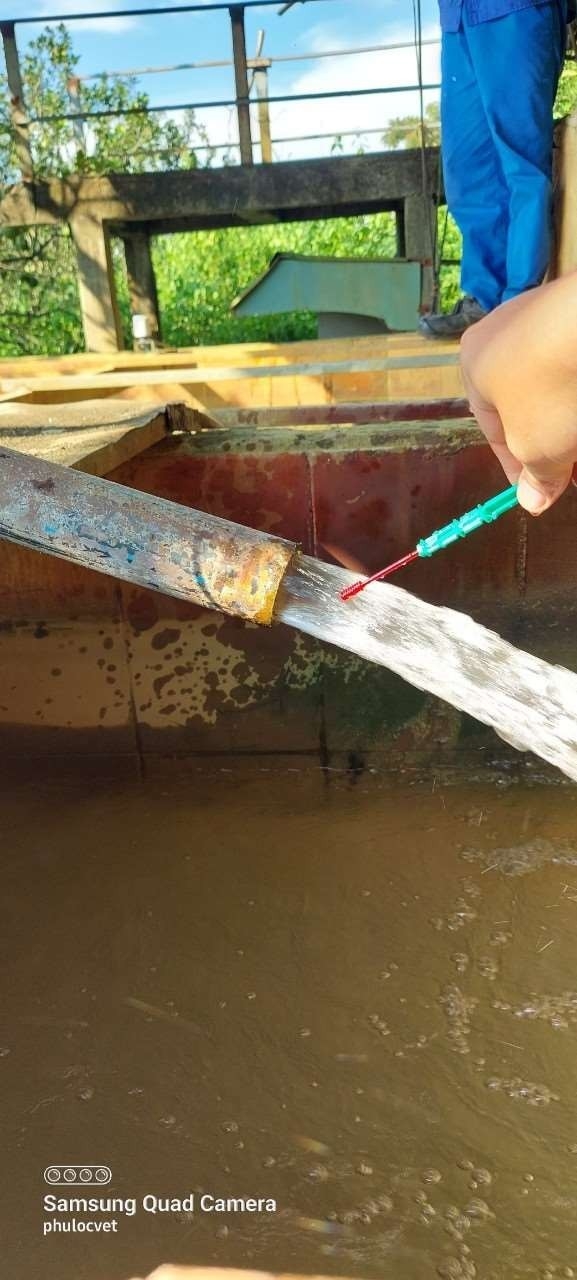
* Step 2: Prepare the measurement
- Open the swab and place the test swab in the water to sample.
- Use the activation stick to dissolve the reagent solids at the bottom of the swab so the reaction solution mixes. Shake the swab until the solids inside have fully dissolved.
* Step 3: Measure with the device
- Place the tube in the Lumitester Smart.
- Press Start; the result appears after 10 seconds.
📊 Assessing ATP Results in Water
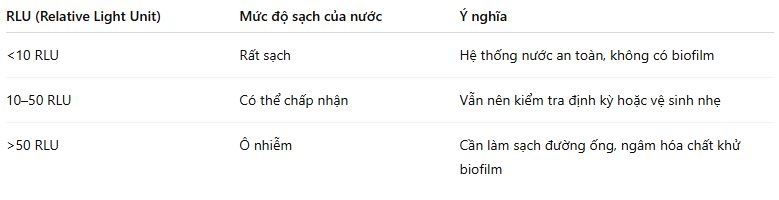
💡 RLU values can vary with each farm's hygiene conditions – what matters is tracking trends over time.
✅ Benefits of testing ATP in drinking water for chickens
- Detect water contamination before it causes disease in poultry
- Help assess the effectiveness of cleaning water pipes and flushing drinkers.
- Reduce antibiotic use thanks to a cleaner environment.
- Improve feed absorption, keeping chickens healthy and growing well.
- Testing ATP in drinking water for chickens with the Lumitester Smart is a proactive, fast and highly effective solution in biosecurity management. Combining ATP testing on egg surfaces, farming equipment and drinking water lets the farm build a comprehensive control system, helping reduce disease and increase livestock productivity.
👉 See detailed product information for the Lumitester Smart Kikkoman ATP meter | surface hygiene testing meter