
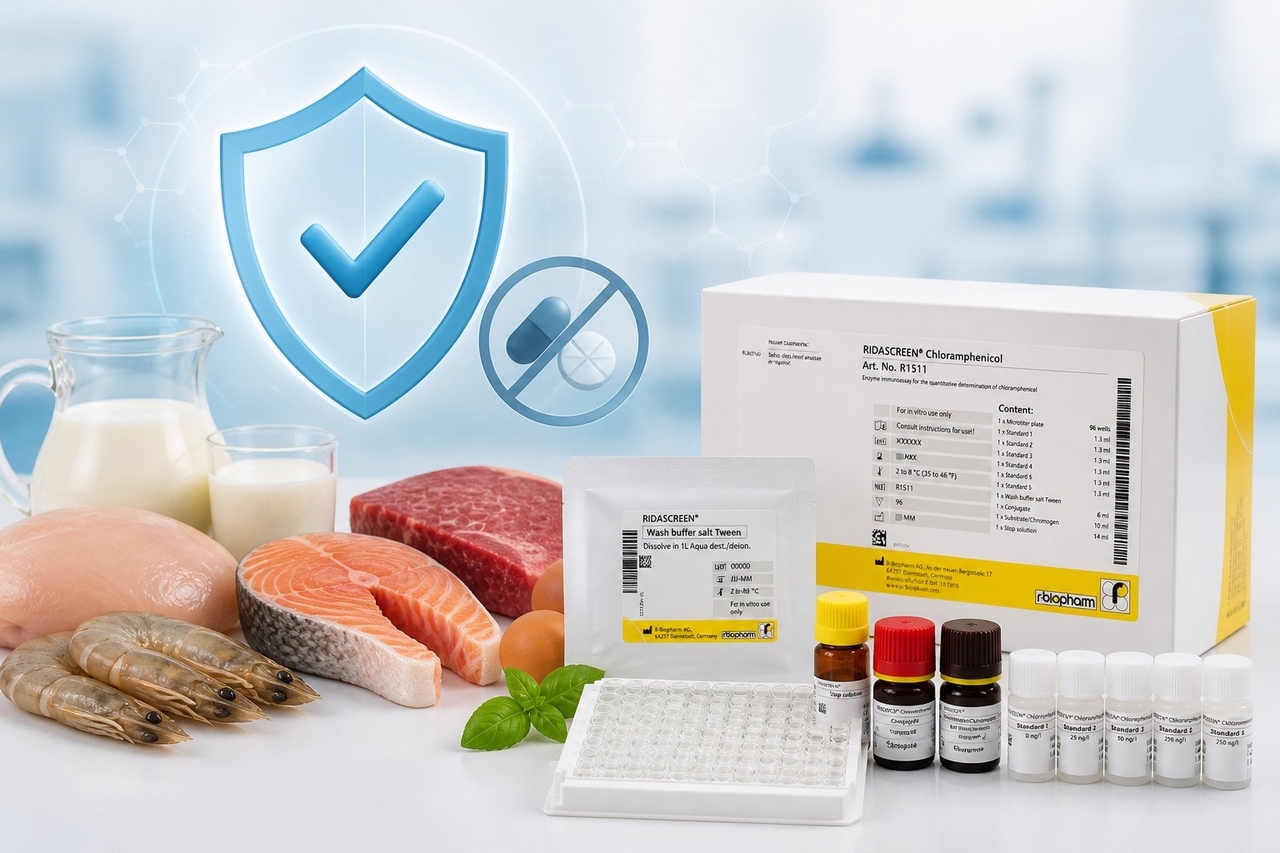
- Antibiotic residues are the antibiotic remaining in food after animal farming and treatment, following
- Foods prone to antibiotic residues include:
- Meat (pork, beef, chicken)
- Milk and dairy products
- Seafood (shrimp, fish)
- Eggs
- Without good control, these residues can exceed permitted limits and cause serious consequences.
The risks of antibiotic residues in food
1. Effects on consumer health
Antibiotic residues can cause:
- Allergies, anaphylaxis
- Gut microbiota disruption
- The most dangerous: antimicrobial resistance – a global problem
When humans absorb antibiotic-containing food over a long period, bacteria become “drug resistant”, making later treatments harder.
2. The risk of returned shipments on export
This is an extremely serious problem for businesses:
- Goods returned for failing to meet standards
- Loss of credibility with international partners
- Logistics and warehousing costs
Demanding markets such as the European Union and the U.S. Food and Drug Administration control antibiotic residues very strictly.
Regulations on antibiotic residues (MRL) in Vietnam and internationally
Today countries apply MRL (Maximum Residue Limit) limits for each antibiotic.
In Vietnam:
- Regulated under the Ministry of Agriculture and Ministry of Health
- Applied to each food group
Internationally:
- The European Commission (EU) has very strict rules
- The Codex Alimentarius Commission sets global standards
👉 Key point: A tiny exceedance can get a lot rejected immediately.
Why do businesses need to test for antibiotics in food?
- Antibiotic testing in food is no longer optional; it is mandatory for businesses that want to survive and grow sustainably.
* Key benefits:
- Early detection of residues above limits
- Controlling quality from the input stage
- Avoiding the risk of returned goods
- Strengthening brand reputation
Why choose R-Biopharm antibiotic tests?
The R-Biopharm antibiotic test kits stand out for:
- High sensitivity, detection at very low levels
- Accuracy comparable to laboratory methods
- Recognized under many international standards
- Wide application: milk, meat, seafood
👉 Especially suited to:
- QC departments
- Food processing plants
- Exporting companies
An effective antibiotic control workflow for businesses
To control antibiotic residues well, businesses should follow this workflow:
1. Test incoming raw materials → use rapid tests
2. Test during production → periodic monitoring
3. Test before shipment → confirm with a rapid test or send to the lab
👉 This model helps:
- Reduce risk
- Save costs
- Speed up shipments
Conclusion
Antibiotic residues in food are among the biggest current risks for the food and export industry. Understanding clearly what antibiotic residues are, complying with regulations and applying rapid antibiotic testing will help businesses:
- Protect consumers
- Ensure product quality
- Avoid financial losses
- Strengthen competitiveness
👉 If you are looking for fast – accurate – economical antibiotic testing in food, the kits from R-Biopharm are a choice worth considering.
👉 See our ELISA antibiotic test kits at the following link:
https://pacificlab.vn/vi/shops/group/phan-tich-du-luong-khang-sinh/