
1. Define the objectives of microbiological testing
- Clearly define the testing objective: check the level of contamination, confirm product quality, or assess shelf life.
- Select the microbiological parameters to be tested that suit the product type (for example: total aerobic plate count, yeast, mold, pathogenic bacteria such as Salmonella, E. coli, etc.).
2. Choose a suitable testing method
- International standards: comply with standards such as ISO 4833-1 (total aerobic plate count), ISO 21527 (yeast, mold), or Vietnamese standards (TCVN).
- Rapid method: use support products such as Shimadzu's Compact Dry plates or PCR equipment to shorten testing time.
- Ensure the testing method is validated and accredited.
3. Set up a microbiological testing laboratory
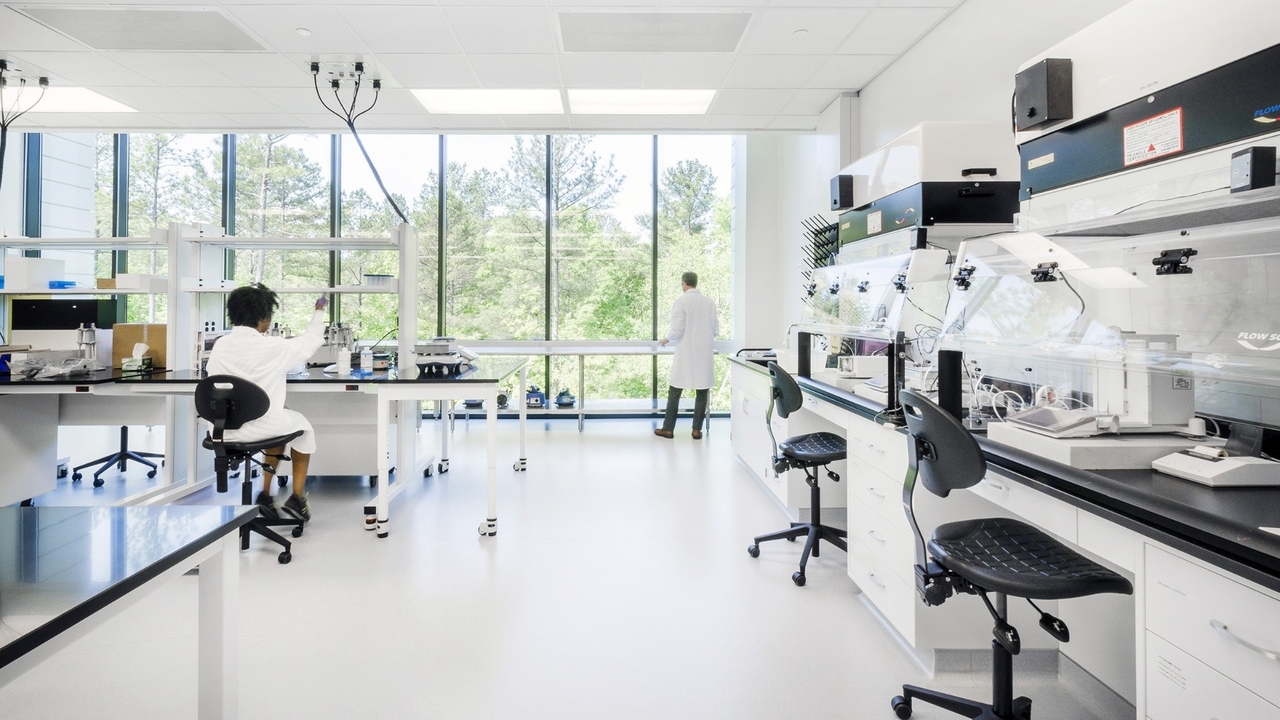
- A microbiological testing laboratory must meet design and operational requirements to ensure the accuracy of results. The company PacificLAB specializes in consulting, designing and building laboratories that meet standards. With many years of experience in microbiology, PacificLAB helps businesses:
- Design plan: ensure the laboratory is designed according to the one-way principle, with separate areas: sample preparation, sample inoculation, sample incubation and sample handling.
- Necessary equipment: fully equipped with laminar flow cabinets, incubators, analytical balances, PCR machines (if needed), and consumables such as pipettes, petri dishes, culture media.
- Environmental conditions: ensure the laboratory has temperature, humidity and ventilation control systems that meet standards.
- Operational training support so that staff can use the testing laboratory effectively
- Businesses can contact PacificLAB for advice on solutions that suit their scale and needs.
4. Build standard operating procedures (SOP)
- SOP must be detailed, covering the steps from sampling, sample preparation, sample inoculation and incubation to reading results.
- Train operating staff in accordance with SOP to ensure consistency and accuracy.
- Periodically review and update SOP to keep up with changes in standards and technology.
5. Quality control in the laboratory
- Equipment calibration: periodically inspect and calibrate equipment to ensure accuracy.
- Control samples: use standard and control samples in each test batch to ensure the reliability of results.
- Environmental monitoring: Perform microbiological testing in the air and on surfaces of the work area.
6. Data management and reporting
- Record test results fully and clearly.
- Store data in a laboratory information management system (LIMS) for convenient retrieval and reporting.
- Regularly analyze data to identify trends or anomalies that could affect product quality.
7. Comply with legal regulations
- Ensure compliance with the regulations of authorities such as the Ministry of Health, the Ministry of Agriculture and Rural Development, or the Ministry of Industry and Trade.
- Be prepared for regular inspections and assessments from certification bodies or regulatory authorities.
8. Investment in technology and training
- Modern technology: invest in advanced microbiological testing technologies to increase efficiency and accuracy.
- Workforce training: organize regular training courses for employees on new testing techniques, legal regulations and troubleshooting skills.
- PacificLAB not only provides microbiology laboratory design solutions but also supports training, supplies equipment and consumables, and provides technical consulting to help businesses operate their testing system efficiently.
9. Cooperate with professional organizations
If a business does not have the resources to build its own testing laboratory, it can cooperate with accredited testing organizations to ensure accurate and timely results.
Implementing microbiological testing effectively not only helps businesses comply with legal regulations but also enhances brand reputation and protects consumer health. Proper investment in people, equipment and processes will bring long-term benefits for sustainable development.
PacificLAB not only provides microbiology laboratory design solutions but also supports training, supplies equipment and consumables, and provides technical consulting to help businesses operate their testing system efficiently.