1. What is ATP?
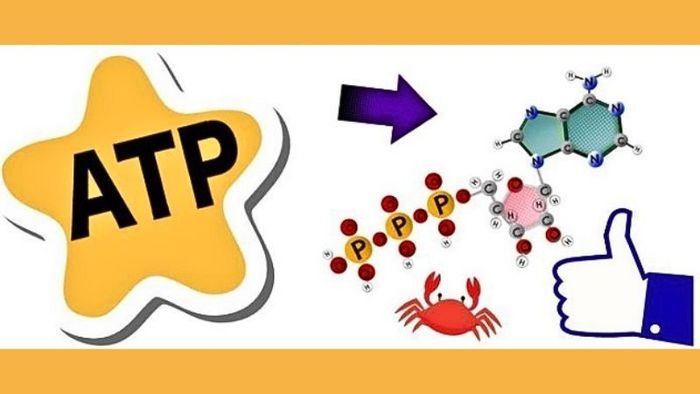
- ATP (Adenosine Triphosphate) is an energy molecule present in all living cells – including microorganisms, plants, animals and humans.
- In other words, any living or biologically residual organic matter (such as food residue, microbial cells, plant tissue…) contains ATP.
- That is why detecting ATP on a surface after cleaning shows that organic matter or biological traces are still present, meaning the surface is not completely clean.
2. How does ATP measurement work?
ATP measurement usually uses an ATP rapid test kit (ATP hygiene monitoring system) consisting of:
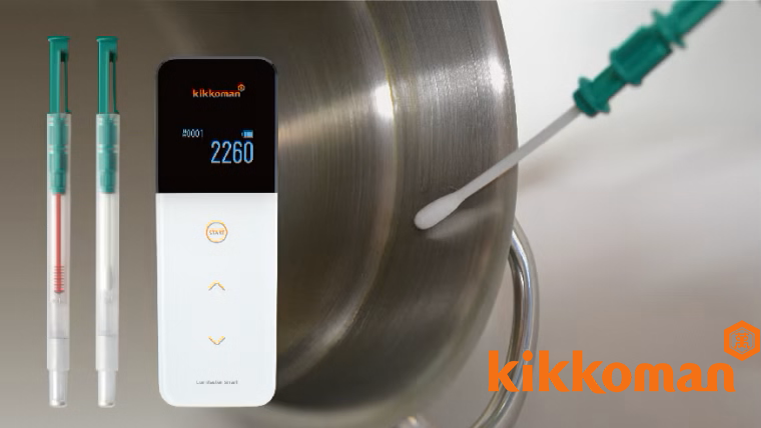
- Swabs to swab the surface to be tested.
- An ATP measuring device (luminometer) to determine the amount of light emitted from the reaction between ATP and the enzyme luciferase – similar to the bioluminescent reaction of fireflies.
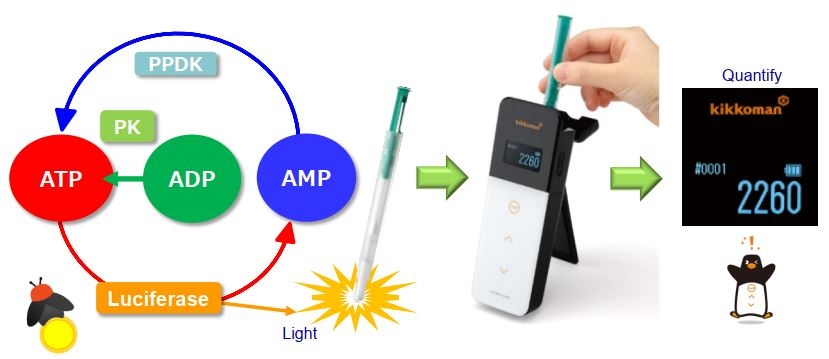
- Results are displayed in RLU (Relative Light Unit).
- The higher the RLU → the more ATP → the dirtier the surface.
- Low RLU → little ATP → a cleaner surface.
- The pass/fail threshold depends on the hygiene conditions or the internal regulations of each organisation or the manufacturer's instructions.
3. Distinguishing ATP measurement from microbiological testing

➡️ Conclusion
- ATP measurement cannot replace microbiological testing; it is only a tool that supports rapid control after cleaning. If the ATP result is high, re-cleaning should be carried out and microbiological testing may be performed to confirm.
4. Practical applications of ATP measurement
- Food & beverage industry: checking work tables, conveyor belts and packaging machines after cleaning.
- Pharmaceutical industry: assessing the cleanliness of compounding, filling and packaging areas.
- Hospitals: monitoring the effectiveness of surface disinfection on medical equipment and hospital beds.
- Restaurants, industrial kitchens: rapid testing of knife, chopping board and food preparation surfaces, and staff hands.
This method helps detect early areas where hygiene does not meet requirements, thereby preventing the risk of microbiological contamination from the start.
5. Summary
- ATP measurement is a tool for rapid assessment of surface cleanliness after cleaning, helping businesses control hygiene quality in real time. However, users need to understand that:
- ATP only reflects the presence of organic matter; it does not identify the type or number of microorganisms.
- To assess actual microbiological safety, it must be combined with microbiological testing by culture methods or PCR.
6. Introduction to the Kikkoman Lumitester Smart ATP measuring device
The company Kikkoman Biochemifa (Japan) – well known in the field of rapid testing – provides the comprehensive ATP measuring device trusted around the world:
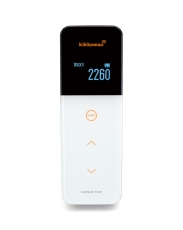
- Compact design, connects via Bluetooth to a phone through the Lumitester App.
- Allows real-time storage, synchronisation and management of hygiene data.
- Results displayed in just 10 seconds.
- User-friendly interface, suitable for food plants, hospitals and processing areas.
* Outstanding advantages:
✅ Rapid testing, no sample incubation required.
✅ Higher sensitivity than traditional ATP systems.
✅ Easy data connection, supporting management of the hygiene system across the whole plant.
👉 See the article ATP measuring device | Lumitester Smart surface hygiene monitoring device | Kikkoman