ELISA assay kit
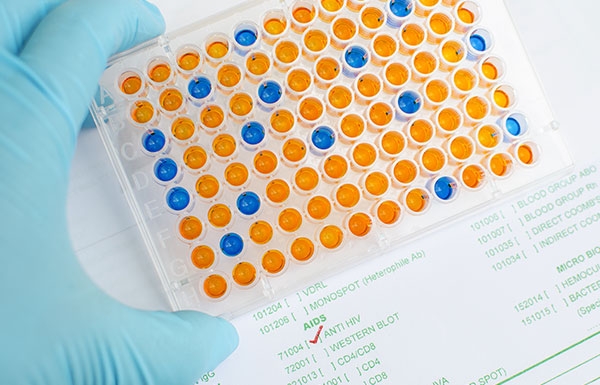
ELISA is a simple detection method that is cost-effective and quite popular on the market today. It is also called an enzyme immunoassay (EIA). This test uses enzymes, antibodies and antigens to determine substances in liquid samples, such as plasma or serum. For solid samples, the analytes are extracted from the sample matrix with a buffer or a suitable solvent and then analysed. (Read more about ELISA techniques and things to note)
In the simplest ELISA process, the analyte is retained on a solid surface. All other substances in the sample are then removed with a wash buffer. This allows the analyte to be separated from the sample matrix. Next, the detection antibody, which by then is linked to an enzyme, is added to form an antibody-antigen complex. The last step is to add a substrate that reacts with the enzyme (on the detection antibody). This reaction usually produces a colour signal and is commonly measured at a wavelength of 450nm.
Many ELISA methods have been developed to meet the need to analyse different targets, such as competitive ELISA, indirect ELISA, sandwich ELISA,… What is the basis for choosing the right ELISA kit you need
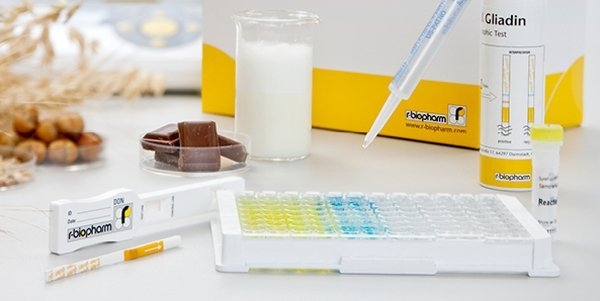
1. Species for which the application has been studied
Test samples usually come from many different sample sources such as mice, rats and humans. These three sources are more common than any others, and finding a set of ELISA kit validated for them is fairly easy. On the other hand, if the sample source is uncommon, such as monkeys, the number of ELISA kit kits available drops. Or for rare samples, you have to choose a kit that has been validated for other related species.
2. Nature of the analyte
For analytes whose nature is protein (typically the allergenic proteins in milk and eggs,…). You must understand their nature before analysing them. A sandwich ELISA kit is generally suitable for detecting large proteins with many epitopes such as cytokines. A competitive ELISA kit, on the other hand, is very suitable for detecting small molecules such as haptens. When analysing substances in plasma by ELISA, you need to read the product instructions carefully to make sure the kit is suitable for your sample. This is because the plasma sample collection method can influence the type of ELISA kit you choose. Other aspects such as the lipid content of the sample, haemolysis,… can also affect the performance of the ELISA test. Lipid content easily causes false positives. With ELISA kits that have no defatting step, your requirements may not be met. Therefore you need to consider these factors before choosing the right ELISA kit for you.
3. A clear analytical purpose
ELISA kits are tools that can be used for both quantitative and qualitative analysis. Quantitative ELISA gives the analyte concentration in the sample through a standard curve, while qualitative ELISA gives a simple negative or positive result for the sample tested. A rapid SARS-CoV-2 (COVID-19) test kit is a typical example of a rapid qualitative ELISA kitYou have to know whether you want to quantify the analyte in your sample or simply detect its absence or presence. A clear analytical goal will help you choose between qualitative and quantitative ELISA.
4. Type of antibody used by the ELISA kit
Different ELISA kits use different antibodies. They can be monoclonal or polyclonal antibodies. In sandwich ELISA, sometimes both are present: a polyclonal antibody for capture and a monoclonal antibody for detection. An antigen that has several points (epitopes) for antibodies to bind to is called a multivalent antigen. Antibodies that bind to the epitopes of a multivalent antigen are called polyclonal antibodies. In contrast to polyclonal antibodies, monoclonal antibodies recognise only one specific epitope on a given antigen. Antibodies are produced by injecting a solution containing the desired antigen into an experimental animal (rabbit, goat, sheep, mouse…). Blood is then taken from the animal and the serum is separated (antiserum).
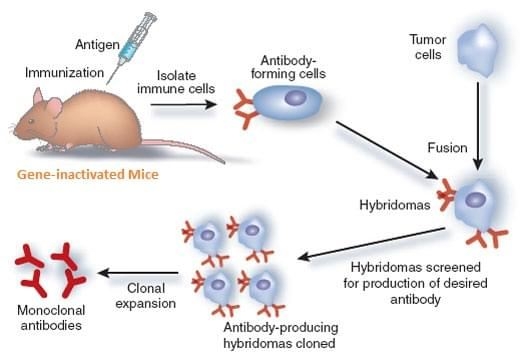
Hybridomas - A method for generating ELISA kit antibodies from mice. Reagents made from monoclonal antibodies give good specificity and high stability. However, cost is also an issue for kits that apply this type of antibody. And not every supplier uses them.
R-Biopharm ELISA kit products always ensure the stability and specificity of the test kit.
5. Required sensitivity of the ELISA kit
If you are not sure at what (approximate) level the analyte concentration in your sample is, some ELISA kits with a wide detection range will meet your needs. However, if the analyte concentration in the sample is too low, choosing an ELISA kit with high sensitivity is the best option.
6. ELISA reader
There are several reading methods in ELISA, such as fluorescence, colour and chemiluminescence measurement. All ELISAs require immobilisation of the analyte on the well surface, a labelled enzyme and a suitable substrate. If you own an ELISA reading system that works by fluorescence measurement, you need to choose an ELISA kit whose mechanism and enzyme produce a fluorescent reaction. The same applies to the other types of reader.
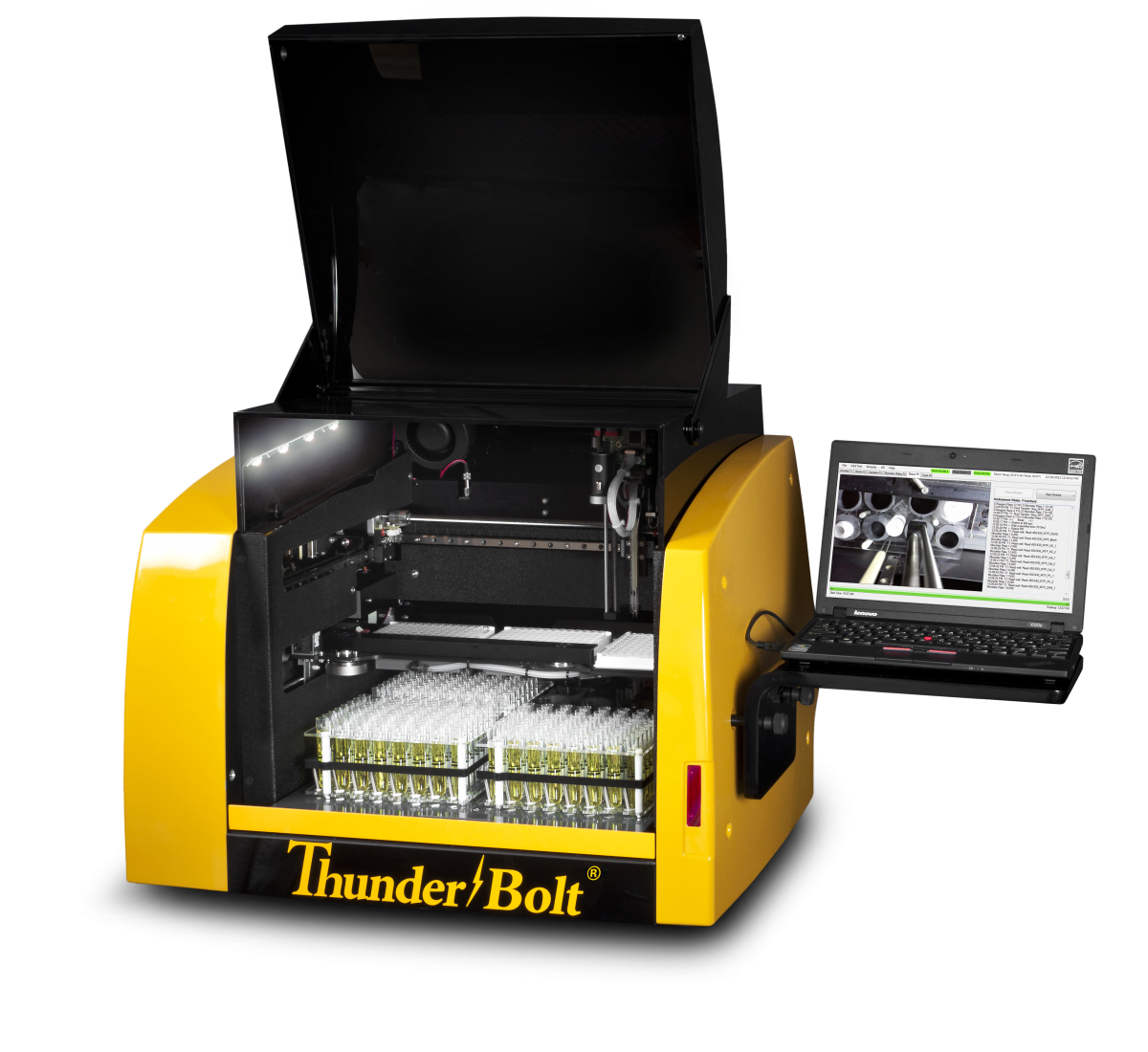
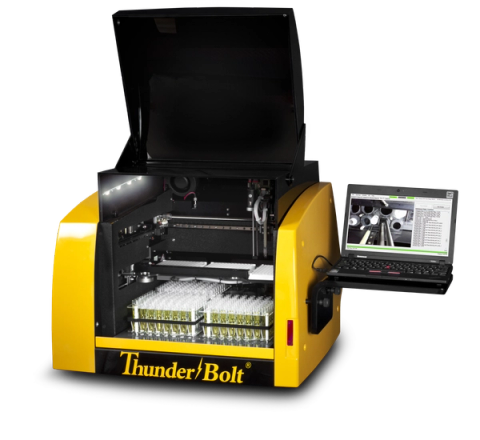
Thunder Bolt automated ELISA device can be equipped with an optional chemiluminescence package that includes a chemiluminescence reader suitable for both the EIA and the CLIA method.
7. Selectivity of the ELISA kit
One of the major limitations of ELISA is cross-reactivity and false-positive results. This happens when the antibodies bind on their own to other molecules instead of the intended analyte. When you are looking for an ELISA kit, remember to check the cross-reactivity data provided by the manufacturer. In cases where your sample matrix regularly contains substances that cross-react with the target you want to test, your measurements will have a low reliability.
8. Based on the literature
The ELISA kit that was used in other studies before and has proved successful can also help you carry out your own testing. If experimental data on that ELISA kit has been reported in the literature, there is a good chance that they are reliable. In addition, kits and manufacturers that hold certifications are also more trustworthy.
9. Sample size
ELISA kits usually require a sample volume from 10 µl to 100 µl of sample. If your sample amount is very small or your sample is very precious, it is better to choose ELISA kits that require less sample.
* Note 1ml = 1000µl
10. Cost
Finally, price is always an important factor in the choice, especially when your budget is limited. ELISA kits are usually 96-well, and there are also kits packaged in a 48-well format. Shipping costs should also be considered if the supplier is far from you.
Above are 9 tips to help you choose the kit that suits you. We hope this article is useful to you. R-biopharm, with many ELISA kits that are AOAC certified and highly stable, is one of the most reliable ELISA kit suppliers. Depending on the purpose of your experiment, you can find the product line you want on our website or contact our sales team for further advice.
PACIFICLAB SCIENTIFIC AND TECHNICAL EQUIPMENT CO., LTD
 | Sales office: 28 Street No. 20, Him Lam Residential Area, Tan Hung Ward, Dist. 7, HCM | ||
 | Telephone: (+84) 28 62 65 46 83 |  | Email: |
| Fax: (+84) 28 62 65 46 93 | sales@pacificlab.vn | ||
Source: www.cusabio.com