An accelerated LC-MS/MS method for 200+ pesticides in challenging fish feed matrix: the StepWave XR ion guide in the Xevo TQ Absolute XR keeps ion ratios stable over 18,000+ injections across 14 weeks of continuous operation.

In this application note we demonstrate a multi-residue UPLC-MS/MS method developed for the determination of 552 pesticides and relevant metabolites in fruits, vegetables, cereals and black tea extracts using ACQUITY UPLC I-Class coupled with Xevo TQ-XS
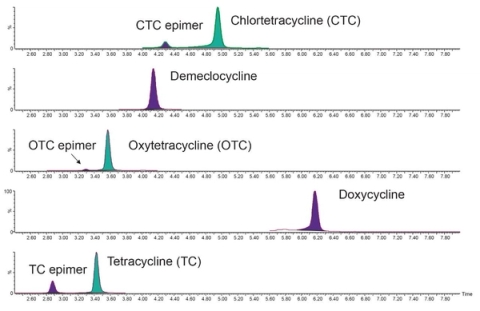
This application note describes the results of a successful validation of the analysis of shrimp tissue for tetracyclines, sulfonamides, trimethoprim, ormetoprim, and dapsone using the Waters ACQUITY UPLC I-Class PLUS System coupled to the Xevo TQ-S micro.

Systematic investigation of mobile phase, pH, and ionic strength effects on the separation of 17 highly polar aminoglycosides on Atlantis Premier BEH Z-HILIC Columns, with Oasis HLB SPE cleanup — a reliable HILIC-ESI-MS/MS method for AMGs in milk, meat, and honey.

Performance evaluation of the Alliance iS HPLC System with AccQ•Tag Ultra Derivatization Chemistry for quantitation of amino acids in dietary supplements: high sensitivity, reproducible retention, and a turnkey workflow for regulated laboratories.
Controlling mycotoxin levels plays an important role in ensuring food safety, product quality and meeting regulatory testing requirements.
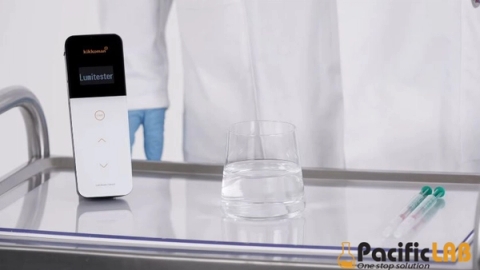
How can you tell whether a CIP process has cleaned effectively and reduced the risk of residues after cleaning? ATP testing is a quick way to assess the cleanliness of surfaces and equipment.

In the food industry, hygiene control is not only a mandatory requirement but also a decisive factor in product quality, brand reputation and the ability to meet food safety standards.
One of the solutions used to improve sample preparation efficiency is the IAC (Immunoaffinity Column). But the question is: does it increase costs or actually save them over time?

In the food, beverage and livestock industries, rapid microbiological testing by PCR is becoming the trend replacing traditional culture methods.

In the food and beverage industry, rapid food microbiological testing is a critical factor in ensuring product quality and brand reputation. Traditional culture methods usually take 2–5 days to produce results, causing delays in production and export.

Sesame allergen testing is increasingly of interest to food companies, especially for products exported to markets with strict requirements for allergen declaration and control.
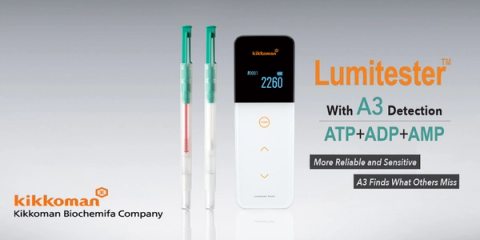
In the post-Covid-19 context, safety and hygiene requirements in the F&B and processing industries have grown ever stricter. Consumers care more than ever about clean production environments, transparent quality-control processes and the ability to prevent contamination risk
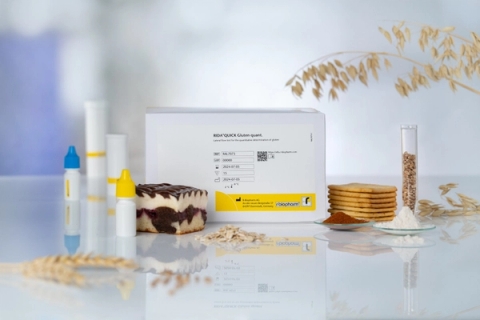
Gluten is a group of proteins found in cereals such as wheat, rye and barley. For people with celiac disease or gluten-related problems, consuming gluten above the permitted threshold can cause adverse reactions.

This article covers how Kikkoman ATP measurement principles differ from other manufacturers on the market.
Mycotoxins are among the important hazards for food and feed safety.

In mould toxin analysis, the IAC column is an important tool for cleaning up samples, removing impurities and improving accuracy before analysis by HPLC or LC-MS/MS.
In food manufacturing, allergen control does not stop at checking incoming raw materials or product labelling. One of the risks that is often overlooked is allergens remaining in the equipment system after the CIP (Cleaning In Place) process.
In a food plant, allergen control does not stop at checking incoming raw materials. Sampling for allergens at locations at risk of cross-contamination is an important part of the sanitation and food safety control programme.
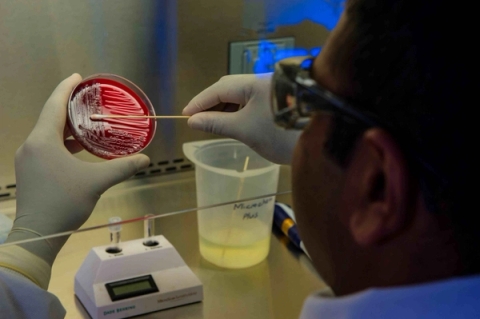
Discover the 5 common mistakes when using traditional culture media in microbiological testing and the rapid microbiological testing solution gi
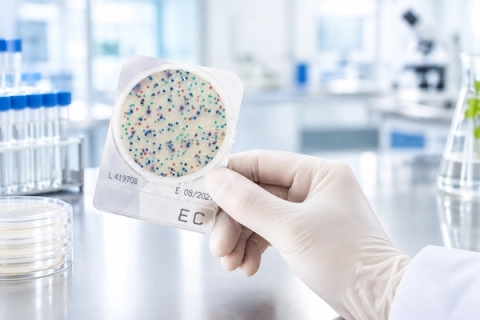
How to reduce microbiological testing costs by up to 50%? An optimal solution with the Shimadzu Compact Dry plates
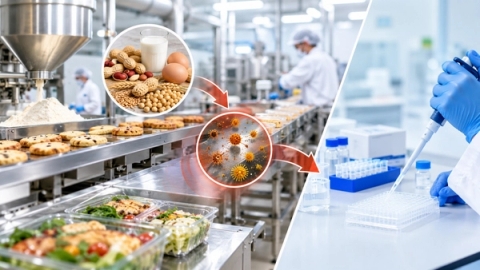
Food allergen cross-contamination is a food safety risk that production businesses easily overlook. A product may not use allergenic ingredients directly, yet can still contain allergens through cross-contact during production, cleaning, storage or transport.

Food allergen control is one of the key requirements for food production and processing businesses. Even a very small amount of allergenic protein left in ingredients, equipment or production lines can become a risk for sensitive consumers.

Can the ATP test completely replace microbiological testing? The truth businesses need to know

The immunoaffinity column (Immunoaffinity Column – IAC) is one of the important solutions in the workflow for mycotoxin analysis in food, agricultural raw materials and feed.
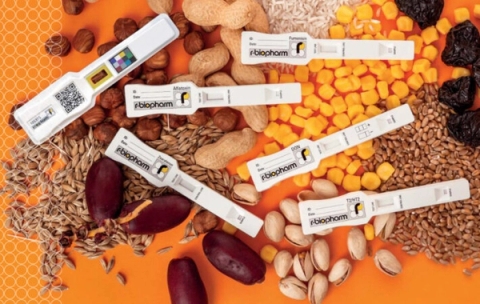
Mould toxins (mycotoxins) are one of the key hazards for raw materials and animal feed, especially in hot and humid climates.

How to cut microbiological testing costs by up to 50%? The optimized answer is Shimadzu Compact Dry plates. This article covers both questions.
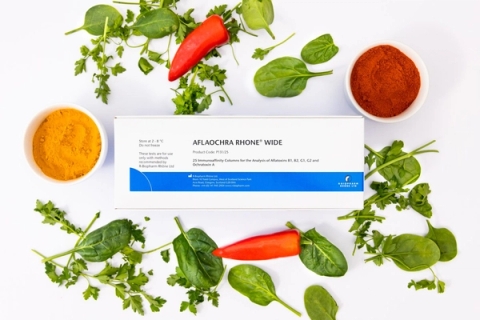
The multi-mycotoxin immunoaffinity column (Multi-Mycotoxin Immunoaffinity Column – IAC) is a solution used to clean up and concentrate samples before mycotoxin analysis by HPLC or LC-MS/MS.
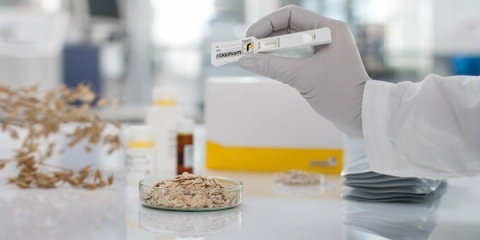
Mycotoxin rapid tests and immunoaffinity columns are both popular solutions for testing mycotoxins in food and animal feed.
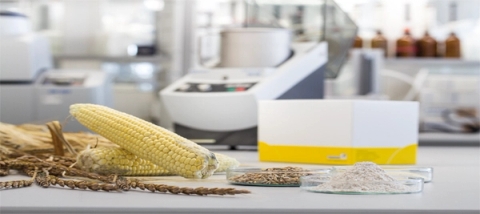
Mycotoxins are one of the most important topics in food safety. However, analysis poses several challenges for laboratories because detection is a difficult task, and sometimes mycotoxins are not detected. These are the biggest challenges in mycotoxin analysis – and how to master all of them.
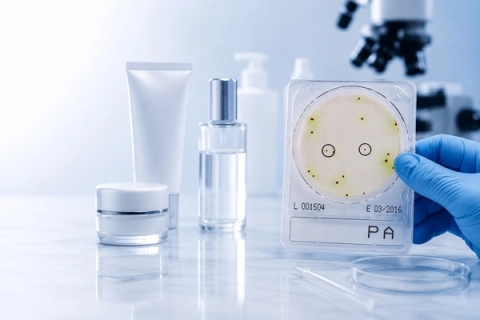
In the cosmetics industry, product quality is judged not only through its effectiveness but also depends heavily on the level of microbiological safety.

In many food, drinking water, industrial kitchen or manufacturing plants, hygiene evaluation is still mainly based on visual assessment.

The GMO PCR kit is a testing kit that uses the PCR (Polymerase Chain Reaction) method to detect genetically modified DNA in food and raw materials

As businesses face increasingly strict demands for food safety, hygiene control, and prevention of microbial contamination, applying rapid, accurate, and reliable testing methods is becoming an inevitable trend.

The Compact Dry plate is a pre-designed dry microbiological culture medium that enables rapid microbiological testing without preparing media or using an autoclave.
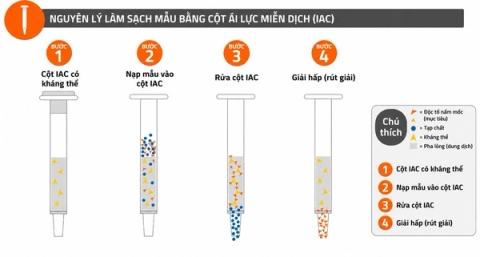
In food and feed testing, R-Biopharm immunoaffinity columns (IAC) are regarded as a leading solution for improving accuracy in mycotoxin analysis workflows.

In microbiological testing of food, drinking water, pharmaceuticals and animal feed, choosing the right culture method directly affects cost, turnaround time and laboratory operating efficiency.
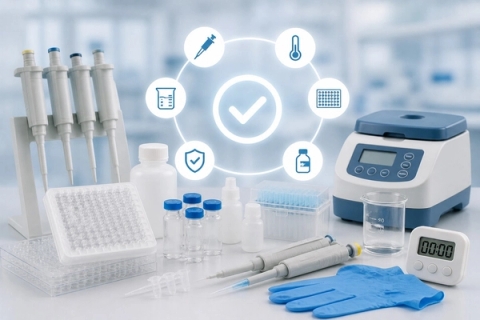
In vitamin testing in food, choosing the right method alone is not enough.

Honeywell Advanced Materials has officially become Solstice Advanced Materials after Honeywell completed the process of separating its Advanced Materials division into an independent company on 30/10/2025.

Should you choose rapid tests, ELISA, or LC-MS/MS?
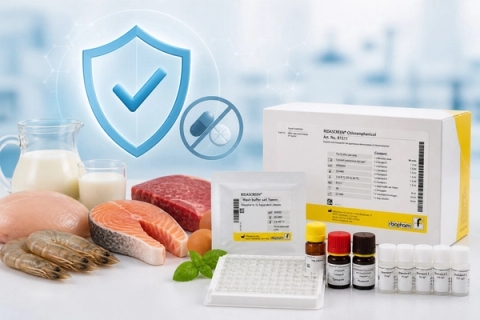
What are antibiotic residues? This is a question many food, seafood and dairy businesses care about today.
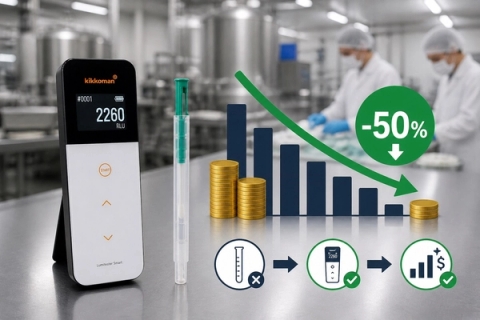
Why are hygiene testing costs rising?
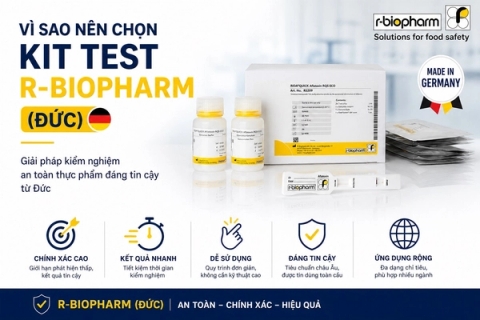
As food safety requirements tighten, choosing a reliable test kit has become a matter of survival for manufacturers, exporters and QC teams.
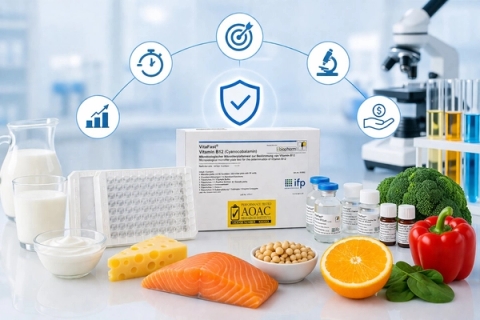
As the food, dairy, and functional food industries tighten quality requirements, vitamin content testing is no longer an option but has become a mandatory requirement.
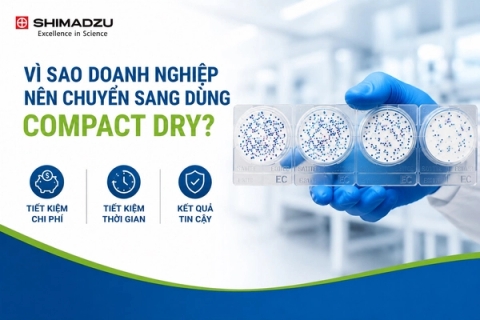
As businesses focus more and more on food safety, microbiological quality control, and operating cost optimization, choosing the right testing method is the key factor.
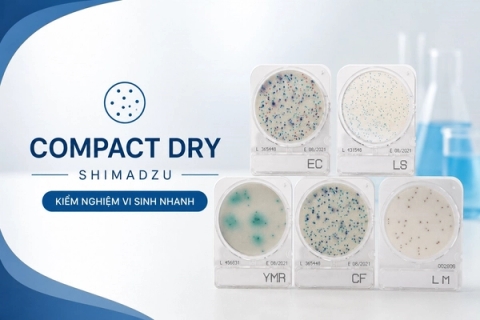
In the field of microbiological testing of food, water, pharmaceuticals and cosmetics, choosing a fast, accurate and cost-effective analytical method is becoming increasingly important. The plate

In the food, beverage, seafood or pharmaceutical industry, microbiology testing time plays an extremely important role.
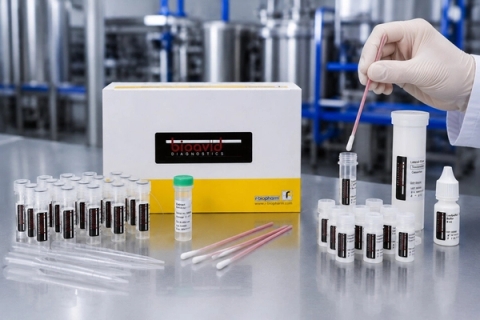
In food manufacturing, allergens are one of the leading causes of product recalls and serious consumer health impacts.
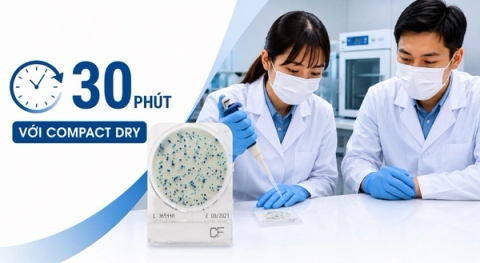
In many QC rooms and food laboratories, training new staff usually takes from a few days to a few weeks. The reason is that staff must learn how to prepare media, sterilize tools, pour agar, handle samples, and read microbiology results.

In industries such as food, drinking water, restaurants and hotels, ATP testing is not only about “checking whether it is clean or not” but also:
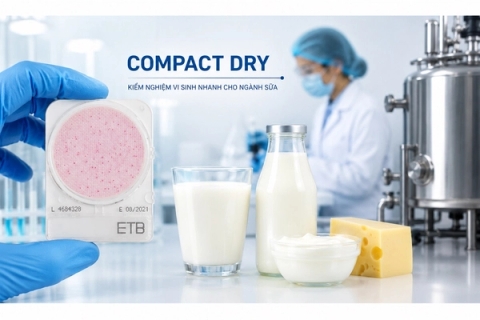
The dairy industry is one of the food industries with the strictest microbiological control requirements.
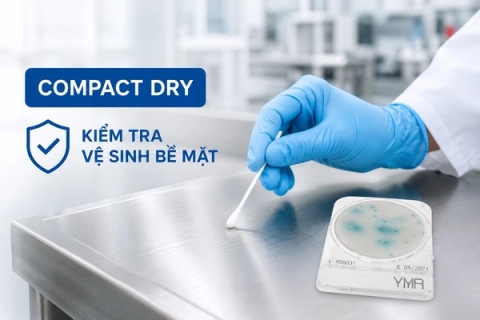
In food, beverage, dairy, seafood, cosmetics and pharmaceutical factories, testing the hygiene of production surfaces is an important part of the quality management system

In food, drinking water, cosmetics, and animal feed microbiology testing, speed and accuracy are always important factors.

In the bottled water industry, microbiological quality is a decisive factor for brand reputation and consumer safety.
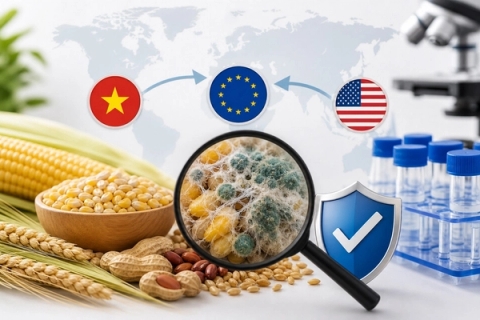
Mycotoxins (mold toxins) are toxic compounds produced by molds, commonly found in cereals, nuts, coffee, spices, and animal feed.

In food, pharmaceutical production environments, hospitals or laboratories, air quality plays an extremely important role. Microorganisms in the air can be a source of cross-contamination, affecting product quality and user health. Therefore, applying methods for testing microorganisms in the air is a necessary requirement to assess the level of cleanliness and safety of the environment.
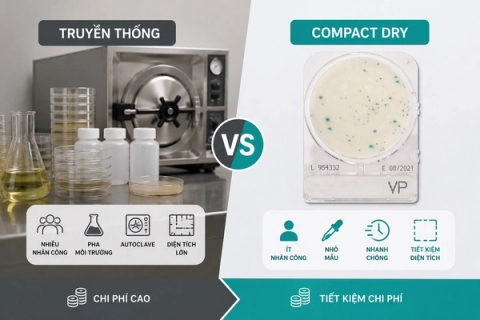
With operating costs rising, food, beverage, seafood factories, and testing laboratories are looking for solutions that reduce microbiology testing costs while still ensuring accuracy and international standard compliance.
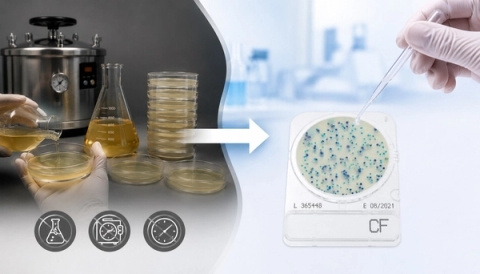
In recent years, more and more food, beverage, seafood, and animal feed factories have chosen Compact Dry plates to replace the traditional agar culturing method.
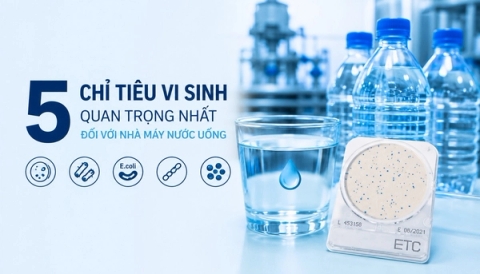
In the bottled water, purified water, and mineral water industry, microbiological quality is one of the decisive factors for product safety.
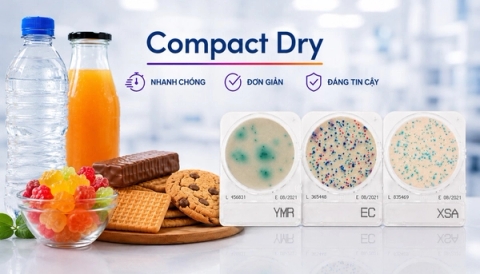
Compact Dry In Confectionery And Beverage Production: A Fast, Accurate, And Cost-Saving Microbiological Testing Solution
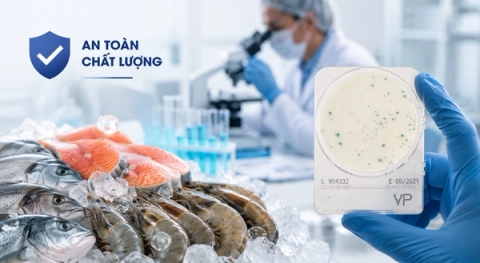
Microbiological testing in the export seafood industry: a vital factor for meeting international standards
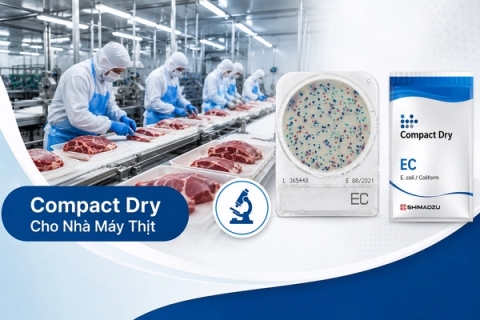
Compact Dry applications in meat processing plants: a fast and effective microbiological testing solution.

In food, beverage, cosmetics, and pharmaceutical microbiology testing, Compact Dry is increasingly chosen by businesses for its convenience, high accuracy, and cost savings.
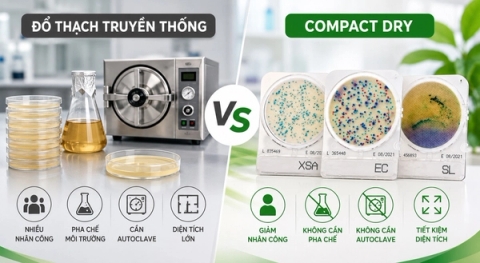
Many food, beverage, cosmetics and pharmaceutical businesses look only at the price of culture media when assessing microbiological testing costs

In the food, beverage, bottled water, cosmetics, and animal feed industries, microbiology testing is mandatory to ensure product quality and legal compliance.
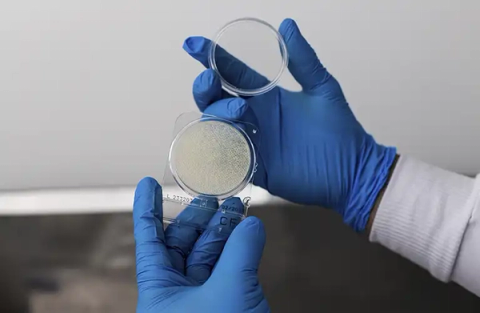
In the food, pharmaceutical and cosmetics industries, where microbiological safety is receiving increasing attention, simplifying and automating microbiological testing is becoming an inevitable trend.
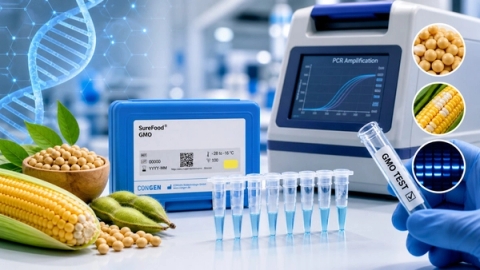
GMO (Genetically Modified Organism), also called genetically modified food, refers to organisms (plants, animals, or microorganisms) whose DNA structure has been altered with modern biotechnology.

In the F&B and hospitality industry, food and environmental hygiene is a matter of survival. Just one small mistake can:
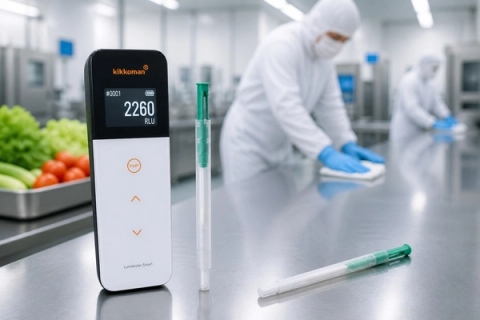
In the food, drinking water, pharmaceutical and processing industries, compliance with hygiene HACCP and ISO standards is mandatory to ensure product safety.
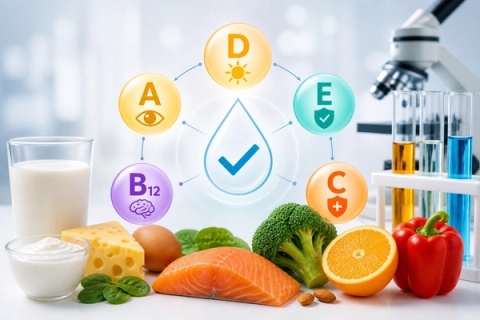
Vitamins in food & dairy: which tests matter most?
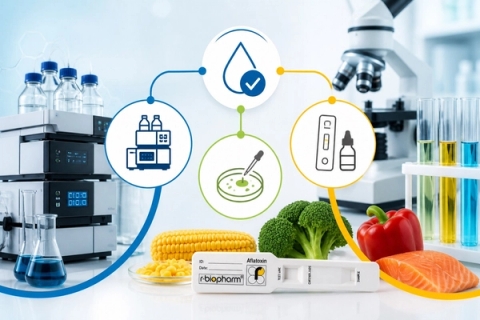
Common vitamin analysis methods today: HPLC, microbiological test, and test kit.
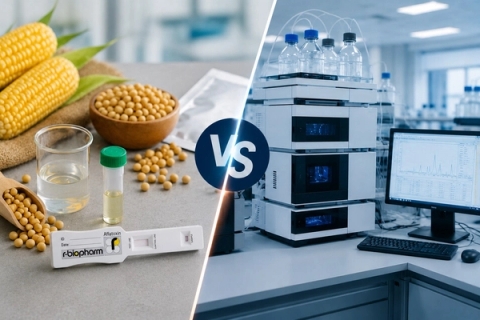
Mycotoxin is one of the important parameters in food and animal feed safety control.
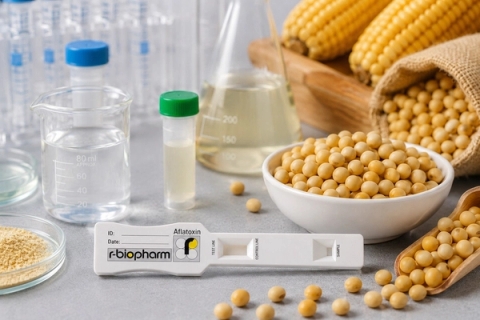
R-Biopharm is one of the world-leading suppliers of rapid mycotoxin test kits with high accuracy, easy to use, and suitable for many fields such as food, animal feed, cereals, coffee, and spices.

In food, beverage, pharmaceutical, or cosmetics production, hygiene control is not only a mandatory requirement but also a factor that determines profitability. However, many businesses still neglect it and pay the price with enormous costs they sometimes fail to notice.

Mycotoxins (mold toxins) are toxic compounds produced by molds, commonly found in cereals, beans, coffee, cocoa, spices, and animal feed.
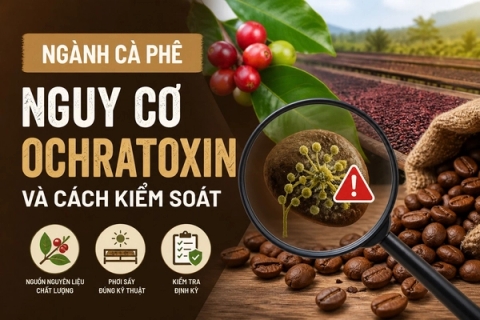
Ochratoxin A (OTA) is a dangerous mold toxin, usually produced by fungi such as Aspergillus ochraceus and Penicillium verrucosum.

In the food industry, especially dairy, beverages and seafood, microbiological control is the decisive factor in product quality and safety.
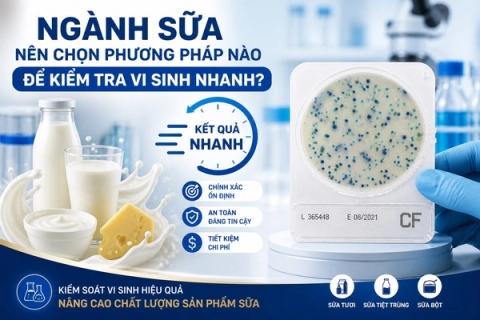
Why is microbiological testing important in the dairy industry?
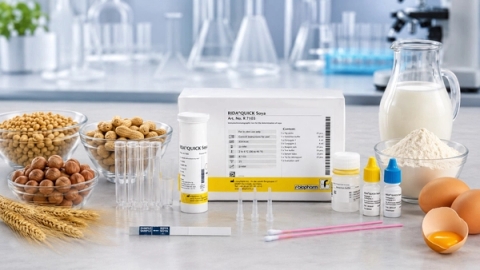
In today's food industry, food allergen control is no longer a choice but has become a mandatory requirement for food manufacturing, processing and export businesses.
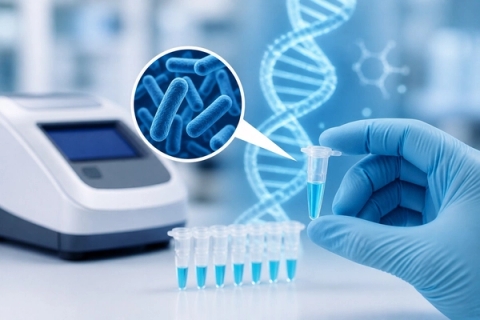
In food safety, microbiological molecular biology methods are techniques that use genetic material (DNA/RNA) to detect harmful microorganisms.
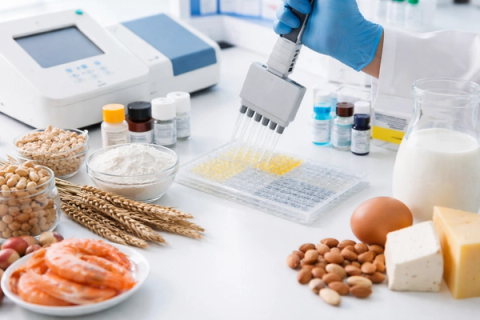
With an increasing number of people suffering from food allergies and increasingly stringent food safety regulations, controlling allergens in products is a mandatory requirement for manufacturers and processors.
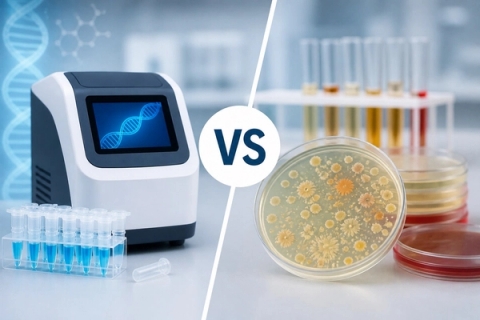
In testing, the two most common methods today are: traditional microbial culture, and the molecular biology method PCR (Polymerase Chain Reaction)
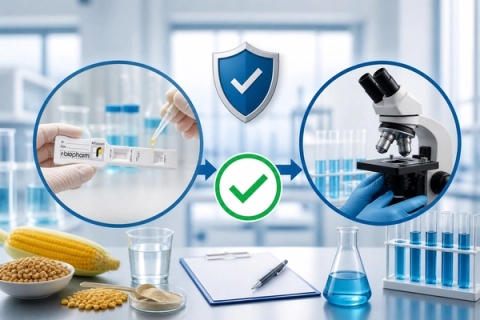
With increasingly stringent quality control requirements, especially in the food, beverage, and animal feed industries, rapid on-site testing before sending samples to a laboratory is becoming an inevitable trend.
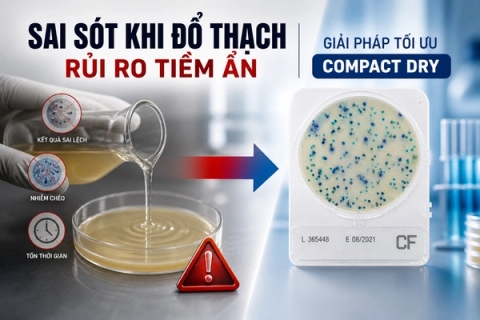
In the traditional microbiological testing workflow, the agar pouring step looks simple but is the cause of a great many mistakes.

Functional foods – the mounting pressure of "matching the declaration".
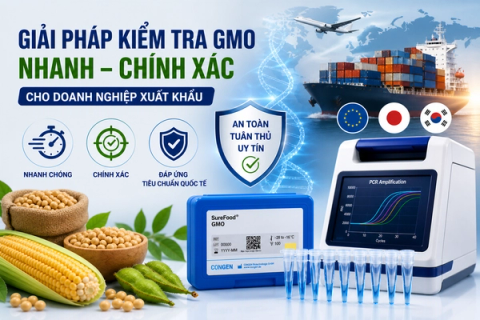
A fast, accurate GMO testing solution for export businesses. What should businesses do to control GMOs when exporting?
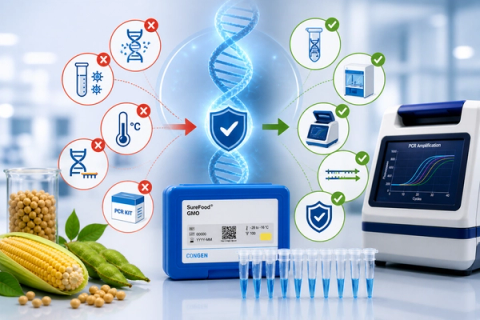
The article below lists the common mistakes when testing GMO by PCR and clearly explains the fixes.
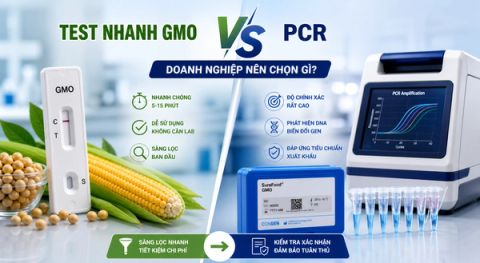
Comparing 2 methods, GMO rapid test and PCR – What should businesses choose? This article will focus on clarifying this issue.
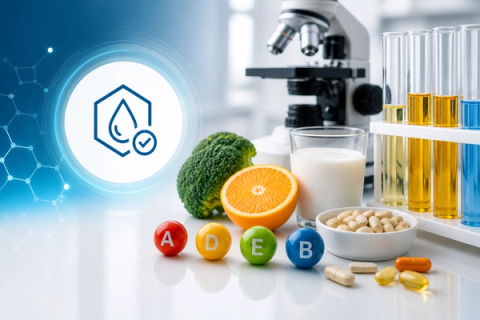
In the food, dairy, functional food, and animal feed industries, vitamins are always the important parameter that determines product quality and nutritional value.
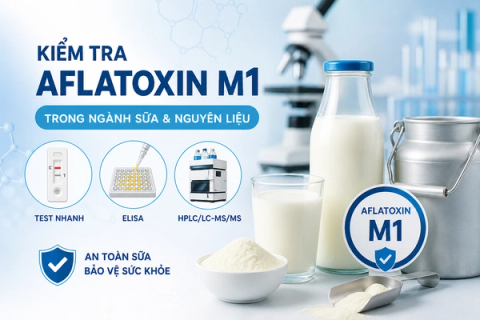
Aflatoxin M1 in milk: the hidden hazard and an effective control solution for the dairy & raw materials industry.
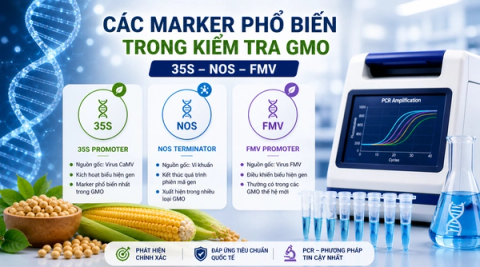
Common markers in GMO testing: what are 35S, NOS, FMV?
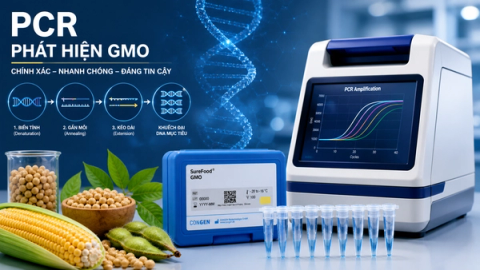
How does the PCR method for GMO detection work? An accurate testing solution for businesses. This article will highlight these two issues.
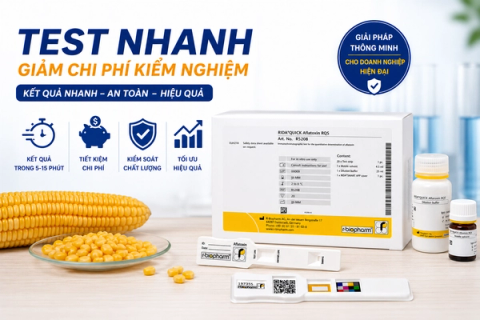
As food, feed and agri-product businesses face ever more pressure on quality control, optimizing testing costs is an important problem to solve.
In the context of increasingly strict food safety control, analyzing mold toxins (mycotoxins) demands high accuracy and reliability
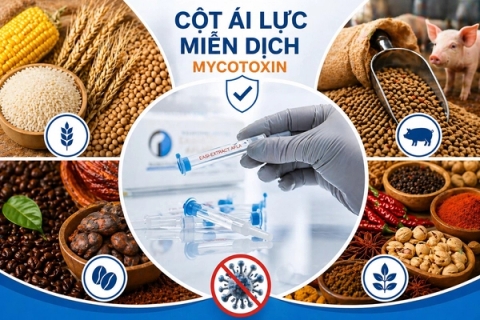
As safety standards tighten, testing mycotoxins in food and testing mold toxins in animal feed is no longer optional — it is mandatory.

In a rapidly globalizing context, mycotoxin control is becoming one of the survival factors for food businesses.
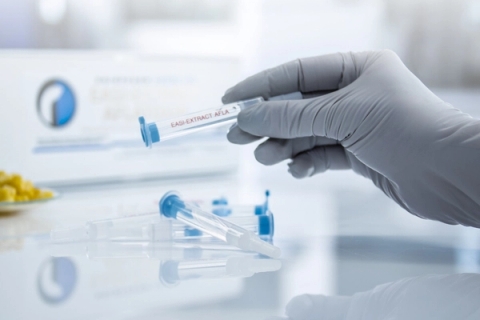
In food and feed safety testing, detecting mold toxins (mycotoxins) with high accuracy is a mandatory requirement.

In the context of increasingly strict hygiene control, choosing the best ATP meter not only helps businesses assure quality but also optimizes operating costs.

In the F&B and hospitality industries, hygiene standards not only affect the customer experience but also determine brand reputation.

In industries such as food, pharmaceuticals, cosmetics or industrial manufacturing, factory hygiene control is the deciding factor for product quality and business reputation.

In the context of many small laboratories, startups, or food–beverage–cosmetics production facilities that do not have the conditions to invest in a standard microbiology laboratory yet
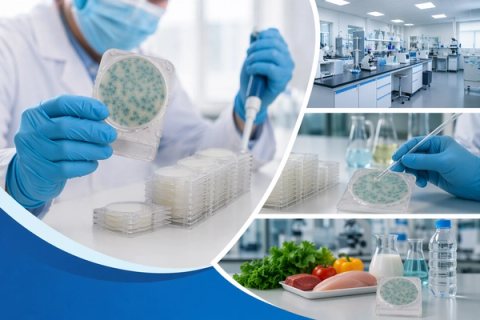
In the context of increasingly strict microbiological testing, demand for genuine Compact Dry products at good prices with technical support is rising sharply.

One of the most pressing concerns for farmers, food producers, and regulators is deoxynivalenol (DON) contamination — a common mycotoxin that threatens the health of both humans and animals.
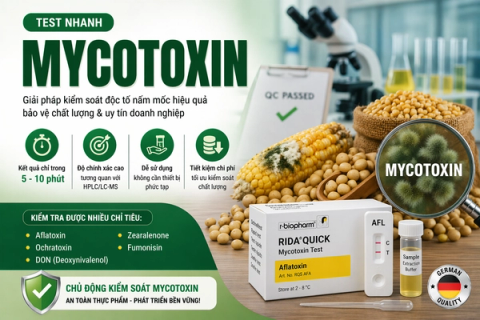
Rapid mycotoxin testing in 10 minutes – controlling mold toxins effectively with R-Biopharm kits
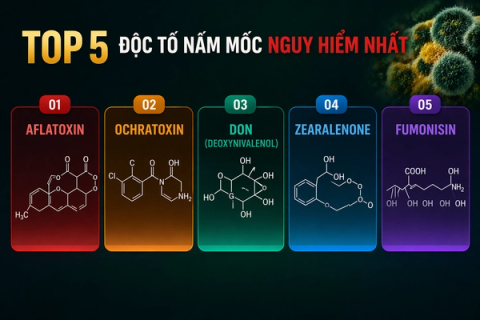
The top 5 most dangerous mycotoxins in food & feed — a control businesses are required to have

This article introduces the test kits used to analyze foods that must be free of the milk allergen.

Learn the 5 reasons modern laboratories switch to Compact Dry plates instead of traditional media in microbiological testing to save t
Learn the solution for controlling Coliform in bottled water with Compact Dry EC and Compact Dry CF plates, and the membrane filtration method that makes microbiological testing fast, accurate, and effective.
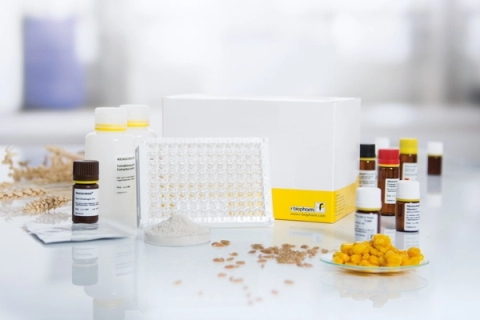
The mycotoxin ELISA test is a fast and accurate testing method, widely used in food safety testing, especially to detect dangerous toxins such as aflatoxin, ochratoxin, DON, fumonisin…
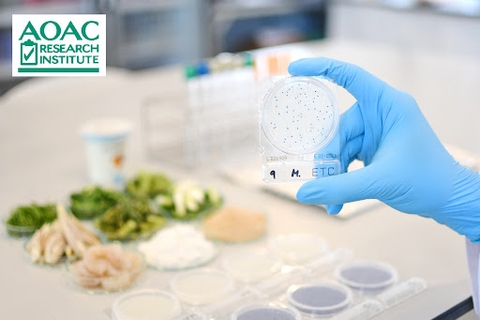
Is Compact Dry accurate? Let's analyse real-world data and compare it with traditional microbiological testing to assess reliability.
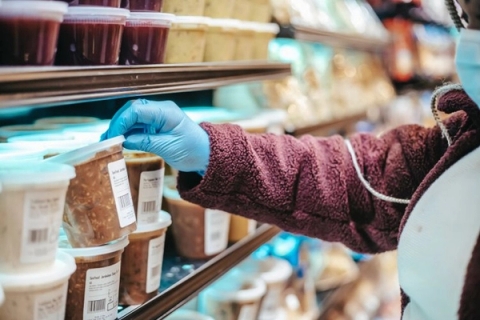
Find out why slow microbiological testing causes financial losses for businesses, and how the fast Compact Dry microbiology solution optimizes time and costs.
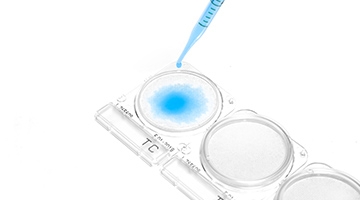
Are you facing these problems in microbiological testing?

Foods such as infant formula, baby food and milk-based drinks are often fortified with vitamins. Because manufacturers must ensure that the vitamin level stated on the label is actually present in the product, determining the vitamin content is very important. A new affinity column makes your vitamin analysis more efficient and convenient.

June 1 is World Milk Day: a good reason to learn more about this delicious drink, a very nutritious beverage but also an ideal place for harmful microorganisms to grow.
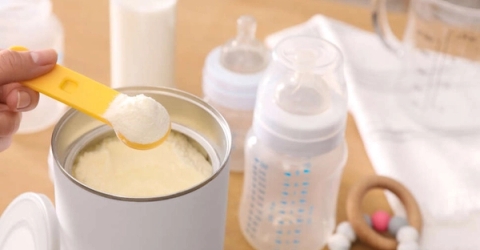
Cereulide toxin in milk — an overlooked hidden hazard.
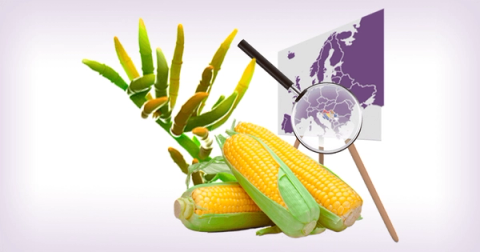
Mycotoxins are naturally occurring toxic compounds produced by molds and can contaminate a wide variety of agricultural products, including cereals, nuts and feed.
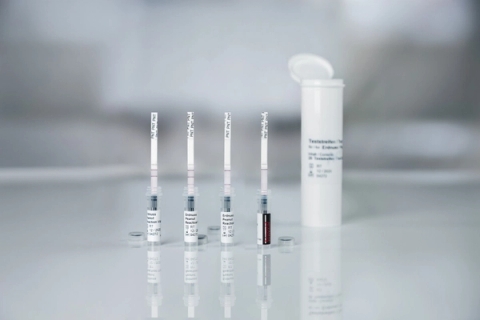
In the process of controlling allergens in food, what is called the "Hook Line" effect, also known as the hook effect, can occur. But what does the hook effect mean for allergen detection, and what are the possible consequences for the test results?
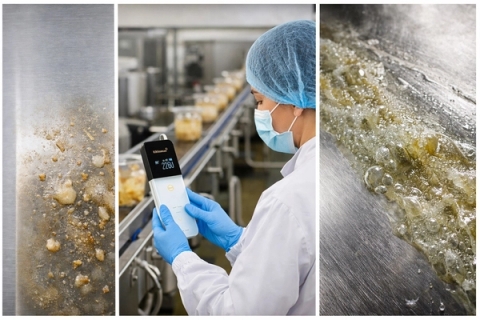
In many food, beverage, pharmaceutical plants and laboratories, cleaning staff usually consider a surface clean when no dirt is visible to the naked eye.
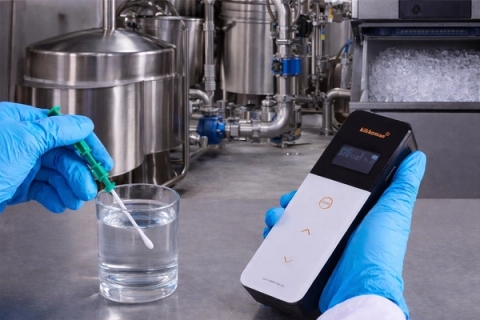
In many industries such as food, beverages, pharmaceuticals, seafood, and ice production, water is a key factor directly affecting hygiene safety and product quality.

In food, beverage, pharmaceutical and cosmetics factories, controlling the hygiene of surfaces and production equipment plays a very important role in ensuring product safety and production quality.
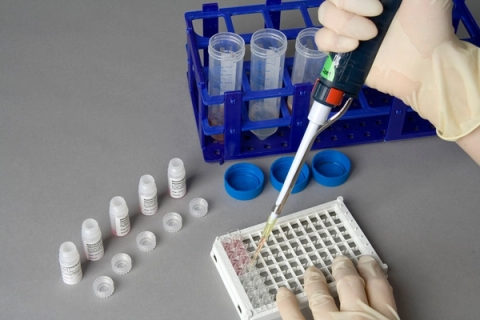
R-Biopharm food allergen testing by the ELISA method is designed to detect allergens in food products.

Consumer guide: how to detect food that is safe for people with allergies?
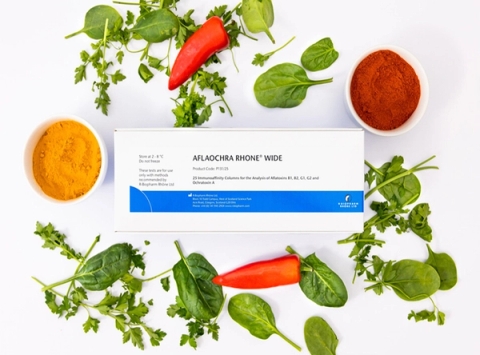
In the field of food safety and microbiological testing, identifying and removing fungal toxins, especially aflatoxin and Ochratoxin A, has always been a great challenge.
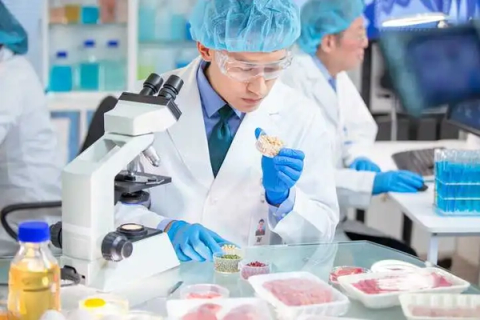
In many microbiology testing laboratories in food, beverage, cosmetics or pharmaceutical factories, the method of manually preparing agar media and pouring plates is still widely used. The usual reason given is the low cost of the medium and the ease of implementation.

In food, drinking water, cosmetics, and animal feed microbiology testing, Compact Dry dry-medium plates are increasingly widely used thanks to their convenience and high accuracy. However, to ensure reliable results, the QC room must strictly follow the standard operating procedure (SOP).

In the food safety industry, detecting and managing microbial toxins is the top priority for protecting consumer health.
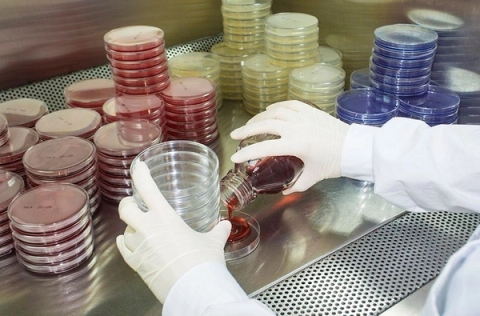
In quality control systems for food, water, cosmetics, pharmaceuticals and feed, microbiological testing is one of the most important steps in ensuring product safety before it reaches the market.
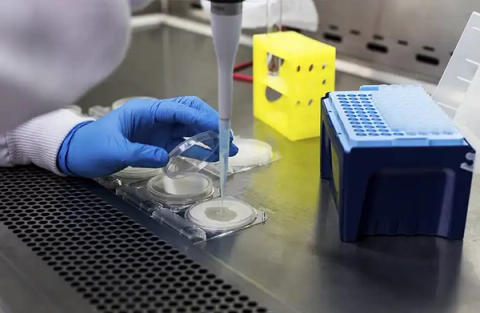
In the food industry, microbiological control is an essential step to ensure quality and safety for consumers. Traditional methods such as colony counting on standard agar media take a long time and require specialized equipment.

In microbiological testing, the accuracy and repeatability of results are the two crucial factors that determine how reliable the analytical data is.
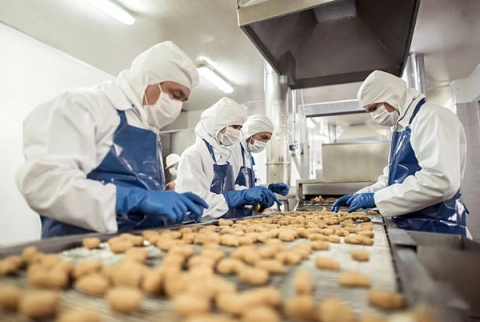
Controlling food allergens is an increasingly difficult challenge in the food manufacturing industry. Unintended cross-contamination of allergens, especially in meat processing environments, can pose serious health risks and lead to costly product recalls.

2025 saw a sharp rise in food recalls and safety alerts worldwide, driven by stricter regulations and more advanced testing technology and increasingly complex global supply chains.

This article presents the principles of the colony count method in microbiological testing.
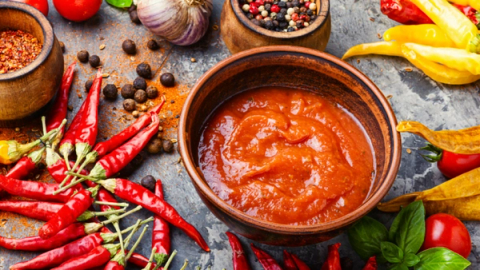
Spices bring flavour, colour and aroma to our dishes, but they can also hide risks.
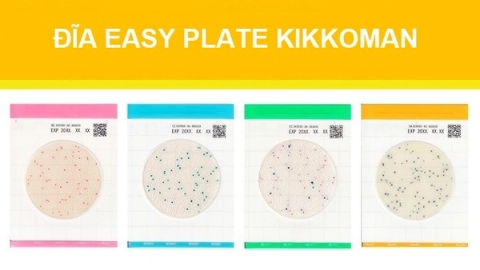
In the field of microbiological testing of food, drinking water and production environments, the traditional pour plate method has been used for decades and has become the "familiar standard" in many laboratories.
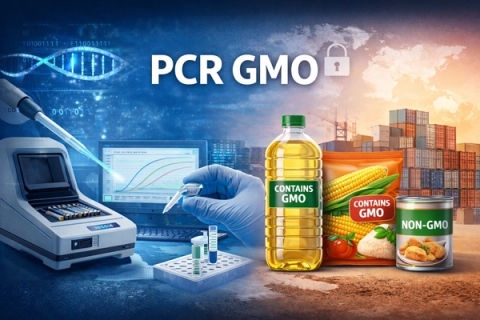
In the context of globalized food supply chains, genetically modified food (GMO – Genetically Modified Organisms) is increasingly common in many ingredient groups such as soy, corn, rapeseed, cotton and products derived from them.
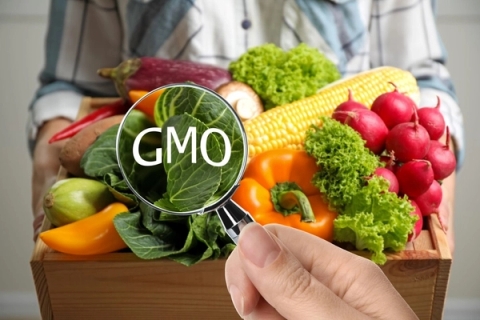
Genetically modified food (GMO – Genetically Modified Organisms) is increasingly common in the global supply chain, especially in raw materials such as soybean, corn, rapeseed and cotton.
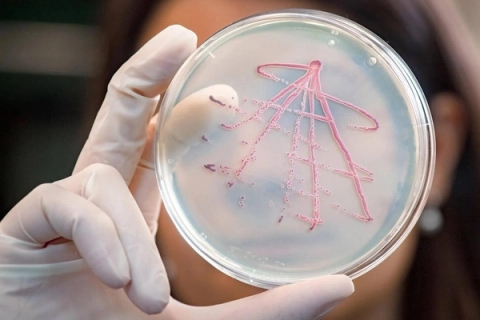
Clostridium perfringens is an obligate anaerobic bacterium: a Gram-positive, rod-shaped organism capable of forming spores.
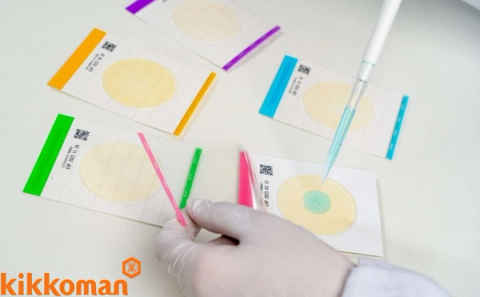
As food safety and drinking water quality are increasingly strictly controlled, fast – accurate – easy-to-implement microbiological testing is a mandatory requirement for manufacturers. However, the traditional agar plate culture method is often time-consuming, labor-intensive and harbors the risk of errors.

Pseudomonas aeruginosa is the pus-forming rod bacterium — a Gram-negative bacterium commonly found in water, soil, and wet environments.
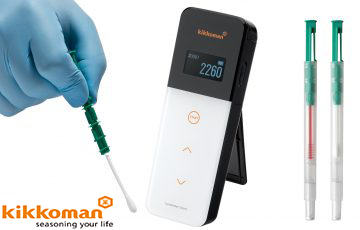
In industries such as food, beverages, pharmaceuticals, cosmetics, hospitals, and animal feed, microbiological control is not only a legal requirement but also the foundation of brand reputation.
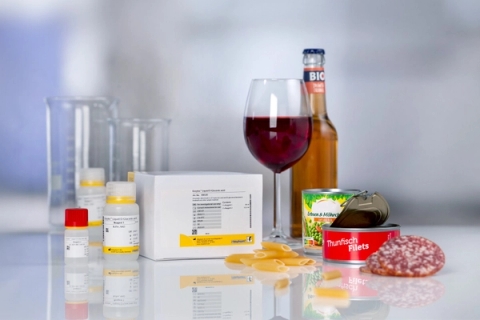
As the food, beverage, pharmaceutical and feed industries face increasingly strict regulation from food safety rules, physicochemical parameter control has become a mandatory requirement for every manufacturer.

Yeast and mold spoil food, cause unwanted fermentation, or leave a musty smell.
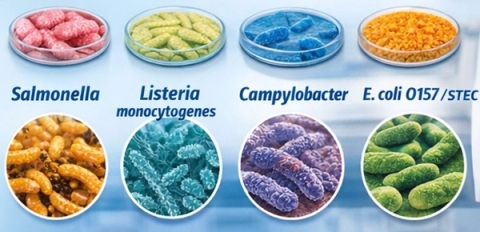
In food safety management systems (HACCP, ISO 22000, BRC, FSSC 22000), pathogenic bacteria such as Salmonella, Listeria monocytogenes, Campylobacter, E. coli O157/STEC, and Staphylococcus aureus are mandatory parameters requiring strict control. The PCR (Polymerase Chain Reaction) method is increasingly favored for its fast, accurate, and highly specific detection.
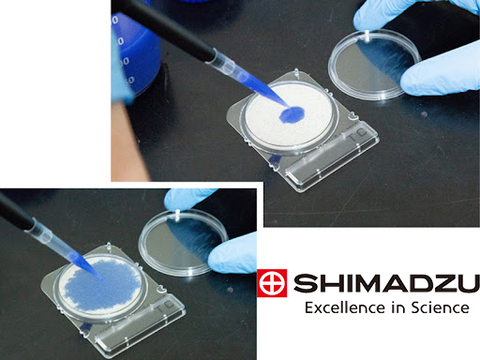
Real-world applicability of Compact Dry in shelf-life studies
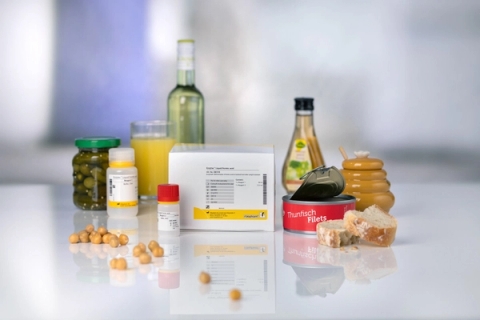
In beverage manufacturing, controlling sugar (glucose, fructose, sucrose) and organic acid (citric acid, lactic acid, malic acid) content is core to creating a harmonious, stable, quality-standard flavour

Detailed information about isocitric acid in foods and how to test isocitric acid with R-Biopharm test kits.

Infant formula safety is once again a topic of concern. After the recent meat poisoning incident in the United States, concerns about the microbial risk in infant food have increased.

Milk and dairy products (raw milk, pasteurized milk, UHT milk, milk powder, yogurt, cheese, ice cream...) are a food group with high nutritional value, but also the most sensitive to food safety.
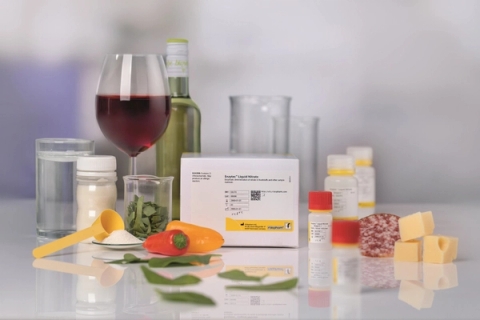
Analyzing physicochemical parameters in food by the enzymatic method – superior advantages and practical applications in food and beverage production.

Hydranal is a line of chemicals specially designed for water content analysis by the Karl Fischer titration method.

Standard procedure for using R-Biopharm IAC columns to achieve optimal recovery – detailed guidance & common mistakes. R-Biopharm immunoaffinity columns (IAC) are a widely used solution in mycotoxin testing for food, feed, cereal, and agricultural laboratories.
An optimal solution for food safety testing in accordance with European standards

In the exported agricultural supply chain such as coffee, pepper, cashews, and rice, mycotoxins are always a big barrier that causes many shipments to be returned or strictly inspected in demanding markets such as the EU, Japan, and the USA.
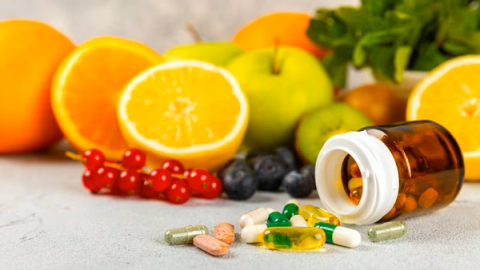
In recent years, Vietnam's pharmaceutical industry has seen strong growth driven by rising healthcare demand. In particular, the functional food line has become a key product group in many factories as consumer trends point towards nutritional supplementation, immunity enhancement and long-term health improvement.
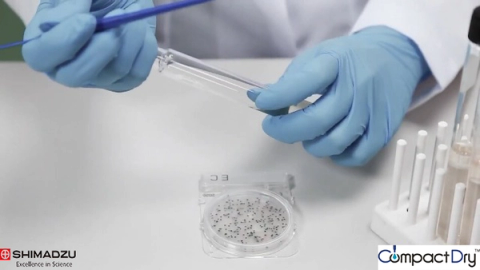
In the food industry, speed and accuracy in microbiological testing are always critical factors. However, not every business has an optimized testing process.

Ensuring a safe holiday season: managing allergens and microbial risks in Christmas food.

Comparing Compact Dry plates with the traditional agar-pouring method: which is the optimal choice for food businesses?

Below is a clear comparison – a technical benchmark between Kikkoman's A3 technology and conventional ATP technology, and at the same time an explanation of why A3 is up to 10 times more sensitive.

In the era of Industry 4.0, businesses in food, beverages, pharmaceuticals, cosmetics, hospitals, medical device manufacturing and agricultural and seafood processing all face enormous pressure to maintain hygiene standards and quality safety. Consumers are more demanding, international standards are stricter, and inspection bodies are increasing the frequency of audits.

Water quality control is an important requirement in many fields such as food and beverage production, pharmaceuticals, drinking water, livestock farms, hospitals, hotels, industrial kitchens and water treatment systems.
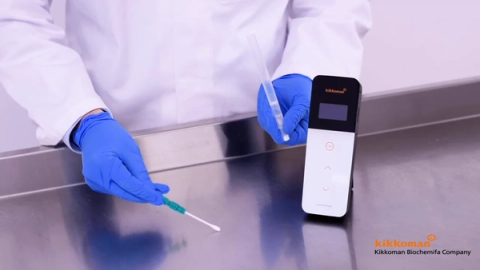
ATP test is a rapid hygiene testing method widely used in the food and beverage – pharmaceutical, commercial kitchen, restaurant – hotel industries.
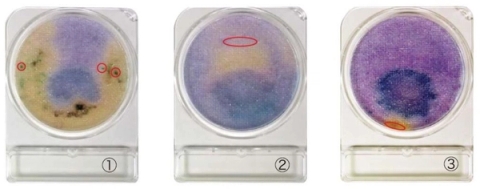
Shimadzu's pre-poured Compact Dry medium plates are a modern, convenient solution for rapid microbiological testing in food, beverages, cosmetics, and processed products.
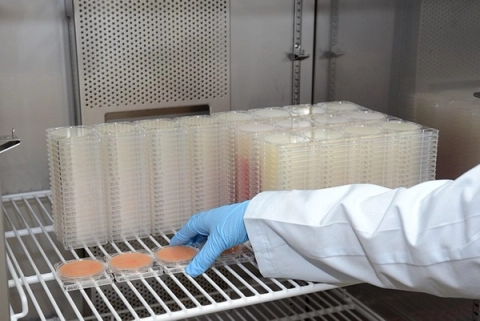
Learn the QA/QC procedure when using pre-poured Compact Dry medium plates in the testing laboratory. Detailed guidance to help ensure microbiological results are accurate, safe, and reliable.

Rapid Listeria detection with the R-Biopharm real-time PCR kit is a modern, accurate and reliable method that helps businesses better control microbiology, ensure food safety, and comply with international regulations.
Discover R-Biopharm immunoaffinity columns – the optimal sample cleanup solution that helps improve accuracy in mycotoxin analysis. Authorised distribution by PacificLAB.

Kikkoman Biochemifa's ATP Test (Kikkoman A3) Wins the ISSA Excellence Awards 2025 - Services & Technology

How are whole genome sequencing (WGS) and Real-Time PCR shaping a new era of food safety?
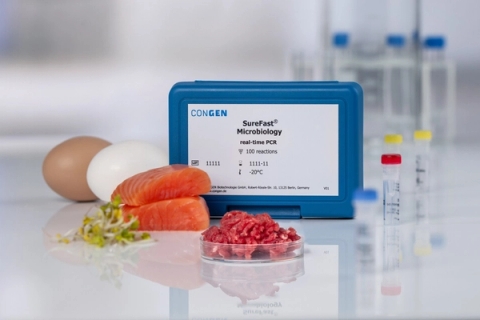
Safety testing solutions with the R-Biopharm PCR test kits for food and animal feed.
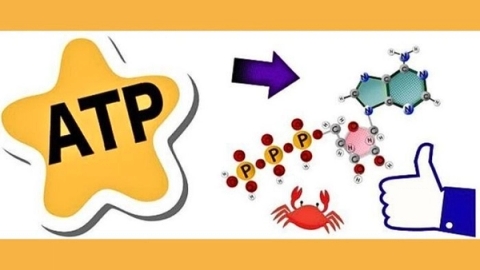
In hygiene control for food safety, pharmaceuticals, hospitals and industries with high cleanliness requirements, the phrase “ATP testing” is often mentioned. However, many people confuse ATP measurement with microbiological testing, leading to a misunderstanding of the purpose and meaning of this method.
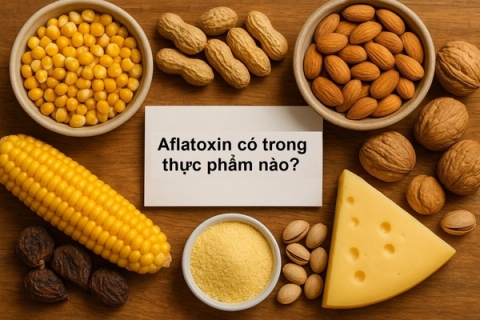
Aflatoxin is a mycotoxin produced by the species Aspergillus flavus and Aspergillus parasiticus, which usually thrive in warm and humid conditions. It is one of the most potent natural toxins known, capable of causing liver cancer, damaging the immune system and affecting the development of children.
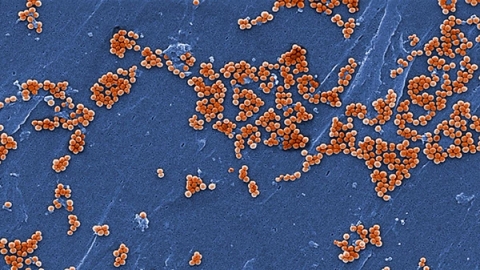
This article sets out clearly the biological characteristics of Staphylococcus aureus and introduces the R-Biopharm ELISA test kit for staphylococcal toxins
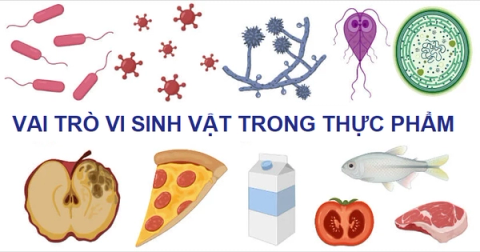
Microorganisms play an important role in food processing, including creating characteristic flavor and texture through fermentation, raising nutritional value, and supporting the production of probiotic foods.

Tree nuts include almonds, cashews, walnuts, hazelnuts, peaches, macadamia nuts… This is one of the most common food allergen groups and can cause severe reactions, even anaphylactic shock, in sensitive individuals.
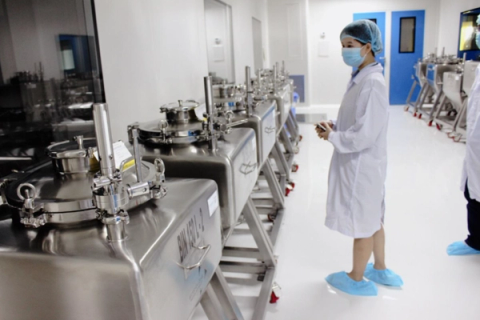
IMMEDIATE HYGIENE TESTING SOLUTION – ASSURANCE TOOLS FOR SAFETY IN PRODUCTION
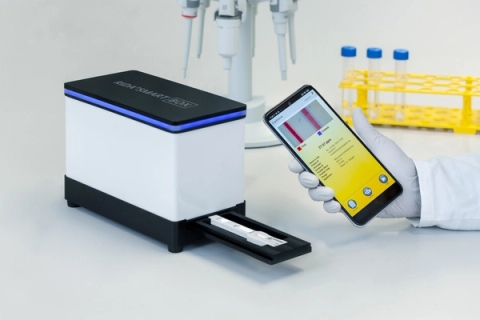
Below are the consumables and auxiliary equipment needed when using RIDA®SMART BOX + RIDA®SMART APP to run the rapid mycotoxin tests (RIDA®QUICK), together with the general testing procedure applying to most R-Biopharm mycotoxin test kits

What are mycotoxin binders, when are they used, and how is their effectiveness tested?

As sustainable development becomes a core goal of companies worldwide, allergen testing and management has emerged as an important factor in this strategy. It is not only a responsibility for public health, but also a factor that helps companies enhance their reputation, improve product quality, and meet international standards.

Maintaining high hygiene standards is essential for health, safety, and reputation, especially in high-traffic environments.

Gluten is a major protein mixture (prolamins + glutelins) found in wheat, barley, and rye. People with celiac disease or other forms of gluten intolerance (non‐celiac gluten sensitivity) need to avoid gluten exposure, as it can cause intestinal damage, inflammatory reactions, or allergy/intolerance symptoms.
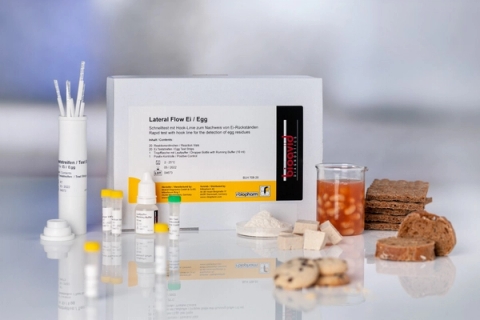
R-Biopharm allergen test strips with integrated Hook effect are immunochromatographic tests for the qualitative detection of allergens remaining on surfaces (for example swab tests for hygiene control on food production lines), in rinse water and process water (CIP water), and in food samples. The integrated Hook technology prevents false-negative interpretation of samples with high positive levels.

Kikkoman Easy Plate ready-poured freeze-dried agar plates are a fast, stable and easy-to-use microbiological testing solution for laboratories in the food, beverage, seafood processing, dairy, pharmaceutical and water treatment industries.

Kikkoman Biochemifa Company's new colony counting solution is now available. The "Colony Counting System for Easy Plate" software can be downloaded free of charge.
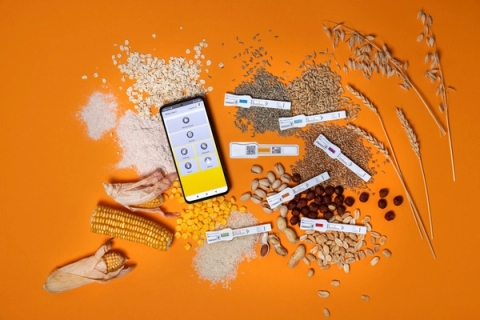
Mold toxins (mycotoxins) are among the most common and dangerous hazards in the food chain, especially in cereals, animal feed, coffee, spices and oilseeds. Timely detection of mycotoxins is mandatory to ensure food safety and comply with the strict regulations of international markets.

In food testing, the detection and quantification of sulfite (SO₂) is extremely important. Sulfite is commonly used as a preservative and antioxidant in many types of food, especially in wine, beer, fruit juice, dried fruit, seafood, and processed foods.

Alcoholic beverages are the group with the highest ethanol concentration (from a few percent to more than 40%).

MicroVal & AOAC – What these certifications mean for your testing method

In food safety, analyzing the physicochemical parameters of food plays an important role in ensuring quality, nutritional value and consumer safety.

This article explains which foods contain beta glucan, why analyzing it matters, and introduces the Enzytec™ Color GlucaTest® kit from R-Biopharm

This article will discuss which foods contain galactose and the importance of analyzing galactose in food.

Glycerol in food and the importance of glycerol analysis. This article will address in detail the question: why is it necessary to analyze glycerol in food?

Starch in food is a complex carbohydrate (polysaccharide) formed from many linked glucose units, and is usually stored by plants in seeds, tubers and fruits.
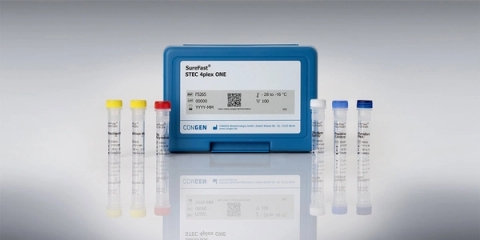
Is it hard to test for Salmonella and Listeria with Real-time PCR kits? Definitely not! With the Listeria SureFast® ONE test kit and the Salmonella SureFast® ONE PCR test kit from R-biopharm. Moreover, both PCR test kits have now been certified by both MicroVal and AOAC RI.
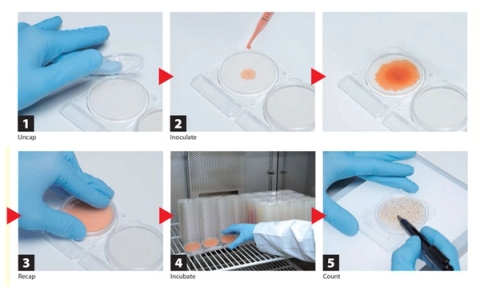
Compact Dry is packaged so it can be used at any time and, especially, without the help of any modern equipment. With a compact, optimized design, anyone can easily use it by following these simple instructions
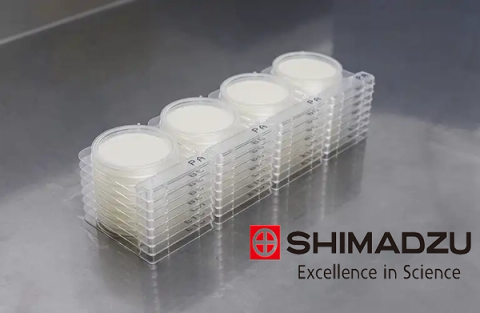
The following article guides you in choosing pre-filled medium plates suitable for each specific industry, helping businesses optimise microbiological testing, ensure safety and comply with quality standards. This list can be applied to pre-filled medium plates such as Compact Dry from Shimadzu – one of the most popular, convenient and internationally certified products.
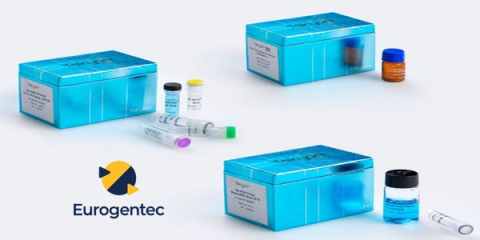
The article below highlights what a master mix is, and introduces Eurogentec Master Mix – an optimal solution for PCR and RT-qPCR.

Glutamic acid (also called glutamate) is a non-essential amino acid, best known in the form of its sodium salt – monosodium glutamate (MSG).

Aflatoxin is one of the most dangerous mycotoxins that can be present in food and animal feed. It is produced under hot, humid conditions by certain molds such as Aspergillus flavus and Aspergillus parasiticus.
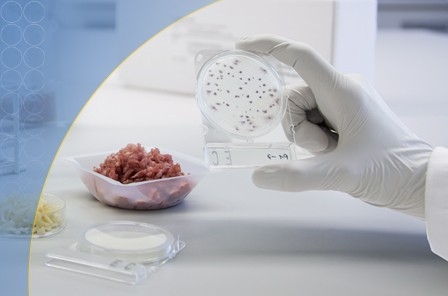
Pre-poured (ready-to-use) agar plates are petri dishes supplied with sterile culture medium already inside, convenient for microorganism testing without medium preparation steps, reducing mistakes, saving time, and ensuring repeatability.

Lactic acid is an organic compound in the alpha-hydroxy acid group, formed during sugar fermentation by lactic acid bacteria. In the food industry, lactic acid serves as a natural preservative, an acidity regulator, and an indicator of the fermentation process.

Microorganism control is an inevitable requirement not only for products but also for the production process; the chain of contamination through contact
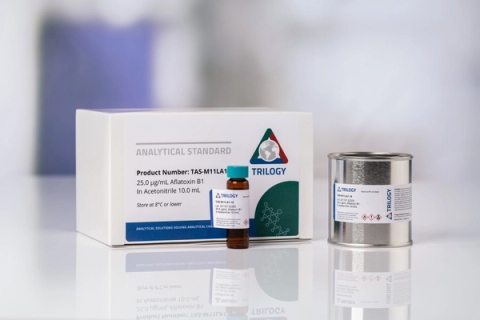
Trilogy® Aflatoxin reference standards: high-quality, certified solutions for accurate mycotoxin analysis in food and feed laboratories.

Listeria is one of the main causes of food poisoning. Recently, more and more products have been recalled due to Listeria contamination. How big is the risk really?

Whether for cats, dogs, poultry, cattle or pigs: animal feed must be wholesome and free from contaminants. Several recent product recalls have shown that this is not always the case. We will show you 6 contaminants that manufacturers should watch out for.
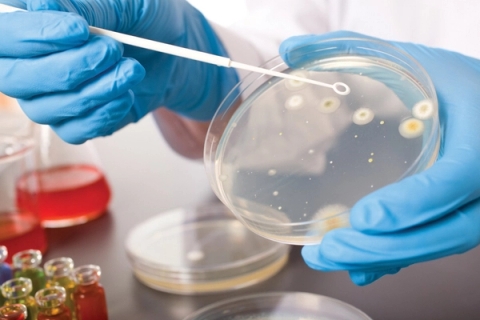
In food safety and microbiological testing, the term "indicator microorganisms" is used very widely. So what are indicator microorganisms, and why do they play such an important role in assessing food hygiene quality? Let's find out in the article below.

Bacteria in food are a latent threat to consumer health. They can cause a range of gastrointestinal diseases, food poisoning or even death if not controlled.

In fields such as food and pharmaceutical production, healthcare and industrial processing, ensuring surface cleanliness after sanitation is critical to preventing bacterial contamination and safeguarding product quality. One fast, effective method, already regarded as an international standard for evaluating surface cleanliness, is the ATP (Adenosine Triphosphate) method.

In food and feed safety, mycotoxins are a significant and ongoing challenge. These natural toxins, produced by certain molds, frequently contaminate many kinds of agricultural commodity.

Microorganisms convert the sugars in grape must into alcohol and carbon dioxide in a process called fermentation, leading to wine production

Update on EU and US legal limits for Fusarium mycotoxins: What you need to know.
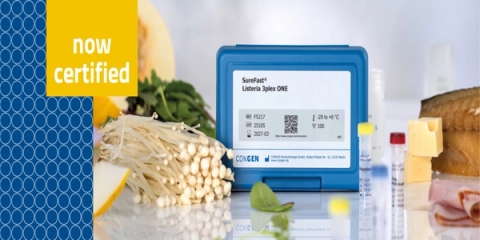
The SureFast® Listeria 3plex ONE qPCR test kit has been evaluated and approved by the AOAC Performance Tested MethodsSM (PTM) Program. The kit is now officially certified by AOAC PTM (062501) in accordance with ISO 16140-2:2016 – marking another milestone in reliable and effective food safety analysis.

Viral infections occur more frequently in winter; however, outbreaks in the warmer months are not uncommon. In addition to direct contact with an infected person, contaminated food is an important source of infection. A significant risk comes from foods that are consumed raw – such as salads.

Allergen management in food is a major challenge for manufacturers, food safety managers and consumers alike. The article below will spell out the key focuses in this work.

With a history of more than 10,000 years, rice has become one of the most popular foods worldwide, with China the largest producer, followed by India and Indonesia. Rice is the third-highest yielding agricultural commodity in the world, 90% of which belongs to Asia and 10% to some regions of Europe, Australia, North and South America.

In the field of sustainable development in the food industry, a clear trend is emerging – the incorporation of edible insects. Once considered a curiosity or even a taboo, insects are now recognized as a viable, environmentally friendly source of protein with the potential to revolutionize the way we eat.

Water is an essential part of life – but it is also a frequent source of bacterial infections. If Legionella bacteria grow in the water pipes, they can lead to serious diseases. This article answers the most important questions about the topic of Legionella.
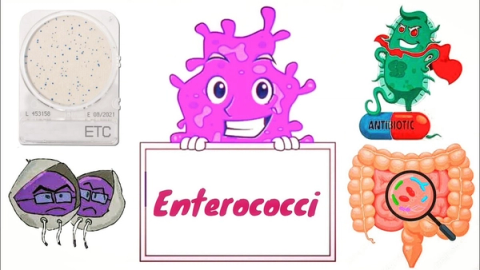
In food safety and water quality control, Enterococci bacteria are drawing attention as an important parameter for assessing fecal contamination and microbiological safety. So what are Enterococci, why do we need to test them, and which testing methods are effective and accurate?
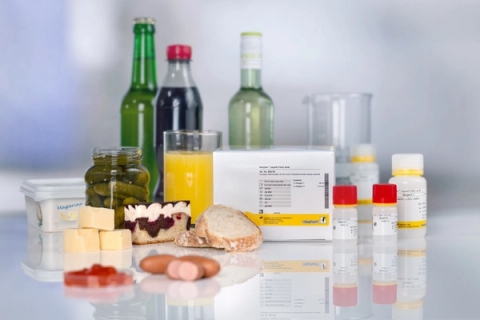
In food testing, accurately determining sugar and acid content plays an important role in ensuring product quality, stability and sensory properties. One of the most common and reliable methods today is the enzymatic method. So what is the enzymatic method and why is it so popular?
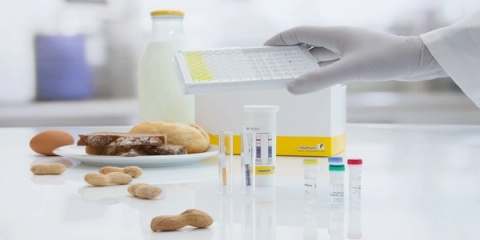
In the food industry, allergen control is a mandatory requirement to ensure consumer safety, especially for people with a sensitive constitution.
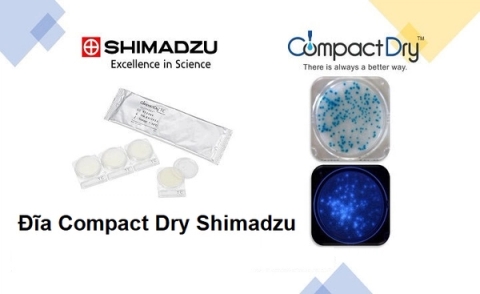
In the field of microbiological testing of food, drinking water, cosmetics, or pharmaceuticals, choosing an efficient, accurate, and time-saving testing method is extremely important. Shimadzu's Compact Dry plates are among the advanced tools that simplify and improve the efficiency of the microbiological testing workflow compared with traditional methods.

ATP meters are a surface food safety hygiene monitoring solution applied in food factories, schools, hospitals, hotels, and restaurants.

In the food service and hospitality industry, especially in restaurants and hotels, food safety and environmental hygiene are always top priorities. A clean kitchen, properly sanitized preparation equipment and contact surfaces not only help prevent food poisoning but also enhance brand reputation and the customer experience.

ATP testing is used for training, raising awareness and understanding of the importance of hand hygiene.

In poultry farming, especially on laying hen farms, hygiene and biosecurity are the key factors in limiting the growth of bacteria, viruses and other pathogens. Controlling the cleanliness of contact surfaces — including eggshells, grading lines, egg trays and workers' hands — is essential to prevent cross-contamination and improve product quality. One of the most effective, fast and widely used tools today is the Lumitester Smart ATP meter from Kikkoman (Japan).

Amid rapid urbanization and growing demands for clean, safe living and working environments, the building hygiene management procedure has become an important factor in protecting public health and raising the professional image of organizations. Applying modern technologies such as Kikkoman's ATP Lumitester Smart to hygiene control procedures delivers accuracy, transparency, and far greater efficiency than traditional assessment methods.

FDA allergens. Below is an article highlighting what food businesses need to know.

Biotin in food, this article will explain the important role and the method for testing Biotin using the immunoaffinity column from R-Biopharm (Germany).
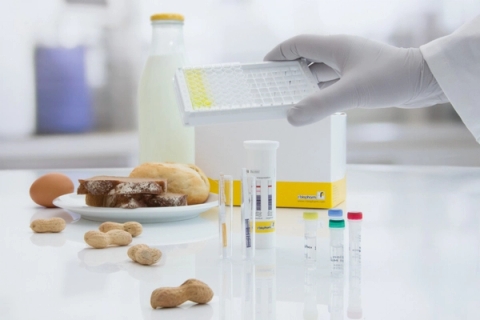
How to read ELISA test results in food testing. The article below will cover the points to note when testing by the ELISA method.
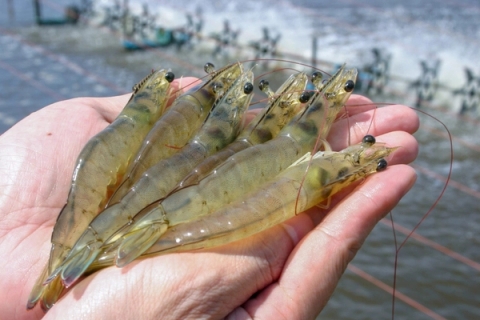
Vibrio parahaemolyticus in shrimp: A latent threat and quick, effective testing solutions for shrimp farmers.

Acetic acid in food: its role, applications and testing methods. Below is a detailed article on acetic acid in food and how to test it enzymatically, including the Enzytec™ Liquid Acetic acid E8226 test kit

Buffer Peptone Water (BPW) and Buffered Phosphate Saline (PBS) are two buffers with different uses in microbiology and molecular biology. The article below explains the main differences.
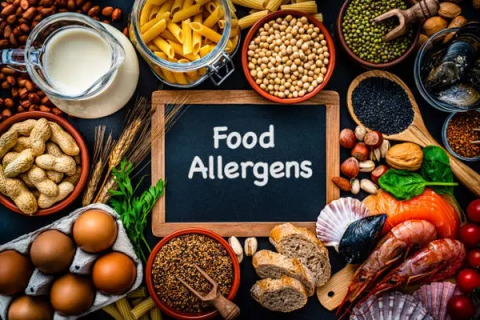
An allergen management procedure in a food production or processing facility is an important factor in assuring food safety and preventing risks to consumers. Below is a basic procedure for managing allergens.
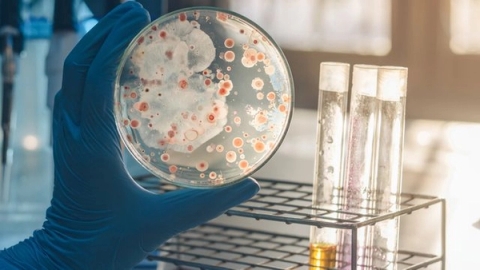
The method of culturing microorganisms in food is an important process for determining and assessing the presence of microorganisms in food samples.

Food microbiological testing is an important stage in the food industry, ensuring quality and food hygiene safety before products reach consumers. With advances in technology, many modern methods and equipment have been adopted, improving the efficiency and accuracy of the testing process.

In the context of food safety increasingly being prioritized, controlling antibiotic residues in animal-origin foods has become a mandatory requirement for manufacturers, processors and regulatory agencies.
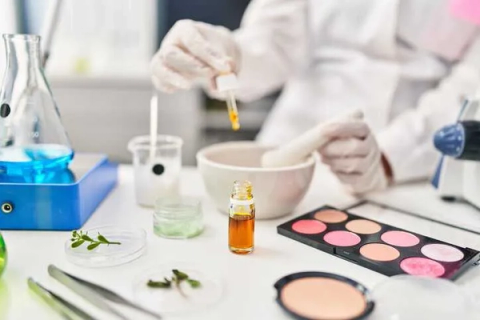
Below is a detailed article on microbiological limits in cosmetics, covering current regulations, the importance of microbiological control, and testing methods.

What is lactoferrin used for? Introduction to the Lactoferrin analysis method using the EASI-BIND® LACTOFERRIN immunoaffinity column from R-Biopharm

Whether you want to analyze wine, beer, fruit juice, confectionery, milk or meat products: Enzymatic methods for determining sugars, acids, alcohol and other food components have become an indispensable part of food analysis. If you want to use enzymatic methods in on-site testing, this is how they work.

The Kikkoman ATP Lumitester Smart — a superior surface hygiene testing solution. Why use the Kikkoman ATP Lumitester Smart?

The article below covers detailed information on which foods contain glucose, and analyzes glucose by the enzymatic method with R-Biopharm test kits

Microbiological contamination limits in cereals: requirements and control practices. Below is a detailed article covering this topic.
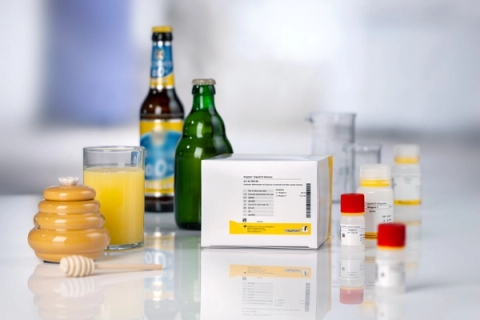
In the food, beverage and pharmaceutical industries, accurately determining the content of sugars such as glucose, fructose and maltose is extremely important to ensure product quality, meet safety standards and support research and product development.

Testing for pathogenic microorganisms in food plays a very important role in ensuring food safety and public health. Below are some main reasons that highlight the importance of microbiological testing in food.
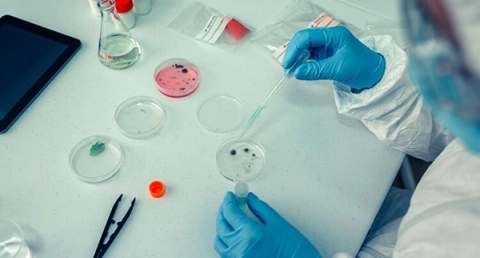
Aerobic microorganisms are microorganisms capable of growing in an oxygen-containing environment. The total aerobic microorganism count in food is one o

Coliform is a group of bacteria widely used as a hygiene indicator in food. The presence of coliform indicates a risk of faecal contamination or inadequate hygiene conditions during food production, processing or storage. Controlling coliform limits in food is a mandatory factor in food safety standards in Vietnam as well as worldwide.
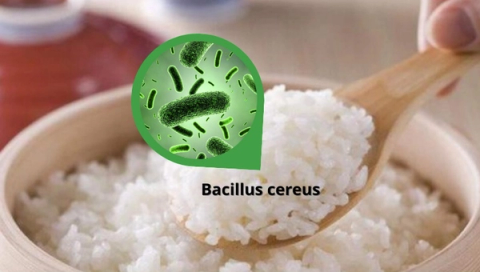
Bacillus cereus is a common bacterium in the environment, especially in soil, dust, air and plant-based food raw materials. Although many Bacillus cereus strains are harmless, some strains can produce toxins that cause food poisoning. Therefore, controlling and limiting Bacillus cereus in food is an important factor in food safety management.

In food safety, one of the top concerns is the presence of E.coli bacteria in food. This is an intestinal bacterium that can cause serious problems for consumer health if not properly controlled. Therefore, countries and international organisations have established E.coli standards in food to limit and control the occurrence of this bacterium.

Below is a detailed article on yeast and mould limits in food, suitable for use in professional documents, science communication or introducing food testing products
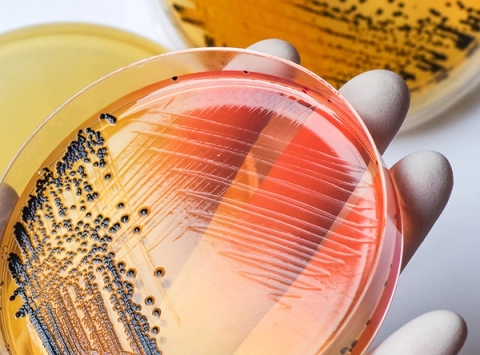
Below is a detailed article on Salmonella enrichment media, covering the classification, roles and how to use each type of medium.
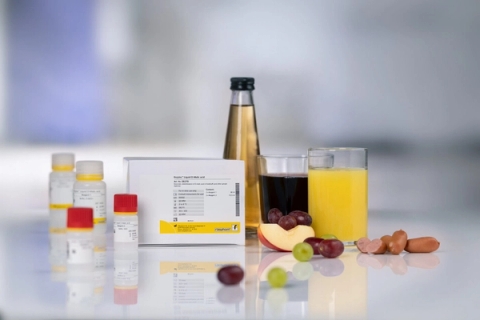
In addition to the series of articles on acid and sugar control in food, we will continue to introduce other parameters that are also very necessary for quality control and safety in food production.
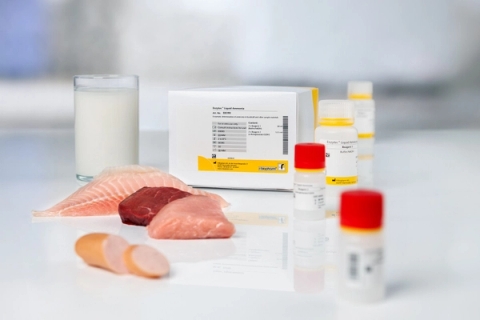
Determination of ammonia in food by the enzymatic method offered by R-Biopharm is an accurate, fast and reliable solution, commonly used in food, animal feed and biological sample testing. The method is based on a specific enzyme reaction with ammonia to produce a product that can be measured by spectrophotometry.
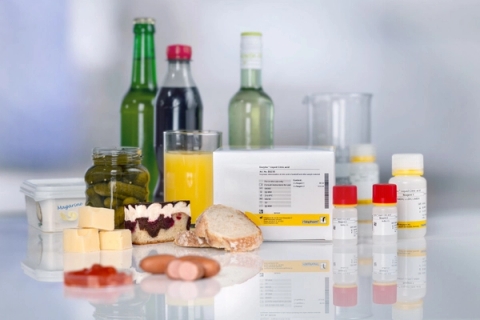
Below is a detailed article about the Enzymatic method for determining sugar and acid content in food, highlighting the test kits of R-Biopharm – one of the leading reputable brands in the field of food analysis.

This article will discuss citric acid in food and how to test citric acid by spectrophotometry
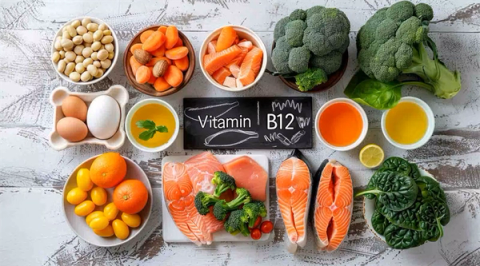
Natural foods containing vitamin B12 include fish, shellfish, liver, meat, eggs, poultry and dairy products such as milk, cheese and yogurt.

Folic acid in food is very important for blood formation, DNA synthesis and cell development. It is especially necessary for pregnant women to prevent neural tube defects in the fetus.
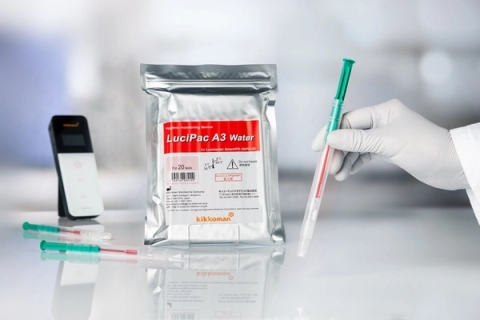
In the food, beverage, and pharmaceutical industries, and especially in medical device manufacturing, ensuring the hygiene and quality of water used in production processes is extremely important
In food safety testing, mycotoxins are a worrying biological hazard, directly affecting the health of humans and livestock. To analyze these toxins accurately, immunoaffinity column technology has become an indispensable tool in modern laboratories. In particular, R-Biopharm (Germany) immunoaffinity columns are highly rated for their exceptional accuracy, cleanliness, and repeatability.
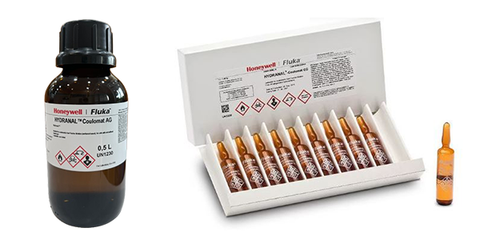
The Karl Fischer (KF) method is one of the most popular techniques for determining water content in many types of samples.

Getting started with vitamin analysis depends on the sample type (food, pharmaceuticals, beverages...) and the type of vitamin to be determined (water-soluble such as vitamin C, B1, B2... or fat-soluble such as A, D, E, K).

Bacterial spoilage in fruit juice and beverages: this article introduces how to detect the main spoilage agents with the GEN-IAL® Real Time PCR test kit.

Below is a detailed analysis of the 5 groups of food-spoiling microorganisms, including their characteristics, spoilage mechanisms, and the types of food affected.

The LuciPac A3 Filter Assay is Kikkoman's advanced water quality testing kit, specially designed to detect microorganisms and contaminants in water samples.

Vitamin analysis in food is the process of determining the vitamin content in food to ensure nutritional quality and food safety. This process is usually carried out using various chemical and biological analytical methods.
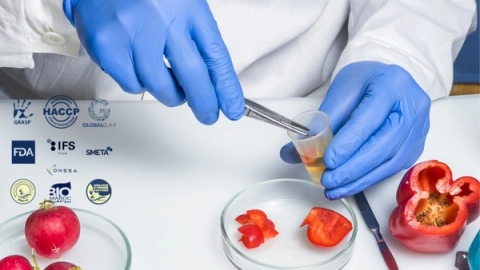
Microbiological standards in food are the standards used to assess the level of microbiological contamination in food.

Genetically modified food, abbreviated as GMO. This article will clarify the benefits, harms, and control solutions for genetically modified foods.

Aflatoxin B1: a dangerous toxin in food and animal feed. This article will focus on clarifying the danger and the testing methods in food and animal feed.

The PCR method (Polymerase Chain Reaction) is one of the important techniques in microbiological testing, especially in the fields of food, drinking water, livestock farming and healthcare. This method helps detect pathogenic microorganisms, indicator microorganisms and genetically modified organisms quickly and accurately.

Pseudomonas aeruginosa is a bacterium that is particularly harmful in water. This article highlights the characteristics, the harm in water, and the method for testing this bacterium with Compact Dry plates
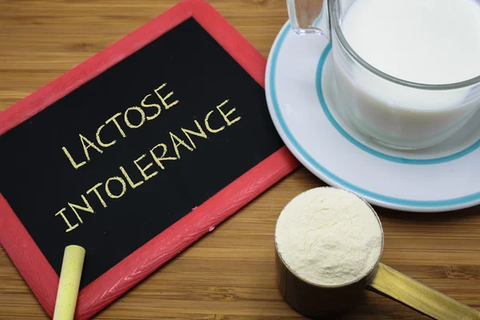
More and more people are allergic to milk, but it is important to distinguish between a milk allergy and lactose intolerance.
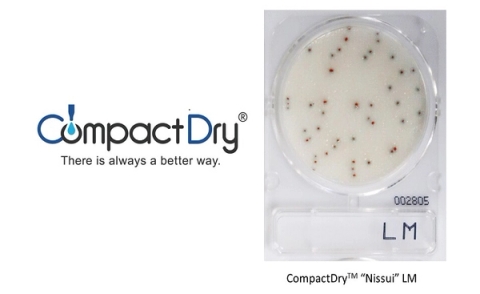
CompactDry LM from Shimadzu is a ready-to-use culture plate developed for the detection and enumeration of Listeria monocytogenes, helping to reduce the labour time required to carry out microbiological testing. The method has obtained the international certifications required for an ISO 17025 laboratory.

This is a worrying report: a recent survey found that one in every two chickens sold in Germany is infected with the diarrhea-causing Campylobacter bacteria . Here is what you should know about this pathogenic bacterium.
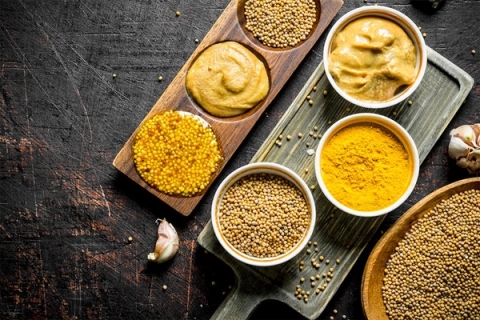
Mustard Allergy: hazards and effective testing methods with R-Biopharm test kits. This article will highlight the hazards and the methods for testing mustard allergens in food.
Microbiological testing is an important part of ensuring product quality and safety, especially in the food, cosmetics, pharmaceutical and environmental fields. To implement microbiological testing effectively, businesses need to follow the steps below.
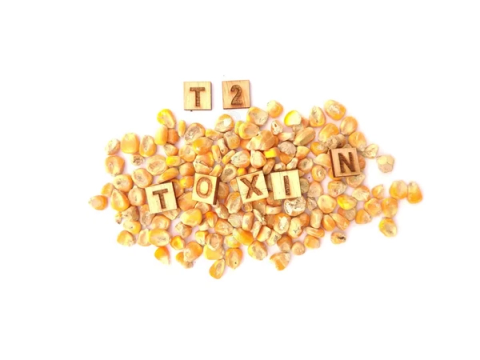
T-2 and HT-2 toxins belong to the mycotoxin group (mold toxins) produced by Fusarium fungi, common on crops such as corn, wheat, oats, barley and other cereal grains.
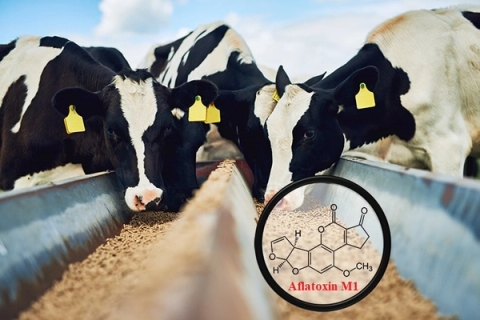
Aflatoxin M1: a dangerous mold toxin and the methods for testing it. This article highlights the methods for detecting Aflatoxin M1 in food and animal feed.
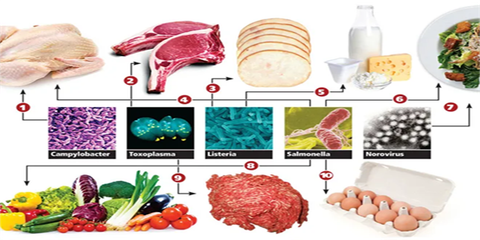
Food safety is one of the important issues in modern life. Pathogenic microorganisms in food can cause dangerous diseases such as Salmonella, Listeria, E. coli, or Campylobacter infections.

Gluten-free food production includes several important steps to keep products safe for consumers with celiac disease or gluten sensitivi

Microbial isolation is a fundamental process in microbiological research, aiming to separate and purify one specific microorganism from an environment or a mixed sample.

Lactoferrin in cows is a multifunctional protein present in cow's milk, playing an important role in health and nutrition.

The gluten-free market is experiencing unprecedented growth, with a global valuation of $6.45 billion and a growth rate of…
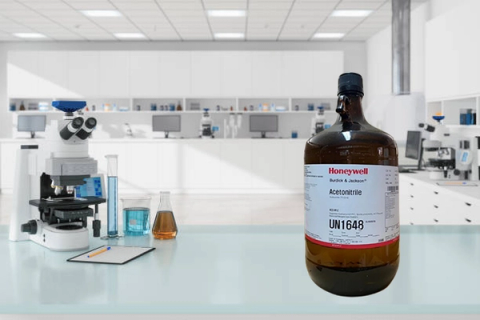
Acetonitrile solvent (CH₃CN) is one of the leading solvents used in high performance liquid chromatography (HPLC). Honeywell's Acetonitrile products stand out for their high purity, meeting the strict requirements of chemical and industrial analysis.
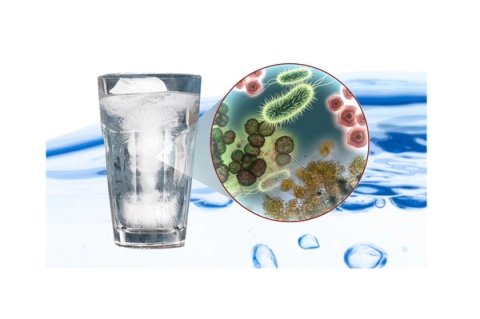
To ensure water quality, microbiological testing is a mandatory requirement for detecting and controlling microbial contamination.
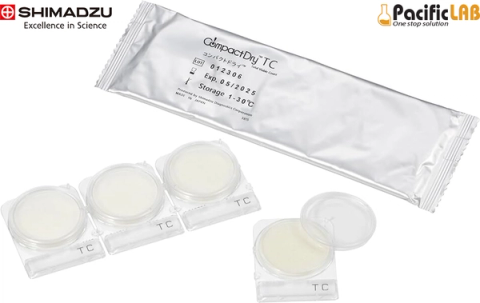
In microbiological testing, culture plates play an important role in detecting and counting colonies. Among modern solutions, Compact Dry plates made by Shimadzu are highly rated for their simplicity, accuracy, and reliability in analyzing microorganisms in food, water, and the environment.

The detection and mitigation of mycotoxins such as fumonisin has become a key concern in ensuring food and feed safety.
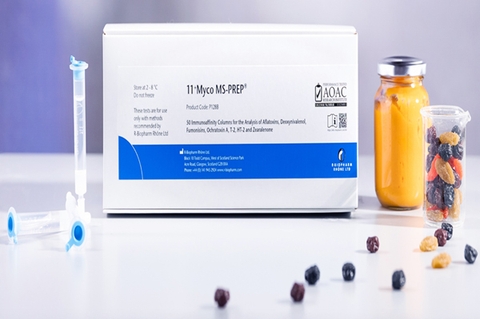
Reliable, efficient, certified: the 11+Myco MS-PREP® immunoaffinity column for analyzing 11 mycotoxins has achieved AOAC certification.
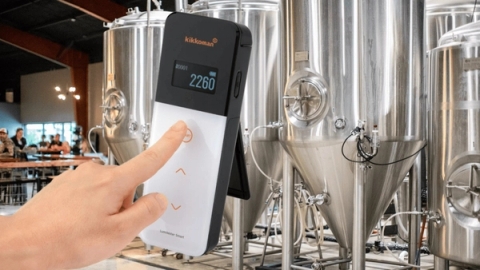
Some notes on using the Kikkoman Lumitester Smart ATP meter. This article will detail the notes when using this device.
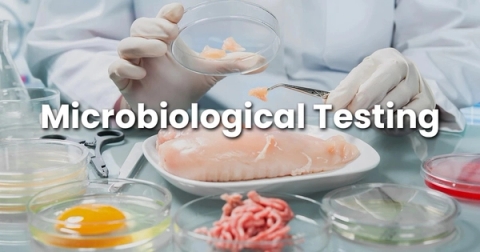
Microbiological testing in food plays an important role in assuring food safety and protecting consumer health. The legal standards and regulations related to food microbiological testing are usually based on national and international standards. Below are the common regulations and standards.

Microbiological testing is an important part of ensuring product quality and safety, especially in the food, pharmaceutical, cosmetics and environmental industries. Below are the common methods in microbiological testing.

Microbiological testing is an important step in assessing the quality of food, beverages, cosmetics, and healthcare services. Today, microbiological testing methods fall into two main groups: traditional and modern.
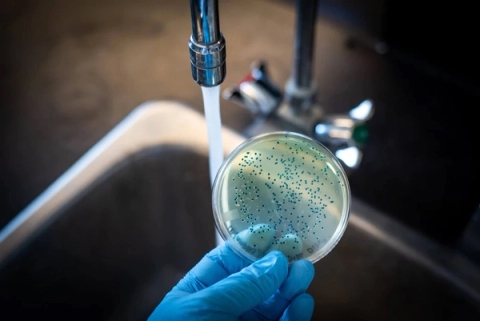
Types of microorganisms in water and water microbiology testing methods usually follow standards such as QCVN (Vietnamese technical regulation), ISO, TCVN, WHO, US EPA, etc. Below are the important microbiology parameters and the accompanying testing methods.
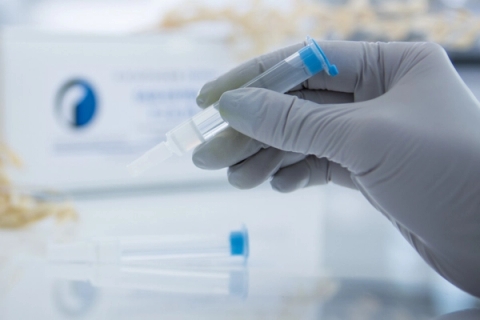
R-Biopharm, a leading company in biotechnology, is famous for its advanced solutions in food testing, clinical diagnostics and scientific research.
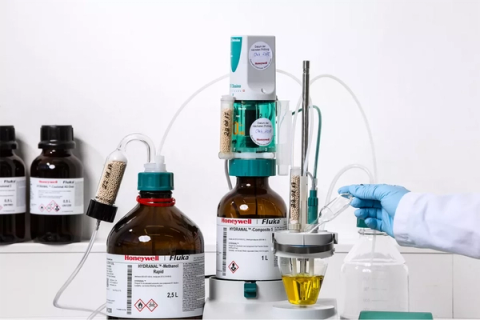
The volumetric titration method is an important chemical analysis technique that determines the concentration of a solute in a solution by measuring the volume of a standard solution of known concentration needed to react completely with the solution being titrated
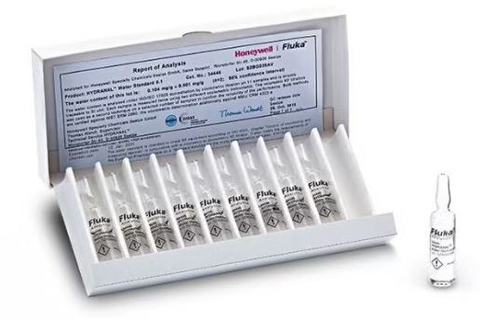
Honeywell's Hydranal Water Standard is a range of products specifically designed to support the Karl Fischer (KF) method, one of the most accurate techniques for determining moisture in materials.

Hydranal Titrant 5, manufactured by Honeywell, is one of the leading Karl Fischer standard solutions, widely used in chemical analysis to determine water content in many different types of samples. This product stands out for its high accuracy, stability and ease of use, making it a leading choice for laboratories and manufacturing plants.
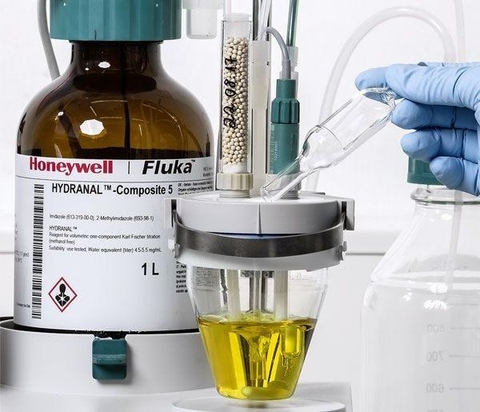
HYDRANAL Composite 5 is a high-quality product from Honeywell, designed for use in Karl Fischer titration methods for the determination of water in samples. This reagent is produced with modern technology, ensuring high accuracy and measurement stability.

Food microbiological testing plays an important role in ensuring food safety and hygiene. However, this process faces many challenges. The following article will analyze those challenges in detail.

Microbiological testing in food is an important step to ensure food safety. The following article highlights specific food groups and the microorganisms that are commonly tested.

The trend of using artificial intelligence (AI) and Internet of Things (IoT) in monitoring and detecting allergens is creating significant changes in industries such as food, healthcare, and the environment. The article below will clarify these trends in the future.

When using Compact Dry plates, customers often have questions about the usage procedure and about technical aspects of the product. This article highlights these frequently asked questions.

For detecting mycotoxins, liquid chromatography with mass spectrometric detection (LC-MS/MS) has become very popular in recent years. High-throughput laboratories in particular increasingly rely on this accurate and efficient method. Below is how to handle matrix interferences and use LC-MS/MS optimally.
Food manufacturers must comply with specific limit values for mycotoxins. For the routine analysis of different mycotoxin concentrations in grains, multi-mycotoxin analysis is an effective alternative.
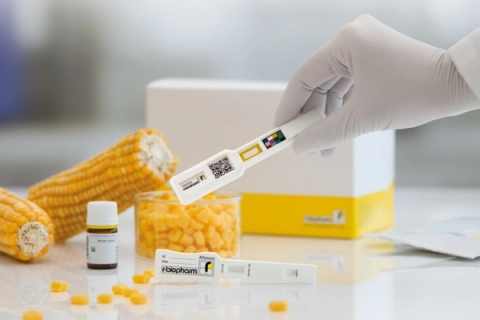
Organic solvents always play an important role in mycotoxin analysis. However, they have a negative impact on the environment and are dangerous for laboratory technicians.

Casein allergy is a common food allergy that occurs when the body's immune system recognizes casein, a main protein in milk and dairy products, as a harmful agent.

Competitive ELISA is one of the methods of the ELISA technique (Enzyme-Linked Immunosorbent Assay), widely used in biology, medicine and research. This method stands out for its ability to detect small molecules (hapten), antigens and antibodies with high sensitivity and specificity.

Egg allergy is an abnormal immune reaction of the body to the proteins in eggs. The main allergenic proteins in eggs include ovalbumin, ovomucoid, conalbumin, and lysozyme. Egg allergy usually occurs in young children, but in some cases it can last into adulthood.
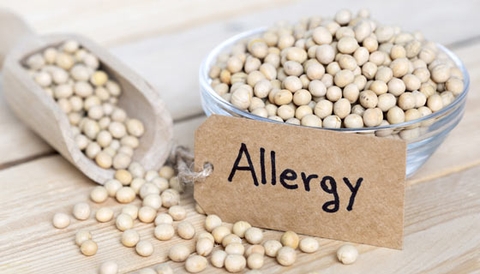
Soy allergy is one of the most common food allergies, especially in children, but it can also affect adults.
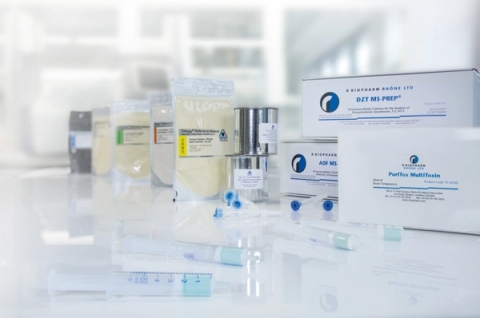
The presence of mycotoxins in food and animal feed poses significant health risks, requiring accurate and reliable testing methods.

Gluten allergy, especially the gluten in wheat flour, is becoming a growing concern in nutrition and public health.
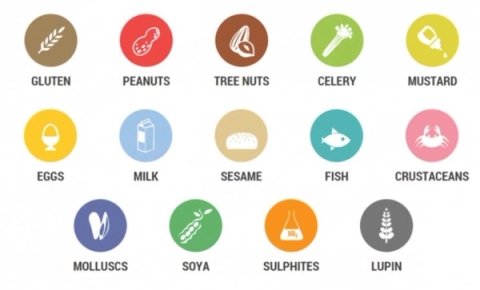
In the context of globalization and diversifying food supply sources, understanding food allergens is becoming ever more important

In fields such as hotels, restaurants and school kitchens, ensuring food safety and hygiene is a vital factor, not only to protect the health of users but also to maintain reputation and comply with legal regulations.

ATP Testing (Adenosine Triphosphate) is a fast and effective method for monitoring hygiene in the seafood industry.
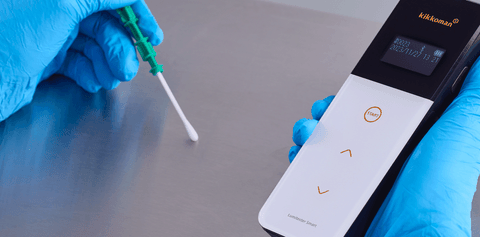
ATP testing methods based on bioluminescence have been incorporated into the Japanese Agricultural Standards (JAS) for hygiene safety in the processing of fruits and vegetables.
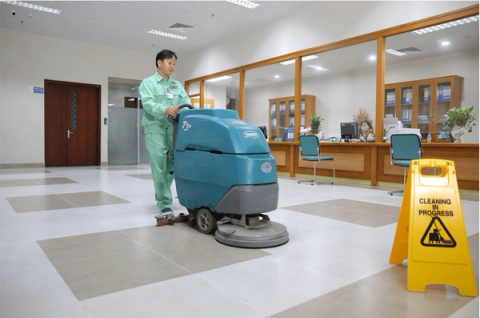
In today's sanitation industry, ensuring hygiene standards is essential, not only for the health and safety of users, but also to maintain the position of industrial cleaning companies.

We are pleased to announce that the Lumitester Smart hygiene monitoring system, jointly developed by Kikkoman Biochemifa Co., Ltd. and OPTEX Co., Ltd. , was awarded at the National Invention Awards ceremony 2024. The event was held on Thursday, 11 July, at Okura Tokyo, Minato-ku, Tokyo.
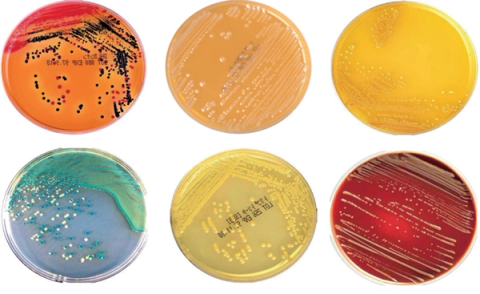
Microbial culture media is a medium that provides nutrients and minerals to support the growth of microorganisms in the laboratory.
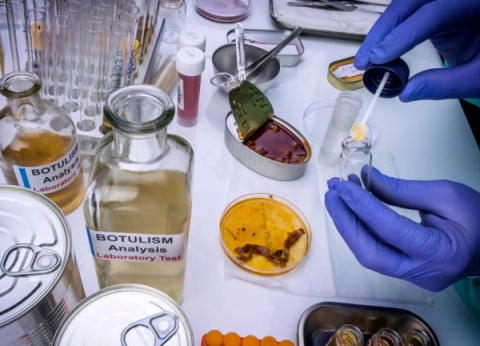
Botulinum is an extremely potent toxin produced by the bacterium Clostridium botulinum. It is one of the most dangerous natural toxins, capable of causing death in a very small amount.

DON (deoxynivalenol), also known as vomitoxin, is a mycotoxin in the trichothecenes group, produced by the fungi Fusarium graminearum and Fusarium culmorum.
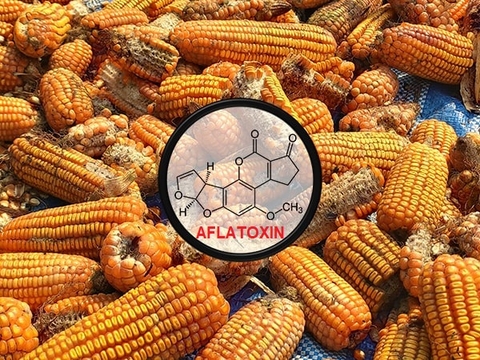
Aflatoxin is a group of toxic compounds produced by moulds, mainly Aspergillus flavus and Aspergillus parasiticus.
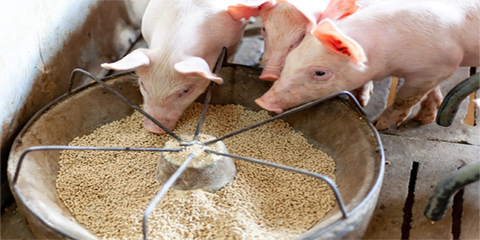
Ochratoxin is a group of mould toxins, the most common of which is Ochratoxin A (OTA), produced by fungal species of the genera Aspergillus and Penicillium.

Zearalenone is a mycotoxin (mold toxin) belonging to the resorcylic acid lactone group, produced by Fusarium fungi species, mainly Fusarium graminearum, Fusarium culmorum, and Fusarium sporotrichioides.

Fumonisin is a group of mycotoxins produced mainly by fungi of the Fusarium genus, especially Fusarium verticillioides and Fusarium proliferatum.

Digestive disorders and impairment of the immune and nervous systems: Mycotoxins, the metabolic products of molds, are not only dangerous to human health; they can also be toxic to livestock.
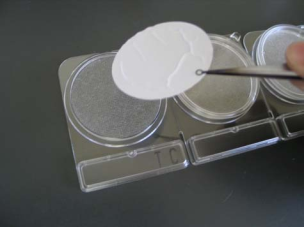
The membrane filtration method for microorganisms is an important and popular technique for testing microorganisms in water and other solutions, and it has been successfully applied to testing products such as Compact Dry plates.
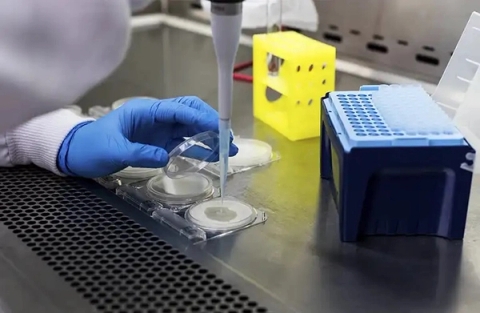
Enriching or diluting samples on Compact Dry plates depends on the purpose of the test and the microbial density in the original sample. Below are the specific cases for applying each method.

Enterobacter is a bacterial genus of the Enterobacteriaceae family, including many species that can infect humans, especially in hospitals or environments with poor hygiene.

Listeria monocytogenes is a dangerous pathogenic bacterium that can cause serious infection in humans, especially those with weakened immune systems, the elderly, pregnant women, and newborns.
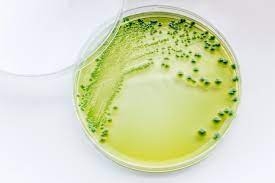
Vibrio parahaemolyticus is a Gram-negative bacterium living in saltwater environments and capable of causing gastrointestinal tract infections in humans, es
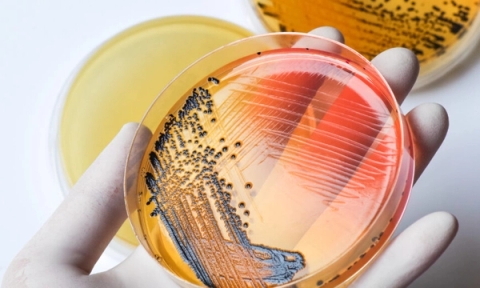
Salmonella is a common pathogenic bacterium, often found in food and causing diseases related to the digestive tract.
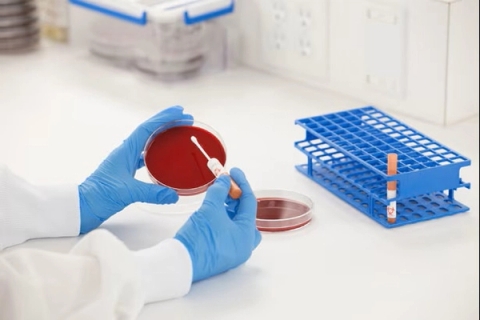
Bacillus is a bacterial genus common in nature, including many important species, among them ones that benefit industry

This medium is designed to create the optimal conditions for the growth of yeast and mold species in the laboratory.
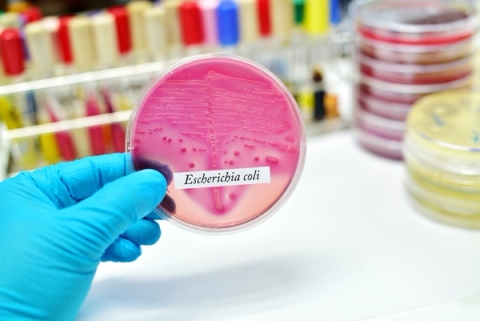
E. coli and Coliform bacteria are important indicators in water and food hygiene quality monitoring.

Mycotoxins are toxic compounds produced by molds when they grow on food and agricultural products under hot and humid conditions.

Clostridium botulinum is an obligate anaerobic bacterium capable of producing botulinum toxin – one of the most potent substances affecting the human nervous system.
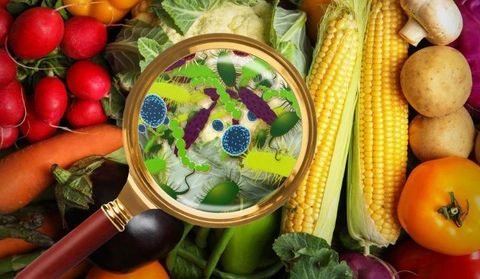
In Vietnam, the national technical regulations (QCVN) on microbial contamination in food are issued by the Ministry of Health, setting specific limits for each type of microorganism in each type of food.

Pseudomonas aeruginosa is a Gram-negative bacterium known for its ability to grow vigorously in many different environments, especially in moist environments.
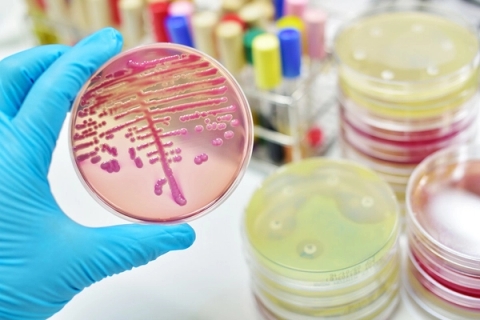
Staphylococcus aureus is a gram-positive bacterium capable of causing many types of infection in humans. For research, detection and identification of Staphylococcus aureus in the microbiology laboratory, culturing this bacterium is an important step.

Food testing plays an important role in ensuring food safety and protecting consumer health
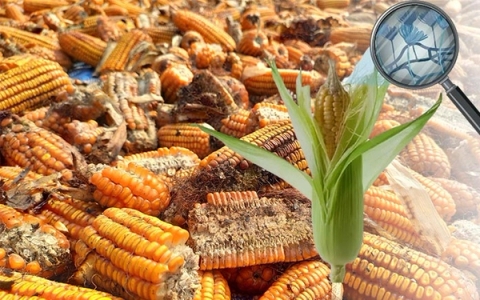
Mold mycotoxin testing by the ELISA technique from R-Biopharm includes detailed steps for detecting and quantifying mycotoxins in food and feed samples. Below is the basic procedure using the ELISA method from R-Biopharm
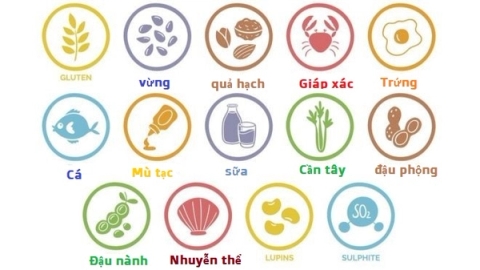
Regulations on allergens in food are an important part of food safety law, protecting consumers from allergen-related health risks. Below are some of the key regulations and principles on food allergens in Vietnam and internationally.

Histamine is a naturally occurring biological compound found in many foods, especially those that are fermented or have been preserved for a long time

The ELISA technique (Enzyme-Linked Immunosorbent Assay) is one of the most important methods in the food testing industry, widely used to detect biological components such as microorganisms, proteins, toxins, allergens, and other harmful components in food.
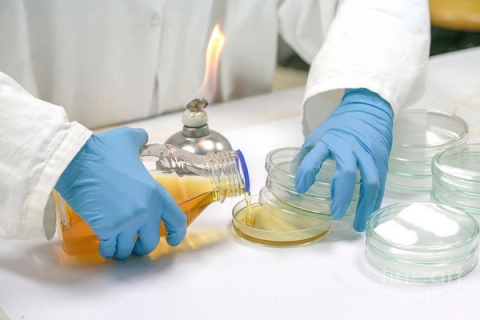
To pour media into Petri dishes accurately and aseptically, you need to follow the detailed steps in the procedure below.

Microbiological indicators in food are important factors that help assess the safety and hygienic quality of a product.

For more than 30 years, Eurogentec has established itself as one of the world's leading suppliers of products and services in molecular biology, cell biology, and biotechnology.
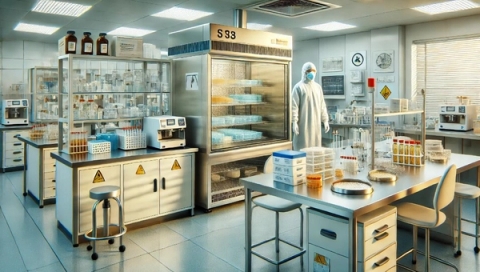
To design a food testing microbiological laboratory, you need a range of specialist equipment and consumables to ensure food sample analysis and testing meets standards and achieves high accuracy.
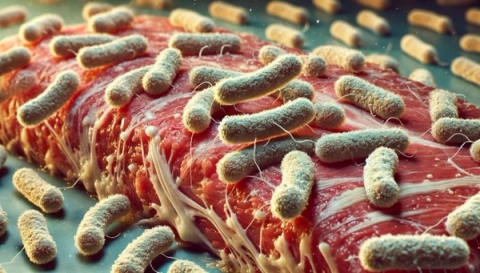
Listeria bacteria are a genus of bacteria in the family Listeriaceae, in which Listeria monocytogenes is the most serious pathogen for humans and animals
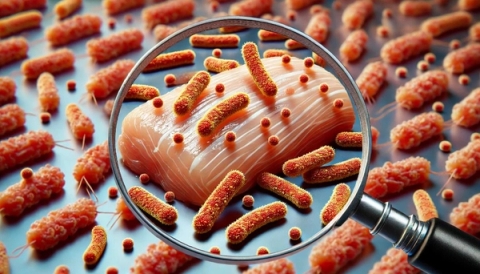
The Salmonella bacterium is a gram-negative bacterium of the Enterobacteriaceae family, capable of causing gastrointestinal tract infections in humans and an

Vibrio parahaemolyticus is a Gram-negative bacterium that usually lives in seawater and brackish water environments, especially in warm waters.

Enumerating Enterobacteriaceae by the plate count method is a microbiological technique for determining the number of bacteria of the Enterobacteriaceae family in a test sample

Quantifying Bacillus cereus by the colony count method is a common microbiological technique for determining the density of this bacterium in food or water samples.
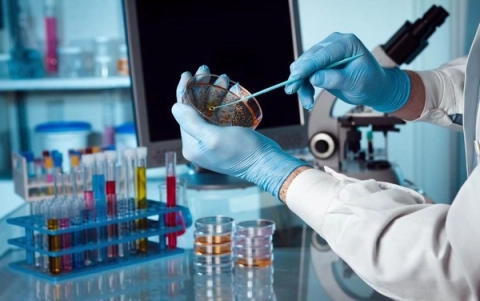
Detecting Staphylococcus aureus in food is extremely important to ensure food safety and hygiene during processing.
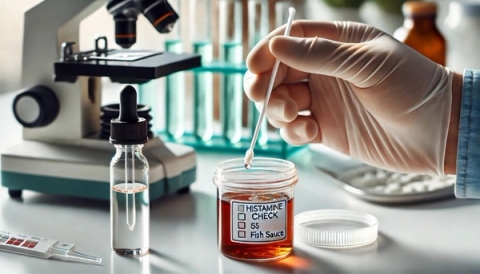
Fish sauce, one of the traditional condiments characteristic of Asian cuisine, especially Vietnamese cuisine, is not only a symbol of flavor but also a product demanding high quality and food safety.
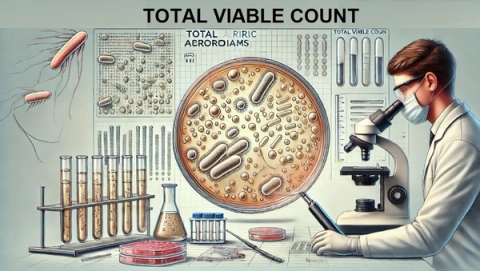
Determination of the total aerobic microbial count in food or water is commonly performed to assess the level of microbial contamination and the hygiene quality of the sample
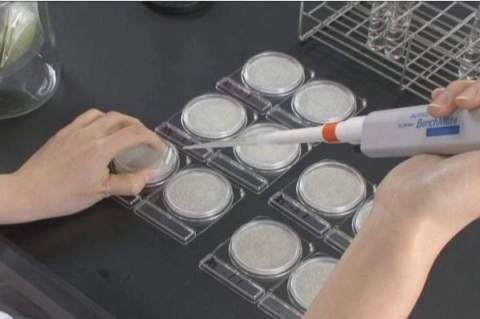
Compact Dry culture plates are an effective tool for testing microorganisms in food, water, and other samples.
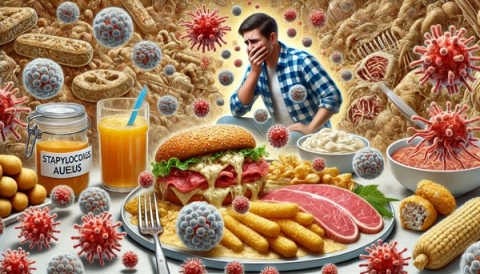
Staphylococcus is a common bacterial genus, among which Staphylococcus aureus is the species drawing the most attention because of its ability to cause food poisoning and infections.
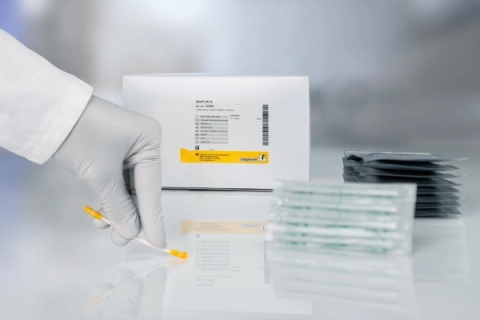
In food processing environments, ensuring safe hygiene is a survival factor for maintaining product quality and protecting consumer health.
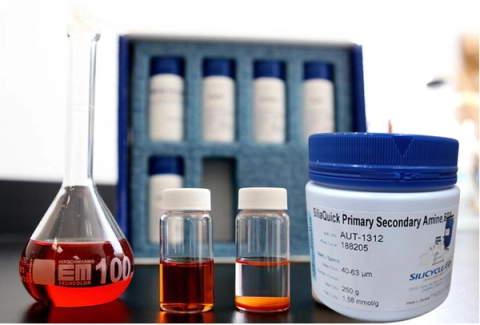
In chemistry and analysis, choosing the right reagents for the extraction process is a determining factor in the efficiency and quality of analytical results.
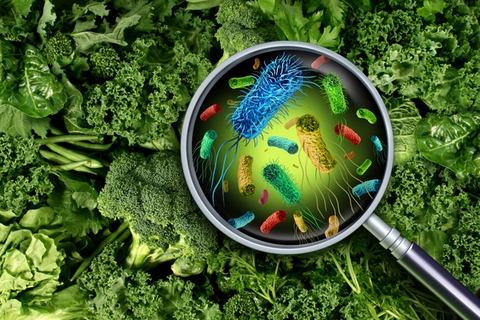
Detect the pathogens that can cause food poisoning. Food contaminated with pathogenic microorganisms poses a serious health risk to consumers.

September is Honey Month. Since this is the time that marks the end of the honey harvest season, it is a good time to focus on naturally sweetening substances, which are not always as natural as people think.
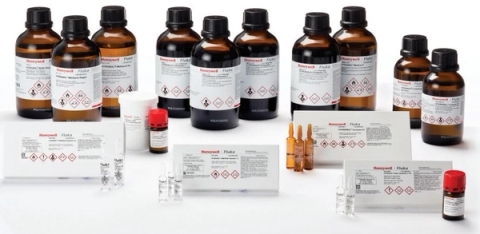
The Karl Fischer titration method in some cases needs additional auxiliary chemicals for adjustment. In this article, we will introduce the auxiliary chemicals

Plant-based foods consist mostly or entirely of ingredients derived from plants. They include cereals, beans, nuts, and seeds.
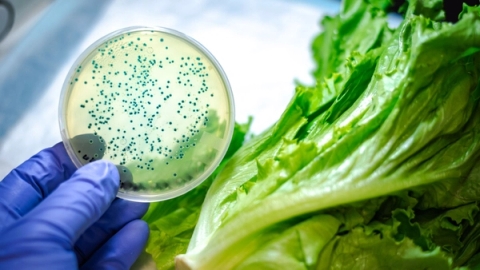
Escherichia coli, also known as E. coli, is a Gram-negative, anaerobic, rod-shaped coliform bacterium of the genus Escherichia.
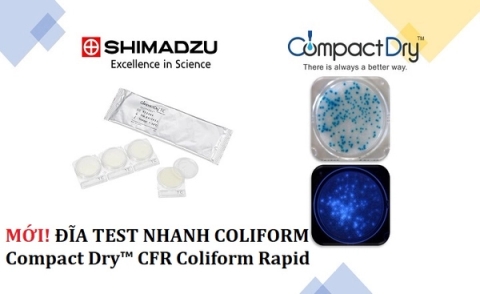
Shimadzu Diagnostics is pleased to announce the launch of a new product, the CompactDry™ CFR Coliform Rapid coliform rapid test plate.

Peanuts are among the most common triggers of serious allergic reactions, with symptoms that can be life-threatening, such as anaphylactic shock.
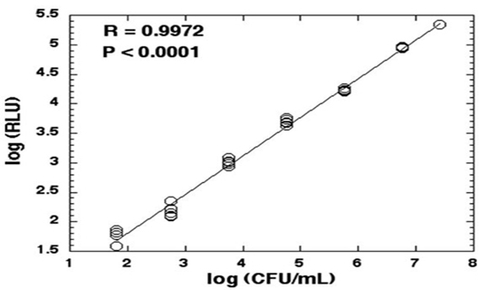
We want to explain that the number of bacteria does not always correlate with the amount of ATP, and to describe the relationship between the amount of ATP and the number of microorganisms.

“Gluten-free”, like “allergen-free”, is a phrase everyone talks about and one of the most searched terms today.

Contamination by bacteria, mold or viruses does not only occur in food. Pharmaceutical and cosmetic products can also be contaminated.

On August 2, 2024, brewers and beer lovers around the world will raise their glasses to celebrate International Beer Day

Accurate sugar determination is very important for product quality and compliance with nutritional standards.
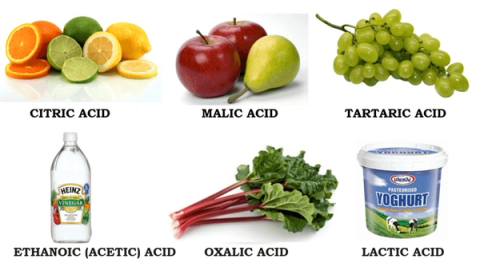
Acid content in food is an important indicator that affects product quality and safety.

From yogurt to butter and cheese, milk and dairy products are an essential part of the diet of many people
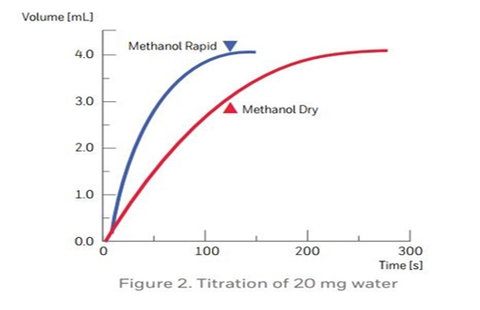
With the single-component volumetric titration method, the required solvent is selected according to the solubility characteristics of the sample being analyzed. The most commonly used solvent is methanol dry.

Reagents for the HYDRANAL Coulomat coulometric titration method
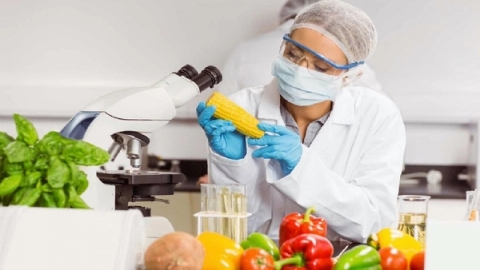
Food contaminated with microorganisms such as bacteria, yeast, mould or viruses can pose significant risks to consumers
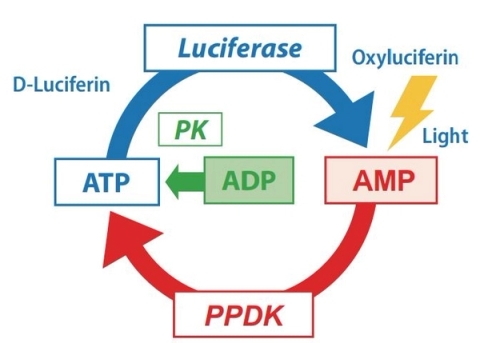
ATP energy (adenosine triphosphate) is a sugar molecule found in all living cells and serves as an indicator of cleaning effectiveness and overall surface hygiene.
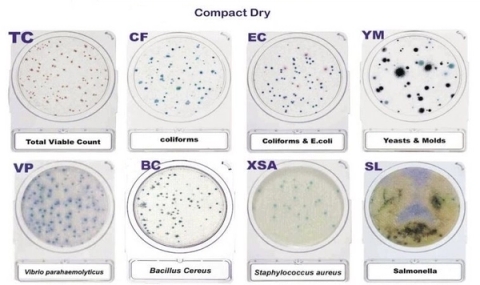
The freeze-dried agar pre-poured medium plate for rapid bacteria testing in food with the Compact Dry plate from Shimadzu (Nissui)

Coffee originates from Coffea, a plant of the Rubiaceae family, with the greatest diversity found in humid environments.

Quality management plays an important role in Karl Fischer titration.
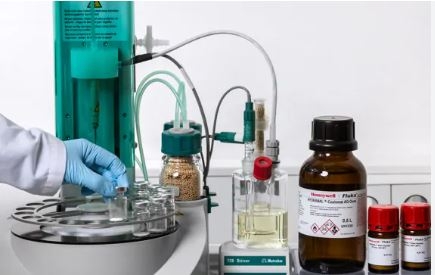
PacificLAB Scientific Equipment Co., Ltd. is the official distributor of Honeywell Fluka chemicals (the Hydranal product line) in Vietnam.
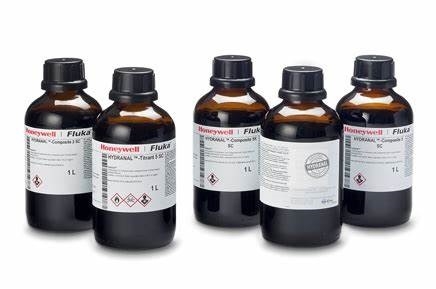
Hydranal Composite is the most frequently used pyridine-free Karl Fischer reagent in the world.
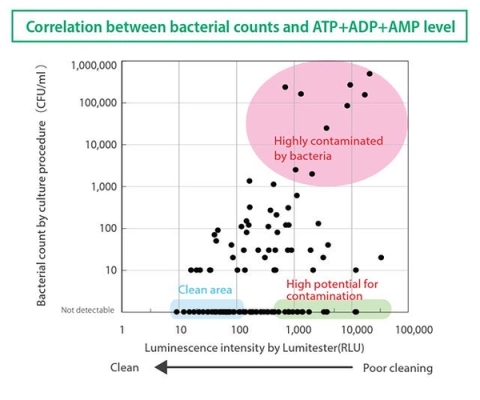
Do you know how microbiological testing differs from the ATP measurement method?
Water content can affect product quality, texture, shelf life, chemical stability and reactivity.
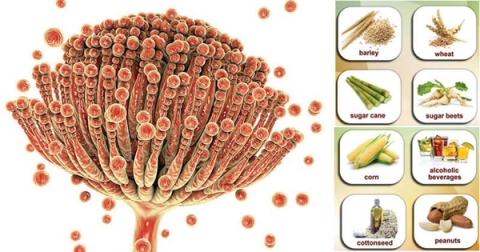
Mycotoxins are toxic metabolites produced by molds. They can cause serious acute and chronic effects on the health of humans and animals.

Mycotoxins are a major threat to agriculture. In developing countries alone, crops are often contaminated with mycotoxins – with dangerous consequences for the population. Modern technology can improve the situation for farmers and consumers.
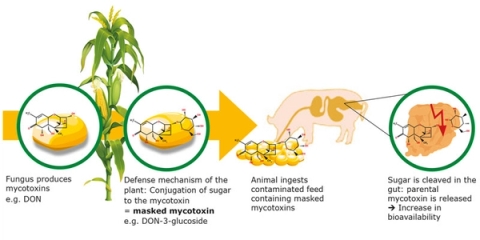
Mouldy bread is very easy for consumers to spot. But mould can grow in the fields and contaminate the harvest.

Spices are essential for food processing, but like cereals, spices are often contaminated with mycotoxins.
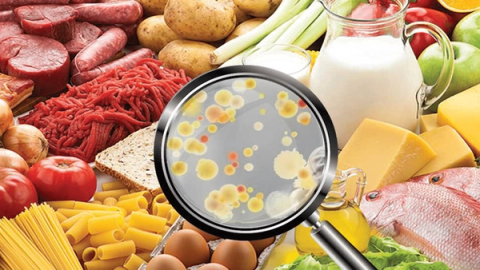
There are very many cases of poisoning or infection caused by microorganisms present in water, food, or cosmetics. Microbiological control is an unavoidable requirement not only for the product but also right in the food production and processing stage; pathogenic infectious microorganisms entering food through contact with equipment surfaces must also be controlled

Vibrio parahaemolyticus has purple colonies and is the top concern for shrimp farmers; it causes diseases: white spot, black spot, muscle cloudiness, luminous disease
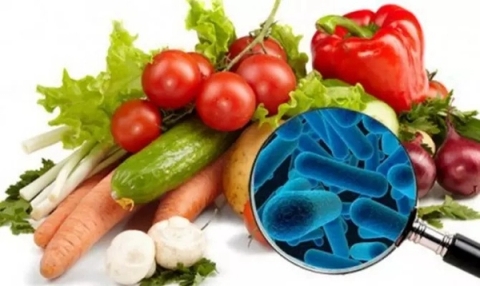
Listeria monocytogenes is often associated with the most serious outbreaks in terms of hospitalization and mortality. In 2021, Listeria outbreaks included fresh produce, processed meat, ready-to-eat chicken products and cheese.

The bacterium Pseudomonas aeruginosa is a common pathogen

Which Testing Method to Choose for Food Allergen Control?

Salmonella bacteria in food | Salmonella detection methods

Rapid quantification of yeast and mould using the Compact Dry YMR plate method according to Vietnamese standard TCVN 13876:2023

In microbiological testing we often refer to CFU units. So what is a CFU unit in microbiological testing? What is the formula for calculating CFU units?
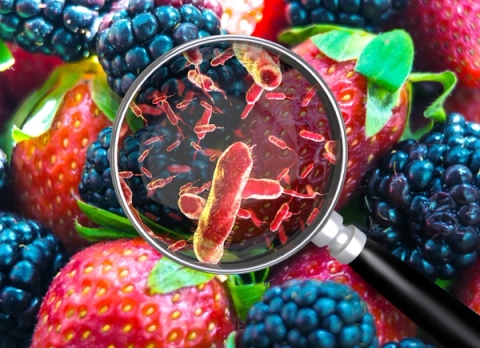
Bacillus cereus is a Gram-positive; rod-shaped; spore-forming; aerobic bacterium.

Microbial contamination during production can affect product quality, cause spoilage, and even poison consumers

Many cases of poisoning or infection are caused by microorganisms present in food. Microbiological control is an essential requirement not only for products but also during the production process, especially in industrial sugar production and processing

Many serious infectious organisms, such as typhoid fever, cholera, and dysentery, can be detected in contaminated water

Animal feed comes in many types from different origins. However, to meet state regulations and also ensure the safety of livestock, animal feed needs good microbiological control, helping protect livestock from pathogens caused by harmful bacteria

Aquatic products distributed to the market may fall into one of the following cases: aquatic products produced in areas contaminated by hazardous waste and toxic chemicals

Many cases of poisoning or infection are caused by microorganisms present in food, especially raw meat. Microbiological control is an essential requirement not only for the product but also during meat production and processing, where pathogenic microorganisms can be transferred into food through contact with equipment surfaces and the processing line.

Fruit and vegetables contaminated with microorganisms such as bacteria and insect eggs are unsafe foods for consumers

There are many cases of poisoning or infection caused by microorganisms present in food, especially snack cakes. Microbiological control is an inevitable requirement not only for the product but right in the snack cake production and processing process.

During raw material preparation, confectionery processing and product forming, contamination with microorganisms is unavoidable, and some types of intestinal pathogens and food poisoning seriously affect consumer health. Therefore, microbiological testing in confectionery must not exceed the permissible limits set out in QCVN 8-3:2012/BYT National Technical Regulation for microbiological contamination in food issued by the Ministry of Health

To produce milk for the market, products must be tested and declared in accordance with Decree 38/2012/NĐ-CP. In addition, testing of milk and dairy products must be carried out periodically 01 time/ year for products of facilities holding one of the certificates on advanced quality management systems: GMP, HACCP, ISO 22000 or equivalent & 02 times/year for products of facilities that have not been issued the above certificates

The current market has hundreds of domestic and imported beverages sold everywhere. However, in reality many beverages do not meet quality requirements; some even contain harmful substances, prohibited substances, do not ensure food safety, and affect consumer health
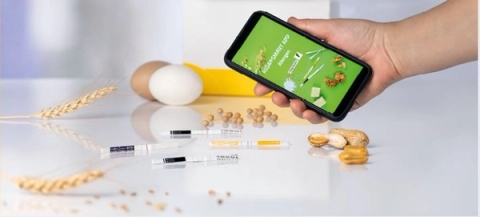
Lateral flow (LFD) allergen rapid tests are a great tool for food allergen testing and allergen management: fast, easy to use, ideal for on-site testing or hygiene monitoring, and no measuring device needed. But how do you document the results? We have developed a small helper: an app you can install on any Android smartphone to save and record your results, and that also lets you send or share this data online – RIDA®SMART APP Allergen.

Recently, the National Institute for Food Safety and Hygiene Testing held the Seminar on identifying the causes of food poisoning and preventing food poisoning on 28 November in Sapa.

Assessing the efficacy of surface cleaning methods is the first step in preventing risks in food quality management.

Histamine rapid tests play an important role in seafood quality control. Together with PacificLAB, let's look at some histamine rapid testing methods to find the method that suits your needs,
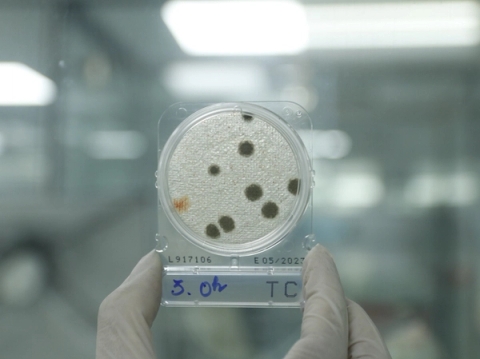
A culture plate is a plate containing a medium that provides the nutrients and minerals needed to support the growth of microorganisms in the laboratory.

Gold flake plum wine is a special plum wine from Kikkoman. It is made from fresh plums and has a bright golden color, with small gold flakes floating in the glass. Gold flake plum wine is aged for a long time to produce a richer flavor.

Kikkoman recently introduced the measurement method to schools and kitchens in Ho Chi Minh City on 7/1. Coming to the training session, more than 50 guests from various organizations experienced the actual ATP testing process
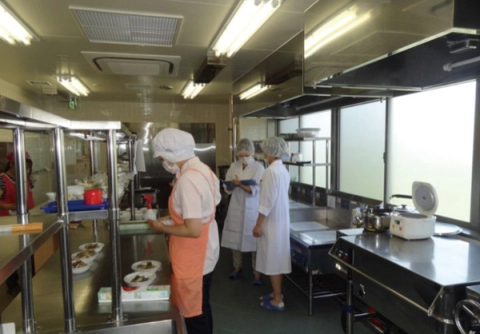
The Seirei welfare community has promoted hygiene management by using the ATP Swab Test (ATP testing). This translated article summarises how it is performed and the recorded results.

Meat is a complex matrix that makes antibiotic residues in meat very difficult to analyse. Therefore, new, fast, economical, reusable, selective and sensitive processes need to be studied for extracting antibiotic residues.
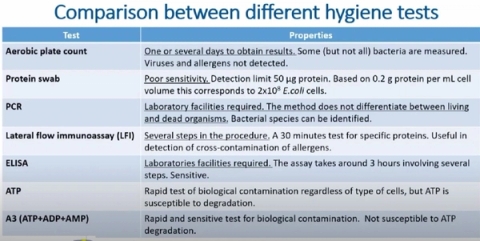
Hygiene testing methods such as: ATP measurement, swab test, PCR, ELISA, A3, traditional pour plating,... Each option has its advantages and disadvantages and
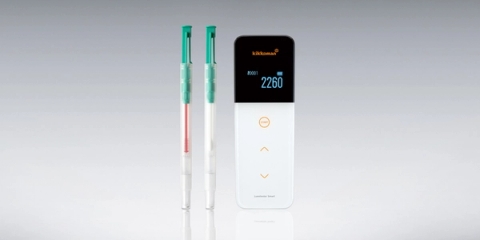
Lumitester Smart, LuciPac A3 Surface and LUciPac A3 Water from Kikkoman are GBAC STAR Certified Technology of ISSA

In the Howie Clean It program, Kikkoman's ATP measuring device - Lumitester Smart, has made evaluating and setting cleanliness standards simpler.
At what ATP value does a surface hygiene test pass? How do you set the pass / fail limit for an ATP+ADP+AMP test with Kikkoman's Lumitester Smart? Please refer to the webinar by Dr. Arne Lundin.
What ATP value means a surface hygiene test passes? How do you determine pass / fail for an ATP+ADP+AMP test with the Kikkoman Lumitester Smart? See the webinar by Dr. Arne Lundin.
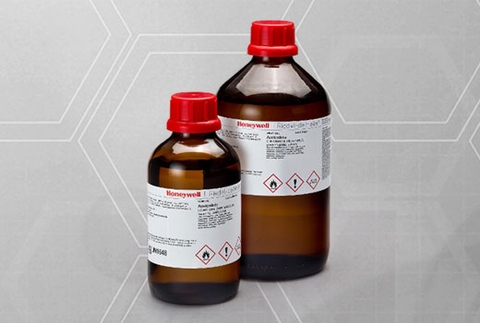
Acetonitrile and Methanol are 2 common solvents in liquid chromatography. Besides the difference in polarity, there is also the hole energy. What are the differences you need to note when choosing between these 2 analytical solvents. Explore together with PacificLAB through this article!

The airline Japan Airlines is tightening its hygiene inspection, aircraft cleaning and related services. The airline's staff are equipped with the Lumitester Smart surface microbiological testing device from Kikkoman. Please watch the video below
Solvents, chemicals and reagents play an important role in production, analysis, laboratories,… In order to ensure the requirements and purposes of products, results, experiments…, the choice of these solvents, chemicals and reagents has to meet many criteria. We invite you to join PacificLAB to find out more in this article.

Is the ATP measurement for surface hygiene accurate? A comparison between the A3 measurement and conventional ATP testing. How good is Kikkoman's ATP measurement?

On February 9, 2022 at 3 p.m. GST, NewFood Magazine will host a webinar on its website. Speakers: Dr. Arne Lundin and Dr. Mikio Bakke. They will talk about what is unique about the Kikkoman A3 ATP Test!
A culture medium is a mixture of the necessary nutrients and substances that play an important role in the microorganisms' intracellular metabolism, maintaining the redox state, the osmotic pressure of the cell, and the pH stability of the medium.
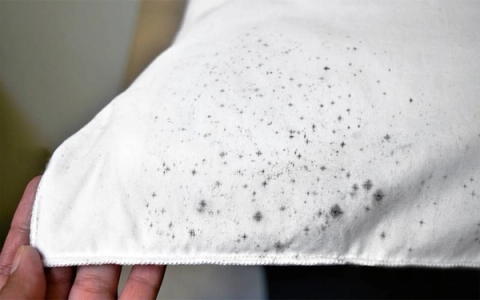
Unpredictable sunny and rainy weather makes your clothes easily moldy, losing their good looks and giving off an unpleasant smell. You are racking your brain for a solution — don't worry, right now we will reveal some household tips for removing mold from clothes.

PCR is a technique widely used in the field of biotechnology. It brought the 1993 Nobel Prize in Chemistry to its inventor, Kary Banks Mullis. After more than 30 years of formation and development, PCR is now widely applied in many fields such as biology, medicine, forensics, and blood relationship determination. Recently, PCR has become widely known through its use in testing for the SARS-CoV-2 virus. Let's learn more about the PCR technique through this article.
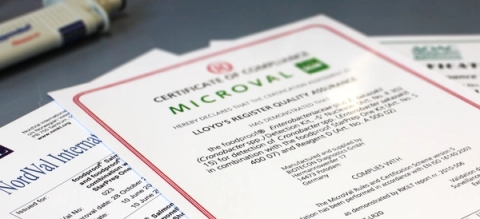
MicroVal is an international certification organisation for the validation and certification of alternative methods for testing microorganisms in food. Nissui Compact Dry plates are MicroVal certified, gradually becoming a reference method accepted by governments and laboratories worldwide

Scientists from Aston University found over 90% of makeup and cosmetics to be contaminated with bacteria. The bacteria detected include dangerous strains such as E. coli and Staphylococci. Contaminated cosmetics are concentrated in mascara, lip gloss and makeup tools.
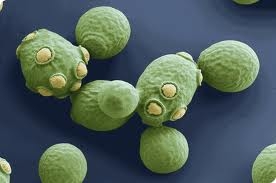
Do you think you can scrape off the mouldy part and keep using the food? Do you think that chilling is enough to stop mould growing, so your food is safe? Do you think testing for yeasts and moulds takes a lot of time?

How are molds and yeasts different? Molds are more common, with a filamentous shape and more varied colors. Yeasts are mainly spherical, round in shape, with fewer species. The harmful effects and the roles of yeasts and molds in daily life are also presented in more detail in the article.

In this part, the regulations and quality testing methods for mooncakes are presented in more detail, giving businesses and manufacturers more information to manage mooncake quality.

The issues of nutrition and quality of mooncakes now on the market are presented in part 1. In part 2, the regulations and meth
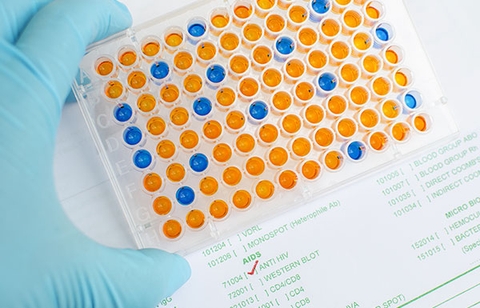
ELISA is a simple detection method that is cost-effective and quite popular on the market today. There are many types of ELISA kits and many different kit manufacturers. So how do you choose the right supplier that fits your needs?
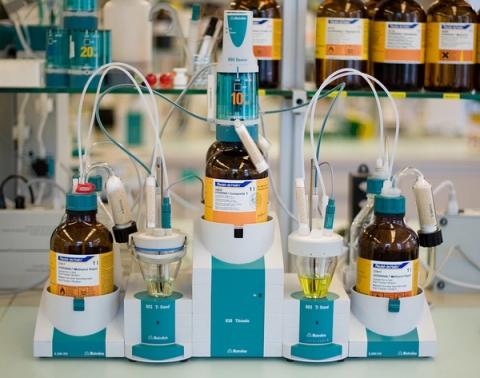
Moisture determination is an important quality control parameter in pharmaceutical manufacturing, from incoming raw material testing and in-process control to the quality testing of finished products.

Karl Fischer is an electrochemical titration method used to determine water content in liquid and solid samples. The Karl Fischer method is suitable both for samples with high moisture content (%) (titration-volumetric) and samples with low content (ppm) (coulometric).
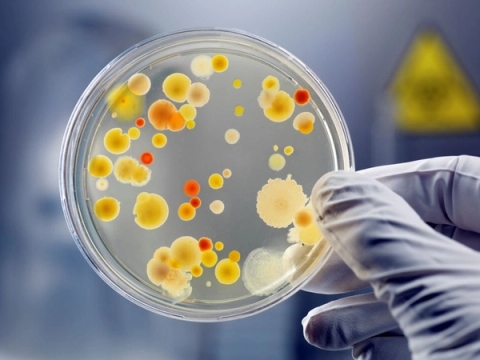
A colony of a bacterial species is defined as a cluster, visible to the naked eye, of the biomass of those bacteria when they grow on the surface of a solid substrate. There are two colony counting methods: manual and automated.

The Delta and Delta Plus variants are among the SARS-CoV-2 virus variants that are threatening the covid 19 control efforts of many countries around the world. The SARS-CoV-2 virus keeps mutating to produce new variants at an alarming rate of transmission, causing the number of cases and deaths to soar.
The A3 test shows higher detection sensitivity than the conventional ATP test for diluted blood samples and glove samples from healthcare facilities. The study by M. BAKKE and colleagues used the LuciPac A3 Surface/Lumitester PD-30 ATP measuring instrument (Kikkoman Biochemifa, Tokyo , Japan)
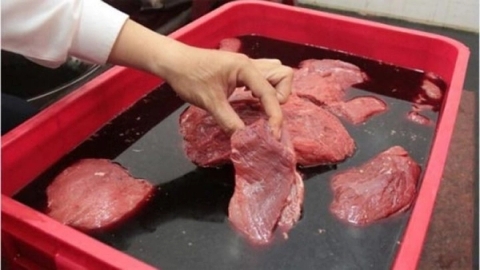
Your meal may not be what is stated on the label. Especially for minced meat, sausages, processed foods and animal feed, it is not always stated which animal the product originates from. Low-quality fake beef can be made by mixing with cheaper pork.
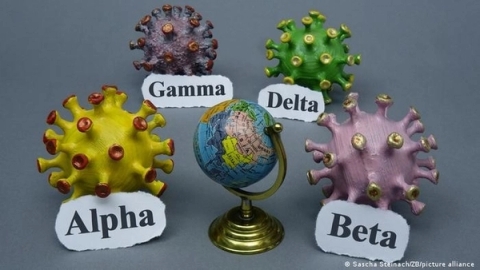
Variants of the SARS-CoV-2 virus may affect: how easily the disease spreads, the severity of the associated disease, the performance of vaccines, therapeutics, diagnostic tools or other public health and social measures in the campaign against the Covid 19 pandemic.

Better surface microbiological control with the hygiene monitoring system: Lumitester ATP meter + Lucipac A3.
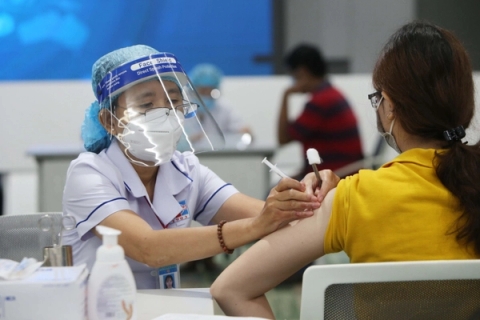
Following P.1 on "the production process of vaccines (vaccines) in general and Covid-19 vaccines in particular". P.2 covers the clinical trial and approval stages

The production process of vaccines in general and Covid 19 vaccines in particular. At the current stage, what is special about the shortened process? This article provides more information about an important step that helps ensure the safety of a vaccine preparation.
With breakthrough chemistry, the Lumipac A3 test strip measures ATP, ADP and AMP for better sensitivity than conventional surface hygiene testing products.

Method validation and verification of microbiological test methods, and how they differ. What do you need to do for a new method to become a standard method?

A talk by Roy Betts about MicroVal - the organisation that helps companies and businesses validate test methods accurately, quickly and to standard.

The Corona virus has no cellular structure and technically does not contain ATP. Therefore, the A3 Hygiene system hygiene monitoring system does not detect viruses.
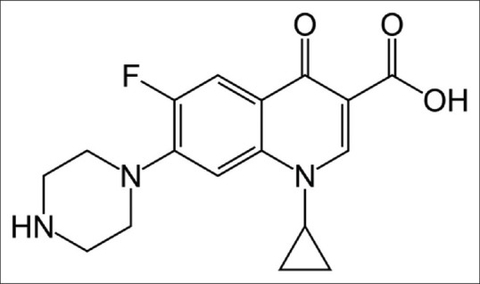
Methods for determining fluoroquinolones - a class of antibiotics widely used in veterinary medicine to treat cattle, pigs and poultry.
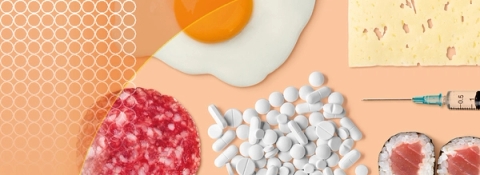
Methods for treating antibiotic residues in water: Use of adsorbent materials; oxidation, membranes, degradation

For the ELISA technique, a low coefficient of variation (CV) indicates a good assay with highly accurate results.

Pros and cons of competitive - indirect - direct - sandwich ELISA techniques. Choosing the right rapid Elisa test kit for the sample matrix and testing purpose.
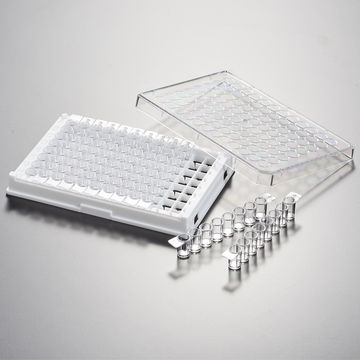
ELISA technique (Enzyme-Linked Immunosorbent Assay), detecting the presence of antibodies or antigens in a sample through a specific immunological biochemical reaction.
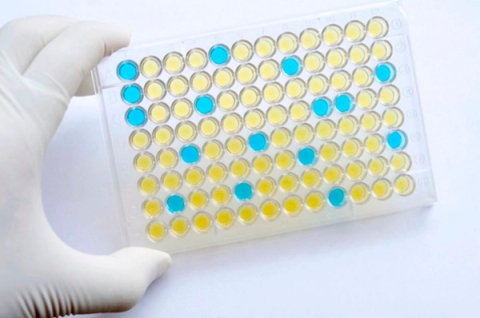
The ELISA test is a currently popular rapid method for testing components, residues and toxins. See 10 notes to make your ELISA test results more accurate.

1. What is the bactLAB software from Nissui?

From primary production to the final product, many steps need to be controlled and monitored to obtain high-quality and safe products. R-Biopharm test kits can be applied throughout the entire production chain: from intermediate ingredients to the final product, from goods inspection to hygiene monitoring and finally product analysis for accurate labelling. Our range of test formats can be used to analyse: • Milk and milk powder • Cheese • Yoghurt • And many other dairy products.

When detecting mycotoxins in food, speed is a decisive factor. What matters is that the analysis can be carried out on site in the shortest possible time. There is now a new solution, new technology for mycotoxin analysis: an app on a smartphone. We will show you what it is all about and how it differs from immunochromatography technology (Lateral Flow readers).

HISTAMINE IS A BIOLOGIC AMIN WITH THE CHEMICAL FORMULA C5H9N3. IT IS HYGROSCOPIC, TOLERATES HIGH TEMPERATURES WITHOUT BEING DESTROYED AND IS INVOLVED IN THE LOCAL IMMUNE SYSTEM AS WELL AS IN MAINTAINING THE PHYSIOLOGICAL FUNCTION OF THE INTESTINE AND ACTS AS A NEUROTRANSMITTER.
If you have histamine intolerance, you have to avoid many types of food. Histamine is present in many products, from eggs and cheese to meat and fish. If you do not want to give up eating fish, this is how you can enjoy your meals without regret.
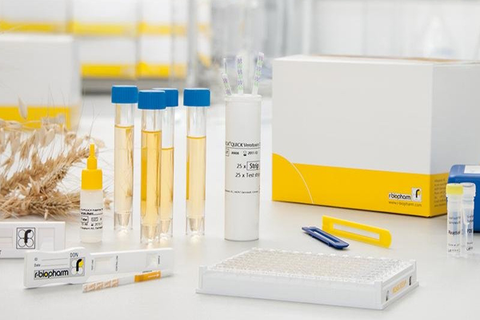
Nowadays, the market offers many test kits for antibiotic testing, allergen testing, mycotoxin testing, microbiological testing,... So the question is, why should customers choose R-Biopharm Test Kits?
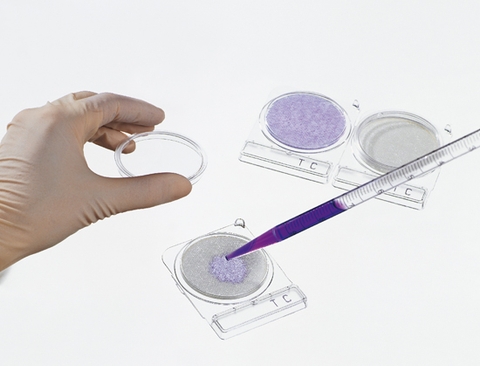
Compact Dry is a convenient bacterial testing method that has attracted a great deal of attention. The plates help test for bacteria in food, drinking water, meat, cosmetics…

Fluka Chemicals - The ideal chemical solution for standards in analysis

From gluten-free to lactose-free, nut-free, egg-free and low-histamine: the market for “free from” food is growing. But can you trust the information on the label? This has been investigated in several recent studies.

The use of the broad-spectrum antibiotic Chloramphenicol (CAP) is totally banned world-wide since many years. As an alternative substance, Florfenicol is widely used, mainly in veterinary medicine. For this less toxic antibiotic Maximum Residue Levels (MRLs) are established by the European Union, varying from 100 to 3000 ppb, depending on the matrix.

For anyone who suffers from celiac disease or gluten sensitivity, beer has long been off-limits. Fortunately, this has changed in recent years and celiacs now have access to an increasingly broad range of gluten-free beer that tastes just as good as normal beer. However, manufacture is very complex. We have compiled the biggest challenges for breweries – and how to overcome them.

More and more people suffer from lactose intolerance. This leads to an increased demand for lactose-free foods. Here’s what food producers should know about lactose-free milk, legal regulations and the measurement of lactose content.

The unhygienic sandwich stalls sold widely on the street hide many dangers for us! Specifically, these dangers come from food safety and hygiene issues. Let's clarify them together with PacificLAB.
Common practices that turn salmon into something that "attacks" the body.
Vegetables and root vegetables left too long can sprout and produce many toxins that are dangerous to the body!
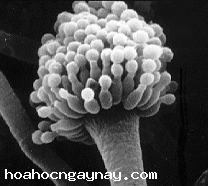
Of the 200,000 different mold species, about 50 are harmful to humans and animals. These can be divided into two groups: the disease-causing group and the poisoning group.

Watermelon doesn't just beautify, it also treats ailments very effectively! Watermelon helps treat some common conditions and has health benefits such as:



