
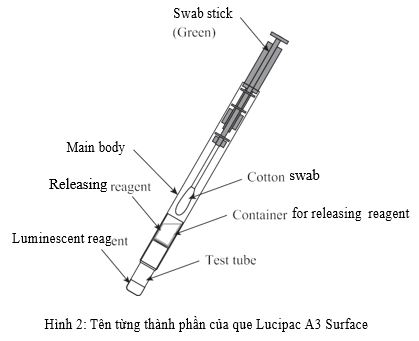
- From September 2023, the holder and casing of the LuciPac ATP swab range (fossil fuel-based polypropylene) will be replaced with bio-based polypropylene.
- The bio-based polypropylene applied uses the mass balance method and is ISCC-PLUS certified. The certification mark is shown on the product label attached to the outer polyethylene bag rather than printed on the aluminium bag. The technical specifications of the Lucipac ATP swabs will remain unchanged.

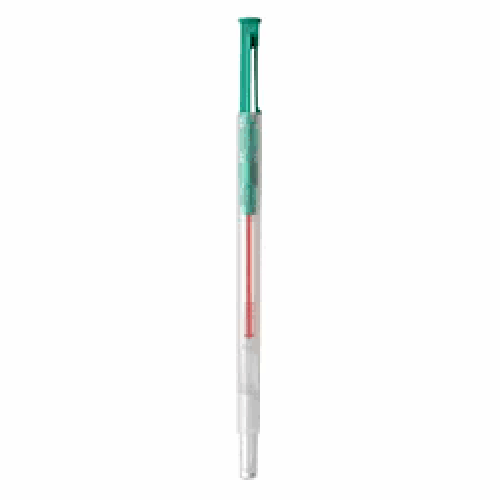
- The following announcement is now available: “100% renewable resource bio-based polypropylene applied to the LuciPac ATP swab range. | Kikkoman biochemicals”
- *To look it up in the ISCC License Database, enter “LuciPac” in the Find Logo – ISCC System search box (iscc-system.org).
ISCC works towards a sustainable world
The mission of ISCC is to use certification as a tool to reduce GHG emissions and to establish sustainable production activities with a supply chain that is fully traceable from the source to the end user. This is achieved by applying social, economic and environmental criteria.
We believe that a sustainable supply chain is very important in countering the most severe impacts of the climate crisis. Since greenhouse gas (GHG) emissions are the main driver of climate change, we also consider identifying and reducing greenhouse gas emissions an important part of our work.
Our vision is to create a world without deforestation, a truly circular economy and a sustainable bioeconomy that minimises waste production. Sustainable agriculture that protects highly biodiverse and high-carbon land, as well as respects human, labour and land rights, contributes to realising this vision. By doing so, we aim to develop a resilient economic system and to mitigate climate change.
ISCC goals
- Zero deforestation
- Protect land with high biodiversity value and high carbon stocks,
- Protect soil, water and air
- Respect human, labour and land rights
- Measure and reduce greenhouse gas emissions
- Traceability throughout the supply chain